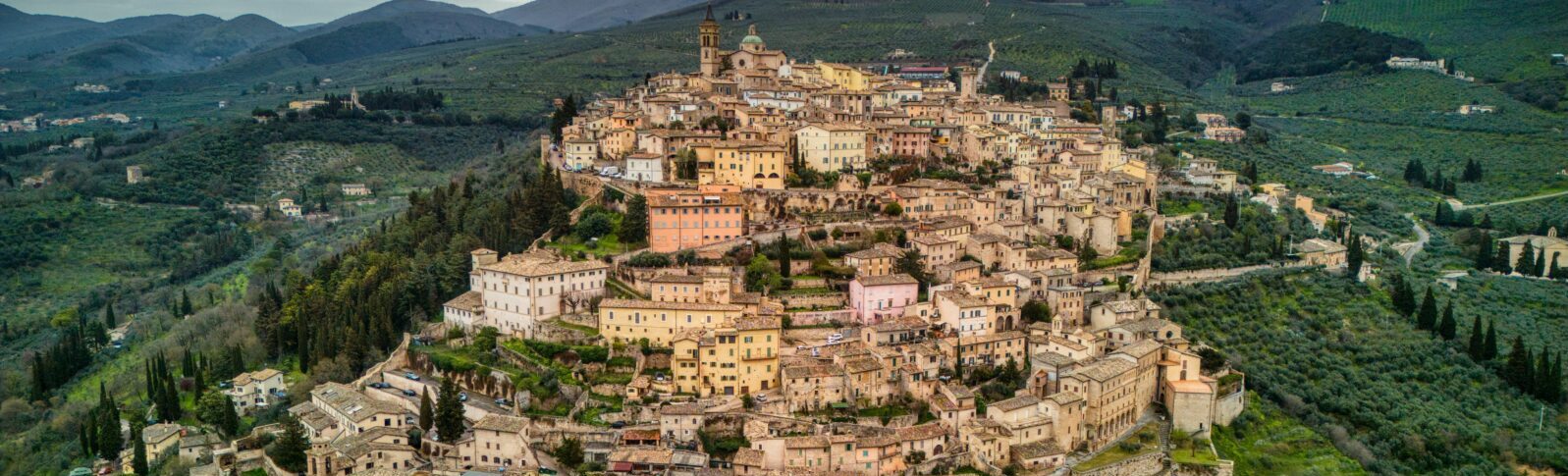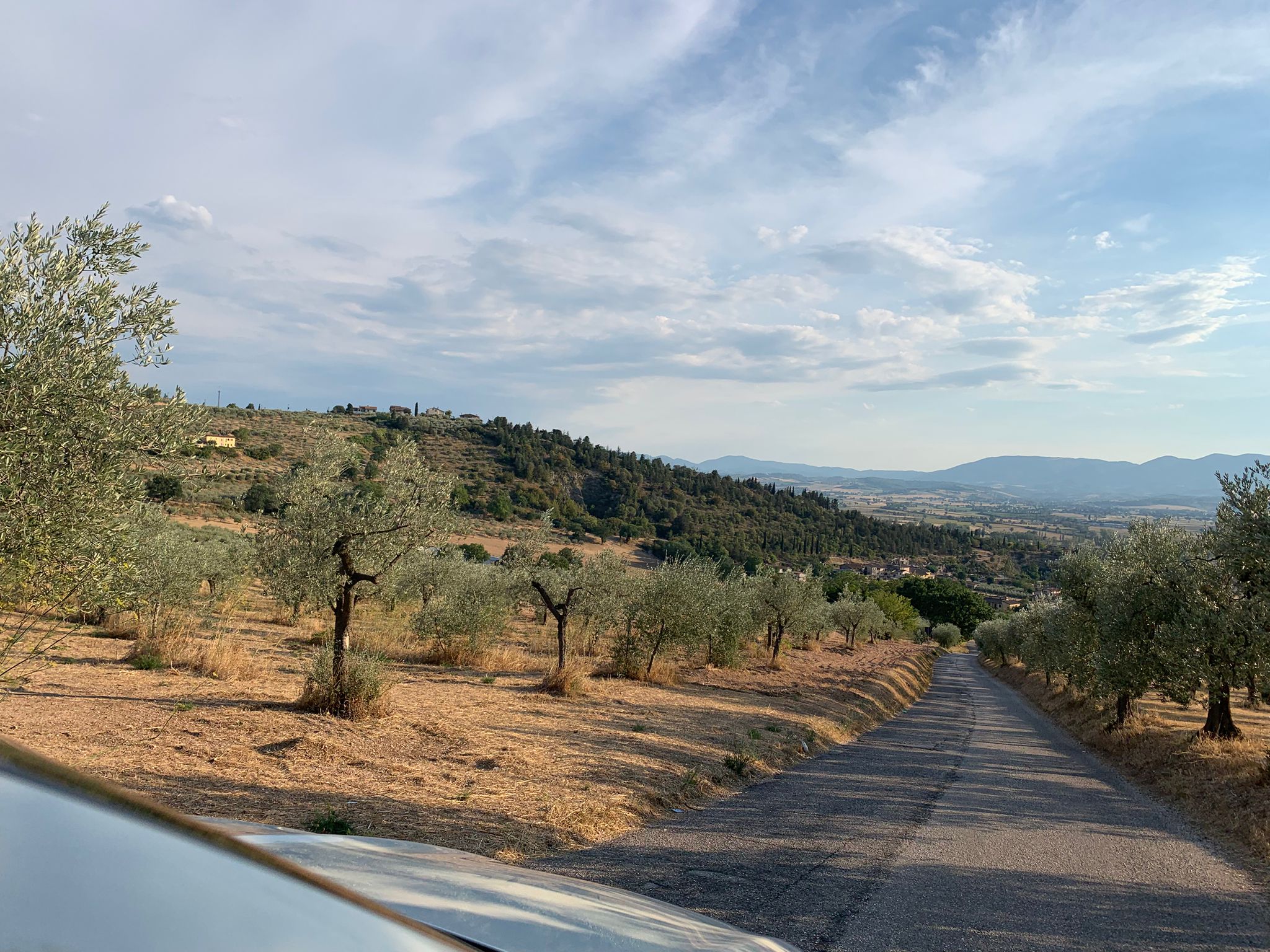
Casa Romana and Spoleto

Discover Casa Romana in Spoleto:
A Hidden Gem Near Your Dream Tennis Getaway

“Spoleto is the most beautiful discovery I made in Italy […], there is such a wealth of beauty almost unknown, mountains, valleys, forests of oaks, monasteries, waterfalls!”
— Hermann Hesse (1911)

Introduction to Spoleto: The Jewel of Umbria

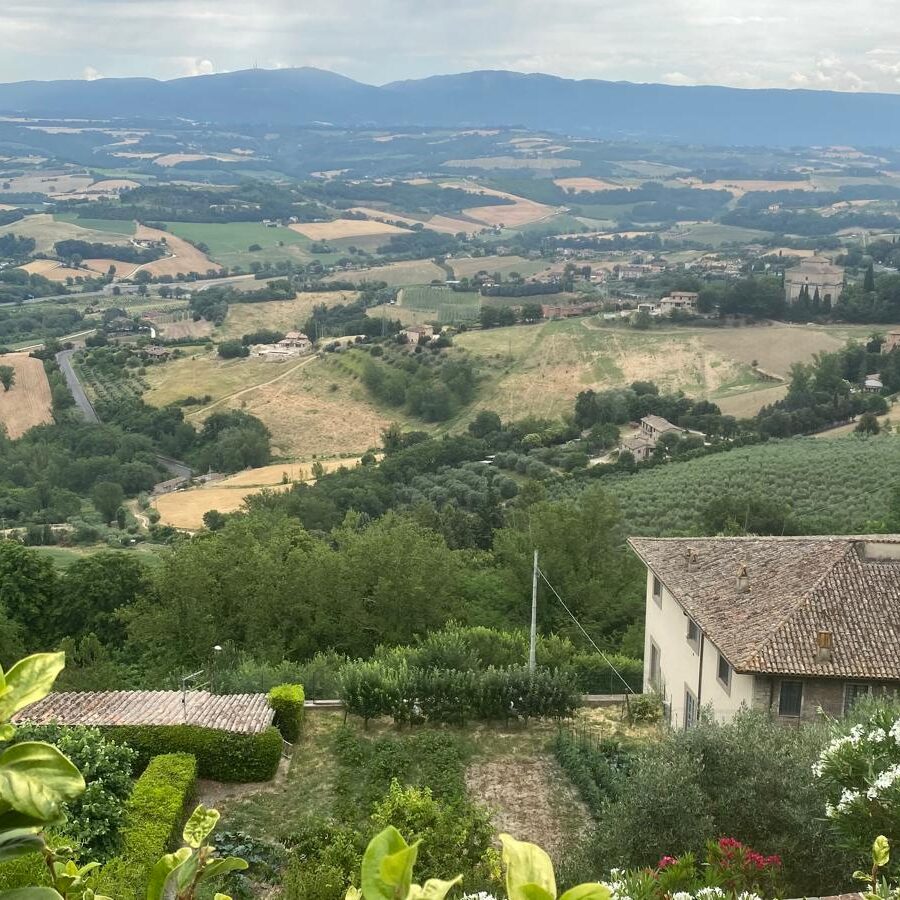
Nestled in the verdant hills of Umbria, the charming town of Spoleto is a captivating blend of culture, history, and scenic beauty. Known for its annual Festival dei Due Mondi and Roman-era landmarks, Spoleto draws curious travelers and history lovers alike. But there’s more to this tranquil town—Spoleto also offers a rare experience: the ability to immerse yourself in ancient heritage while enjoying the serenity of a modern tennis retreat.

Whether you’re planning a sporty escape or a cultural journey, Spoleto, with its inviting ambiance and world-class sights like the Casa Romana, promises the perfect Italian getaway.

What is the Casa Romana in Spoleto?

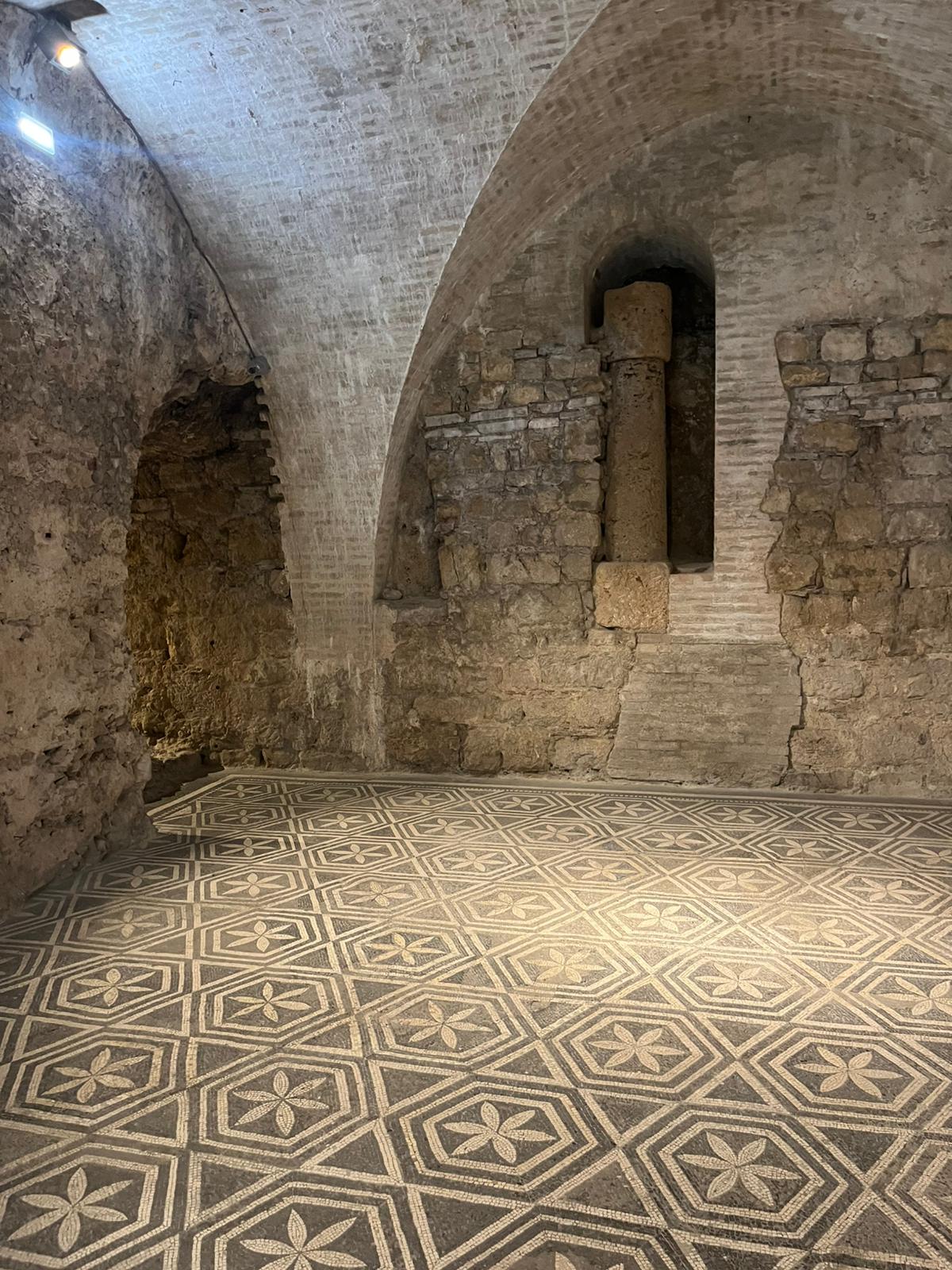
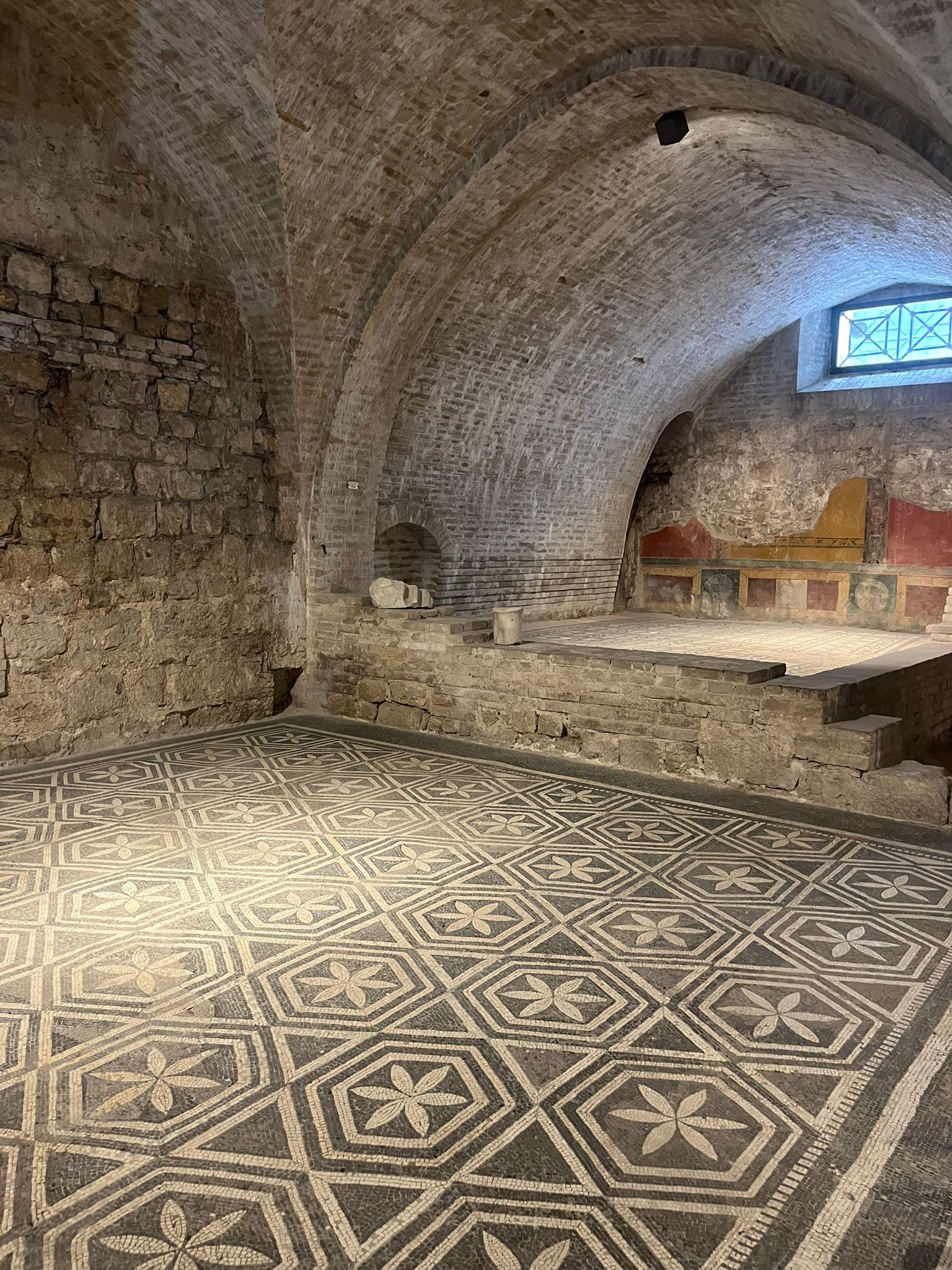
The Casa Romana (Roman House) in Spoleto is a fascinating window into Roman aristocratic life from the 1st century AD. It is believed to have belonged to Vespasia Polla, the mother of Emperor Vespasian. The layout and decorative elements of the villa reflect wealth, status, and a deep connection to Roman artistic tradition.

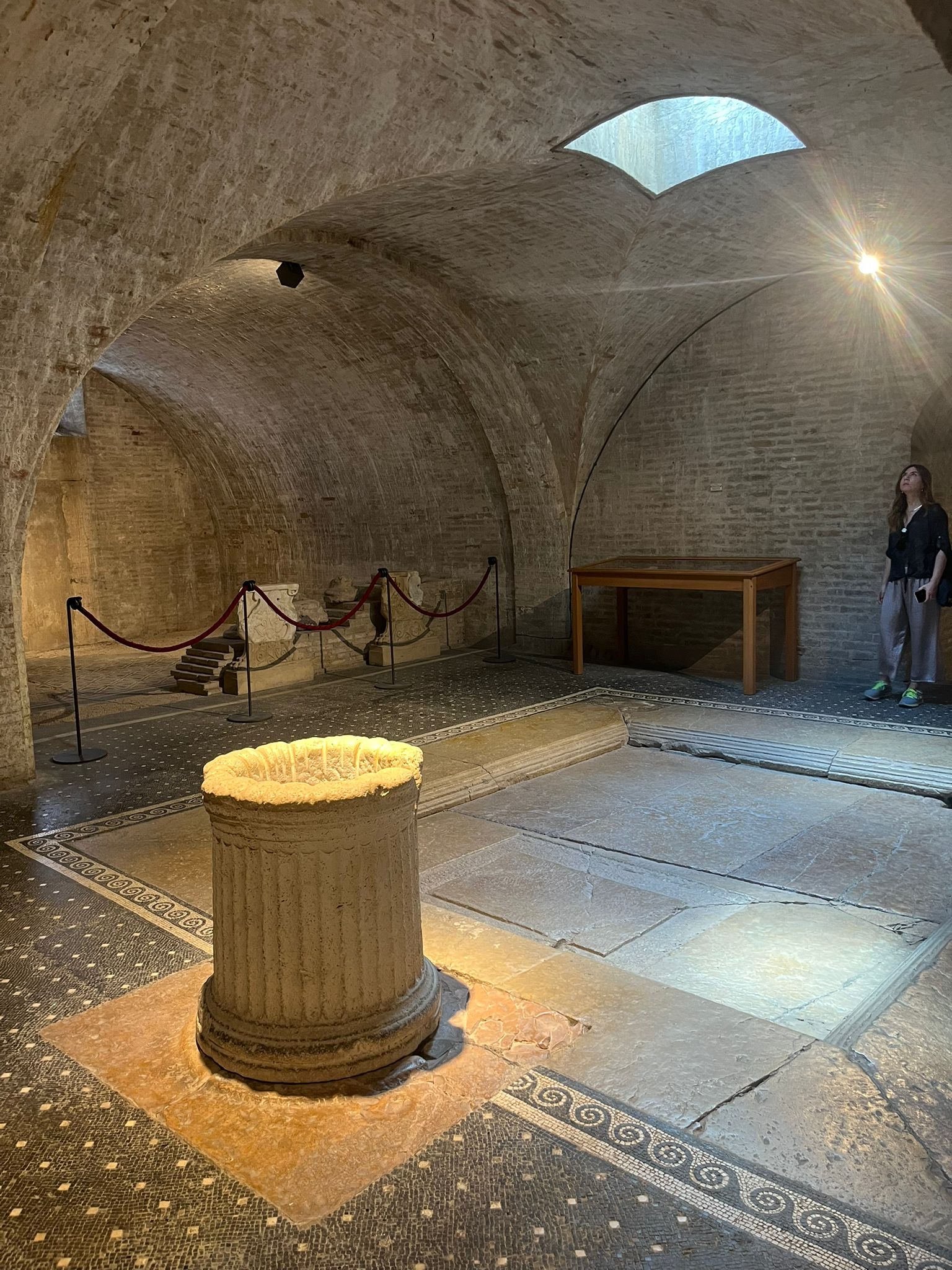
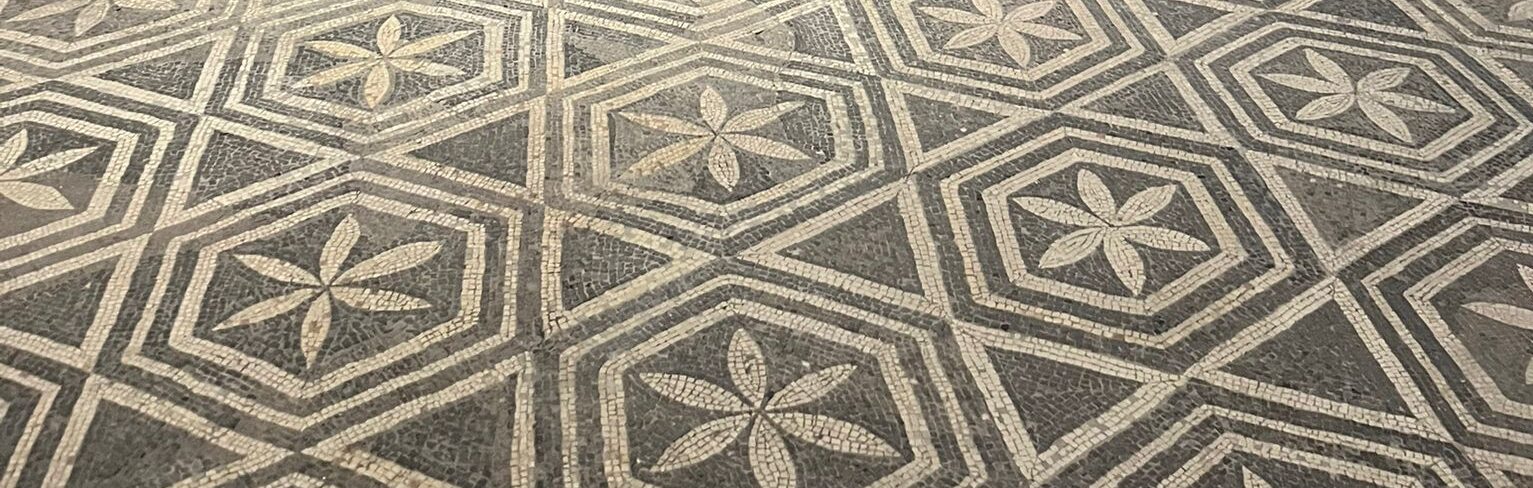
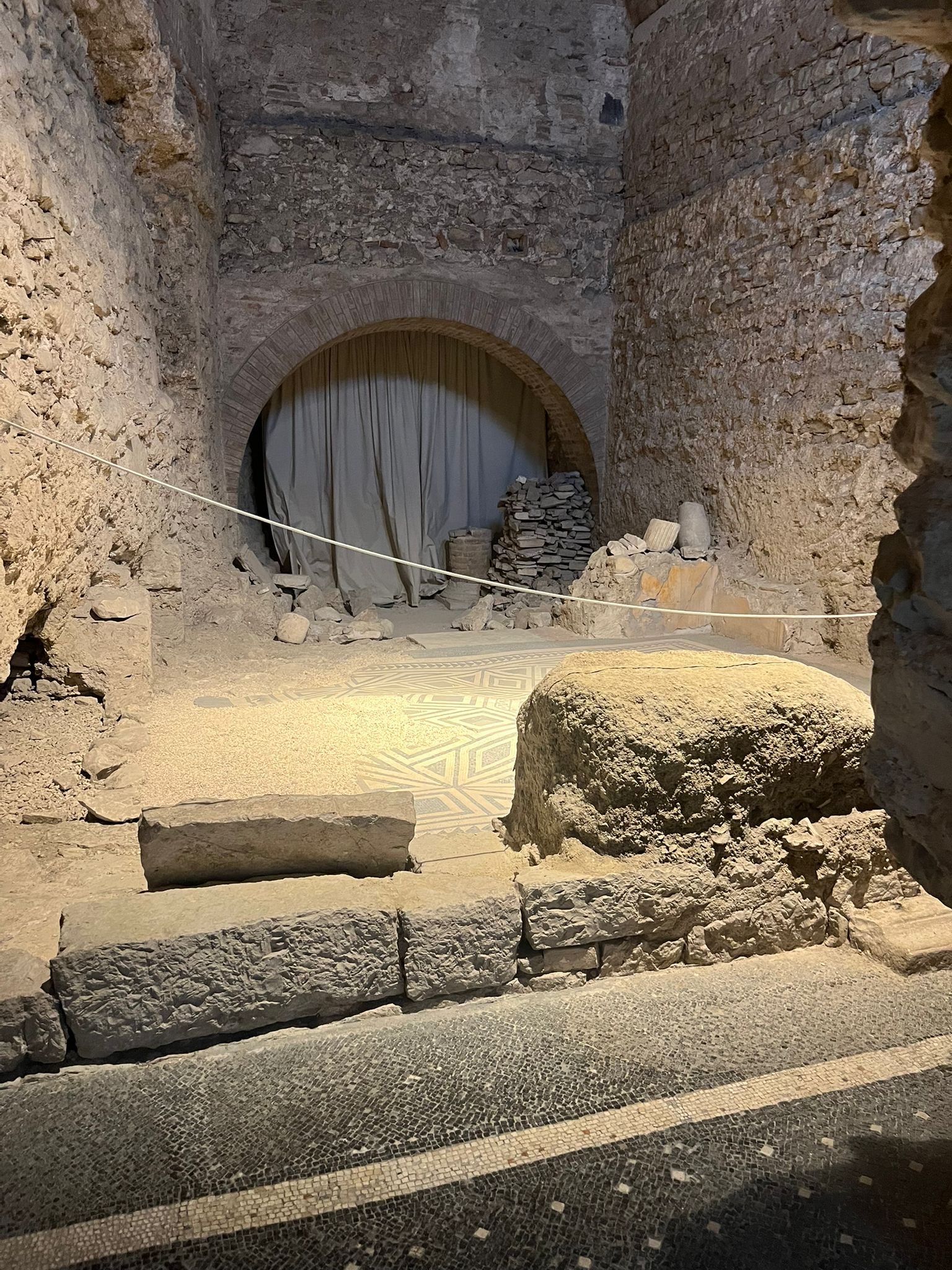
With its classical atrium, peristyle courtyard, and elegant mosaic floors, the Casa Romana stands as a testament to Roman architectural sophistication. The intricate designs and preserved layout give visitors a sense of how Roman elites once lived, dined, and entertained guests.

Historical Context and Timeline

During the early Roman Empire, Spoleto was a strategic location due to its elevation and accessibility. Casa Romana formed part of a broader urban network, strategically placed near temples and civic buildings. The villa showcases how Roman engineering and design adapted to the town’s natural contours.

Casa Romana was rediscovered in the late 19th century during archaeological excavations. Subsequent restoration efforts have carefully preserved its structure and artwork, making it a living museum of ancient Roman domestic life

Why Tourists Love Visiting Casa Romana

While there are no regular guided tours available, Casa Romana provides informative signs and displays throughout the site, helping visitors to understand the layout and historical significance of each area. This self-guided format allows for a flexible and personal exploration.
Where is Casa Romana Located?

From our private tennis property, Casa Romana can be reached by car in just about 2 minutes. Guests can park at the convenient city parking area and then enjoy a pleasant 10-minute walk into the heart of the old city center where Casa Romana is located.

Casa Romana and Your Tennis Retreat

Imagine starting your day with a match on our recreational-use tennis court, featuring a durable Mapei hard surface. It offers a great setting for both casual play and staying active during your holiday.

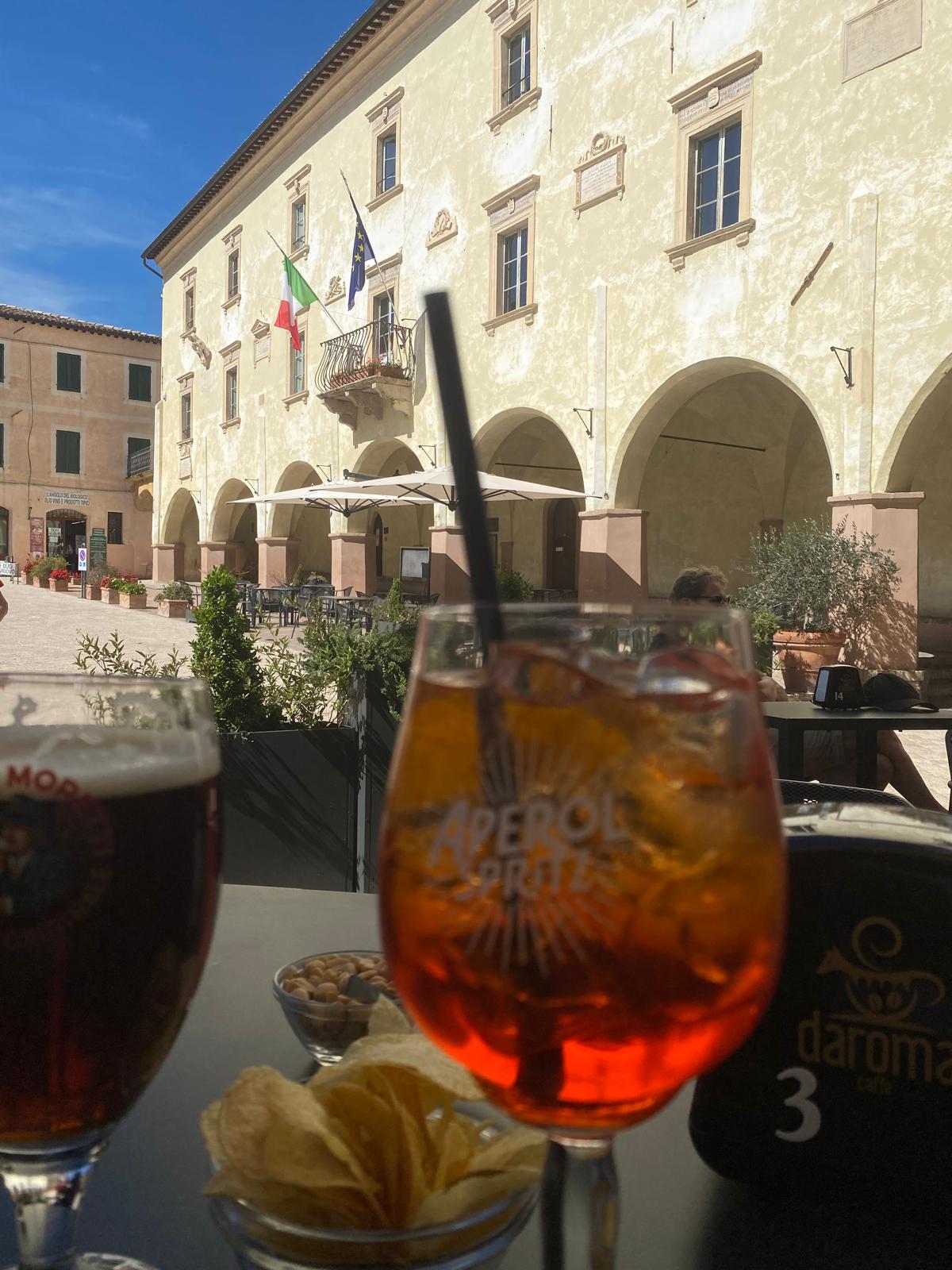
A perfect day in Spoleto might start with an energizing tennis session on our hard court, followed by a leisurely lunch featuring local Umbrian flavors. In the afternoon, take a step back in time with a captivating visit to the ancient Casa Romana. As the sun sets, enjoy an unforgettable aperitivo on the Gattapone terrace, where panoramic views of the 13th-century Ponte delle Torri—Spoleto’s iconic medieval aqueduct—complete a truly memorable day immersed in history, sport, and Italian charm.

Spoleto’s Other Hidden Treasures

Further uphill, the imposing Albornozian Fortress of Spoleto and its companion, the majestic Ponte delle Torri bridge, dominate the landscape. The Ponte delle Torri is a striking 13th-century aqueduct that once carried water from the Monteluco forest to the fortress and the town of Spoleto. This ancient structure not only showcases medieval engineering prowess but also offers one of the most iconic panoramic walks in Umbria. It’s a must-see destination for those exploring Spoleto’s historical wonders.

Best Time to Visit Casa Romana and Spoleto

Spring (April to June) and early fall (September to October) are ideal times to visit. The weather is mild, the crowds are light, and the scenery is at its most breathtaking.

How to Plan Your Trip Around Sports and Culture

Coordinate your visit with Spoleto’s cultural calendar, especially the Festival dei Due Mondi. Book tennis sessions in the morning and plan museum or landmark visits in the cooler afternoon hours. Local restaurants also offer Roman-inspired menus to complete your themed day.

Tennis Court Rental Details at the Property

Our private tennis court features a Mapei hard surface designed for recreational use. It includes racquet rentals, shaded seating, shower towels and evening lighting. Guests can reserve hourly or daily slots online, ensuring flexibility and convenience.

Frequently Asked Questions

Yes, especially with a guided tour that brings the past to life.
Typically 20-30 minutes, making it a perfect short cultural stop.
Generally, pets are not allowed inside historical sites, but check locally for exceptions or nearby pet care options.
Comfortable shoes and casual attire are recommended, as some areas have stone flooring and stairs.

Conclusion: A Perfect Blend of Culture, Comfort, and Sport

Casa Romana in Spoleto is more than a historical site—it’s a portal into a grander, slower-paced way of life. When paired with the rejuvenating joys of a tennis holiday at our private property, your trip becomes truly unforgettable. Whether you’re a history buff, a sports enthusiast, or a leisure traveler looking for a unique experience, Spoleto offers the perfect Italian escape. We invite you to discover its magic—on and off the court.

Practical Visitor Info and Nearby Attractions

Entrance to the Casa Romana is affordably priced at just €5, and it’s open daily from 10:30 AM to 6:30 PM—without a lunchtime closure. Still, we always recommend checking the current schedule before your visit, as hours may occasionally vary. Since the tour typically takes under an hour, it’s the perfect cultural stop to begin your day. Afterward, you can easily explore other iconic landmarks nearby such as the majestic Ponte delle Torri and the historic Rocca Albornoziana. Casa Romana offers a rich, yet time-efficient glimpse into Roman history, ideal for a day full of sightseeing in Spoleto.

You might also like: Discover the fascinating underground secrets of Orvieto. Read more →

Stay Connected

For more updates, photos, and stories from Adagio Umbro, follow us on our social media channels:
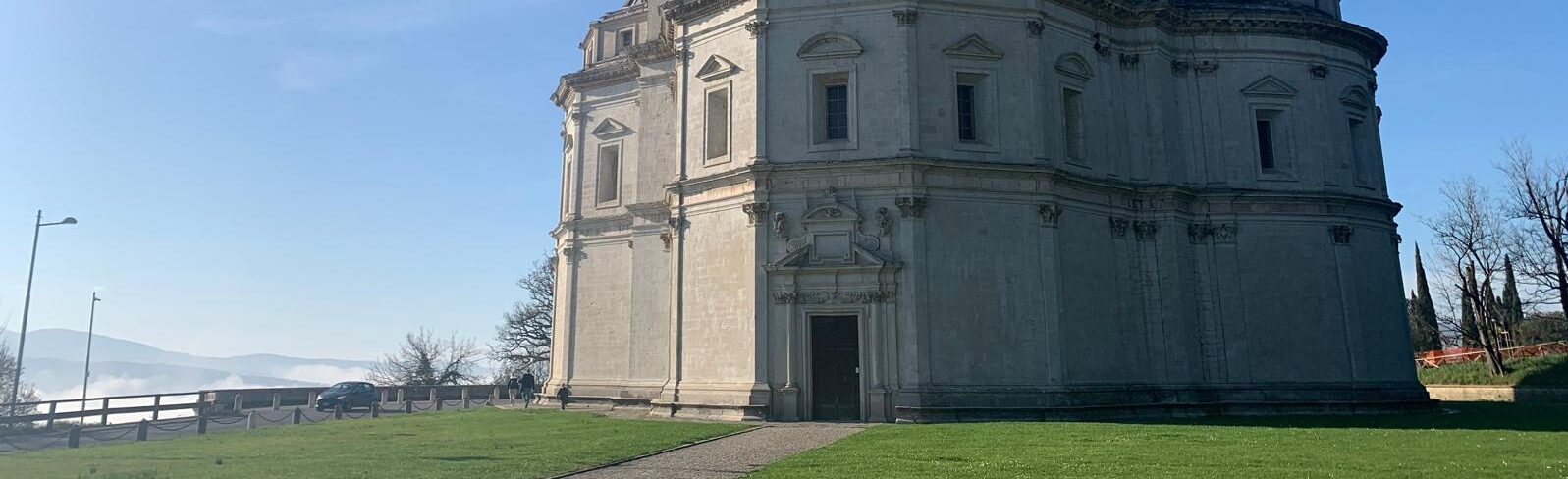
Exploring the Roman Cisterns of Todi:
An Underground Journey into Ancient Umbria

Looking for what to see in Umbria in one day? Discover the Roman cisterns of Todi, a hidden underground gem, and explore nearby Spoleto for a complete Umbrian experience.

Todi in One Day: Discover Ancient Cisterns and Umbrian Charm

Welcome to Todi, a jewel in the heart of Umbria, where history flows not only through its cobbled streets but also beneath them. Ideal for those wondering what to see in Umbria or how to explore Todi in one day, this article offers an immersive itinerary that pairs well with a visit to Spoleto — allowing you to experience two stunning Umbrian sites in one unforgettable day.

?️ A Morning in Todi: Roman Cisterns and Underground Marvels

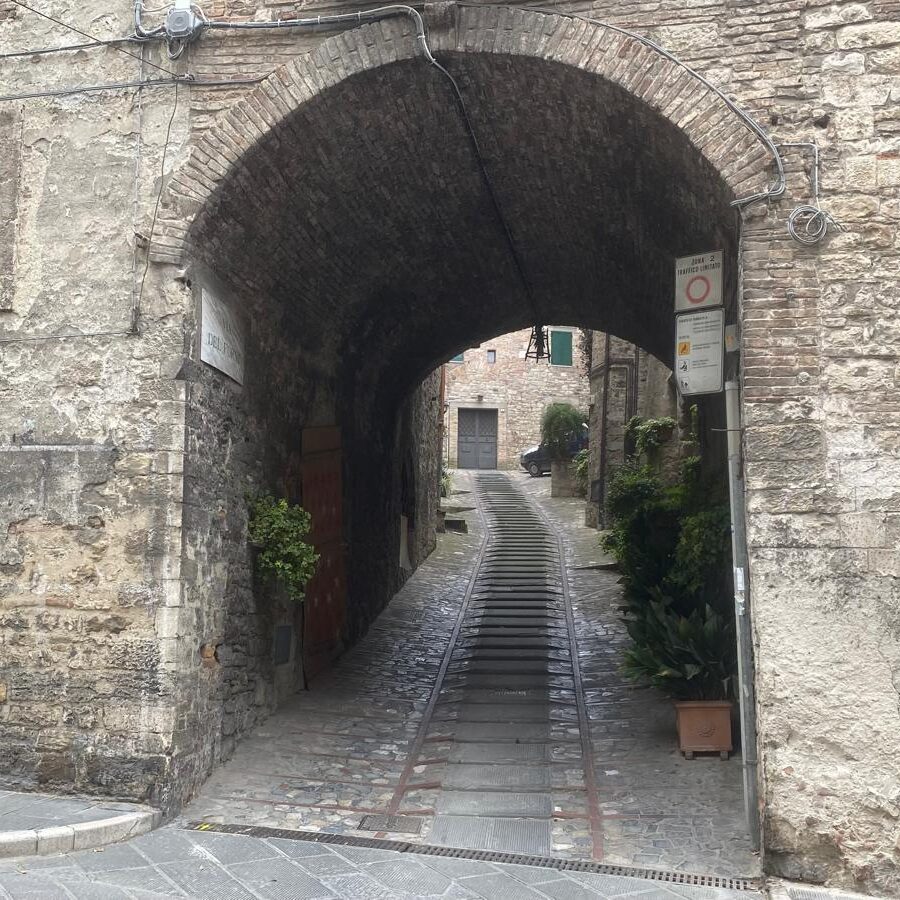
Start your day early in Todi, parking comfortably and for free just outside the town’s historic center near Porta Orvietana. This spot is ideal, as the entrance to the upper part of the town is regulated by ZTL (limited traffic zones), but a convenient lift takes you right into the heart of the city — Piazza del Popolo. Still, if you’re up for it, we suggest walking — it takes around 10 minutes and adds a bit of charm (and steps) to your day.

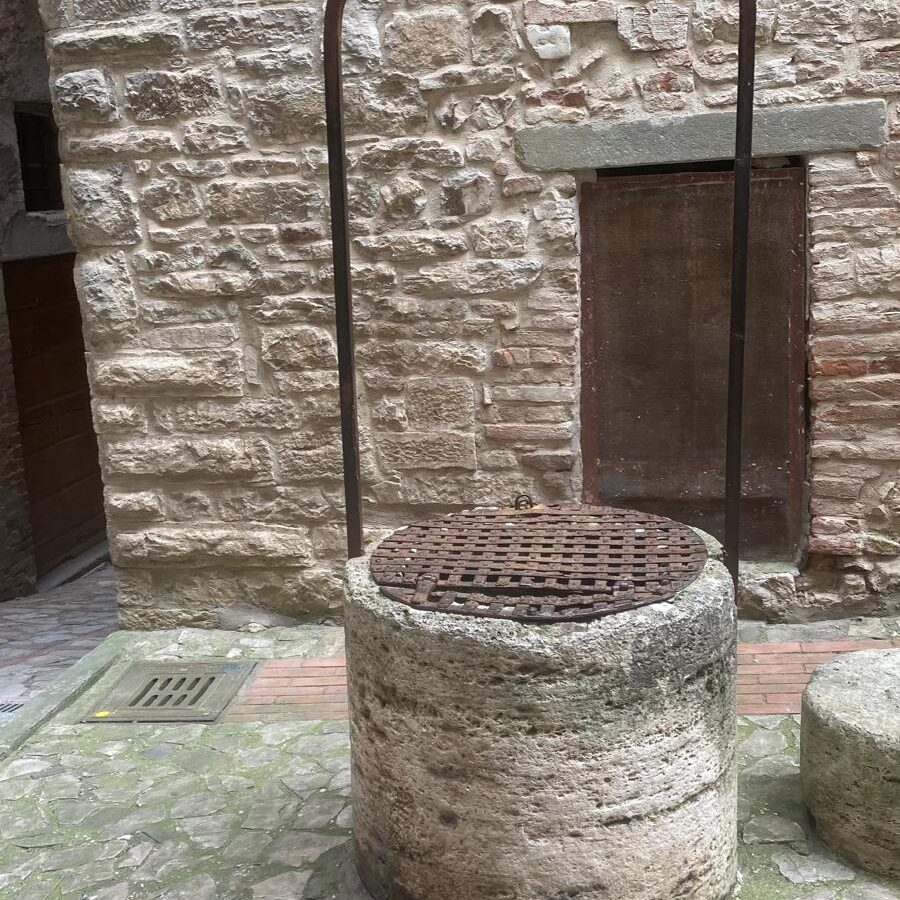
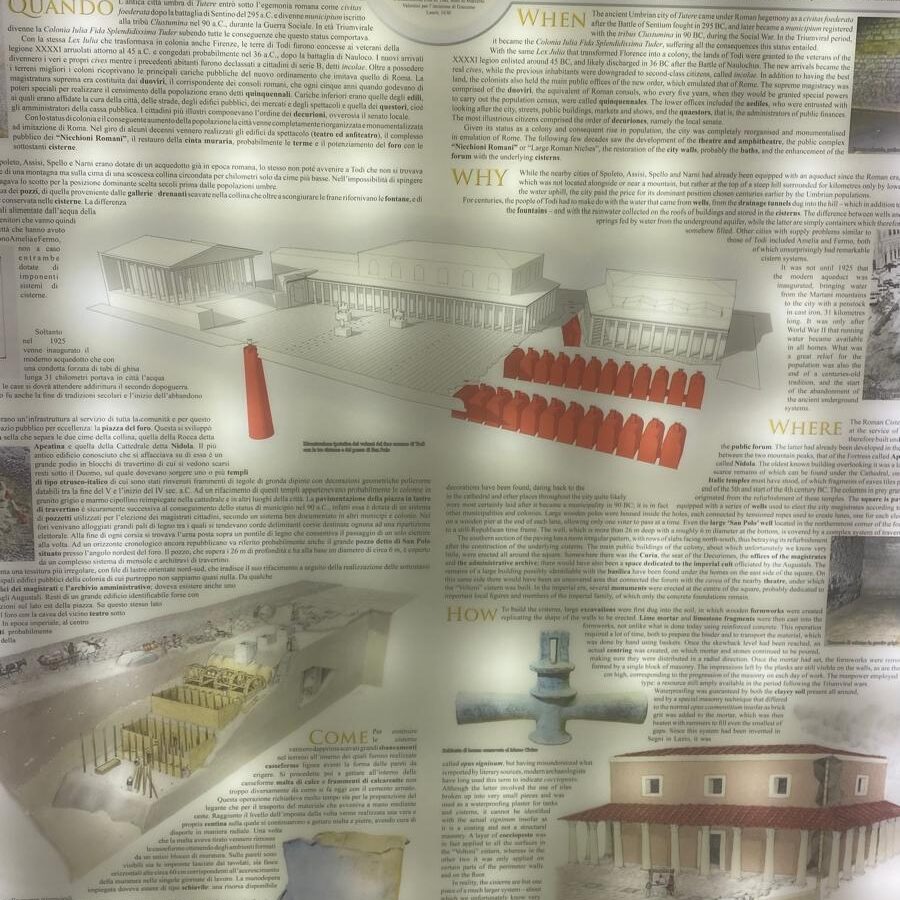
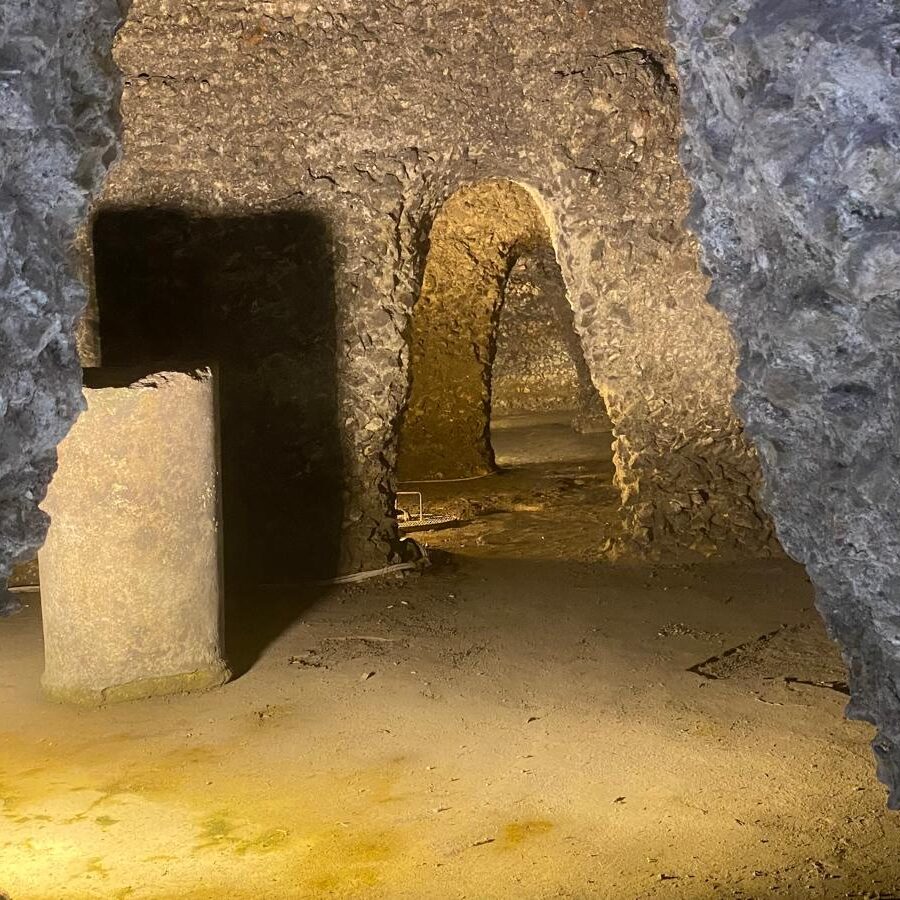
Begin your exploration beneath the surface. The Roman cisterns of Todi are among the most impressive underground structures in central Italy. Built around 100 BC, these water systems are a testament to Roman engineering mastery. Some were reopened in the 1960s, but the latest discoveries were made in 1994, unexpectedly unearthed during renovation works at a small tobacco shop (tabaccheria) right in the city center.

To visit the cisterns, go to the tourist information office located directly on Piazza del Popolo. The entry ticket is just €5, and tours are also available in English. You’ll descend into a network of tunnels, chambers, and preserved walls, walking where Romans once stored water for public and private use. Their archways, and intricate layouts are still visible and awe-inspiring.

?️ Exploring Piazza del Popolo and Surroundings

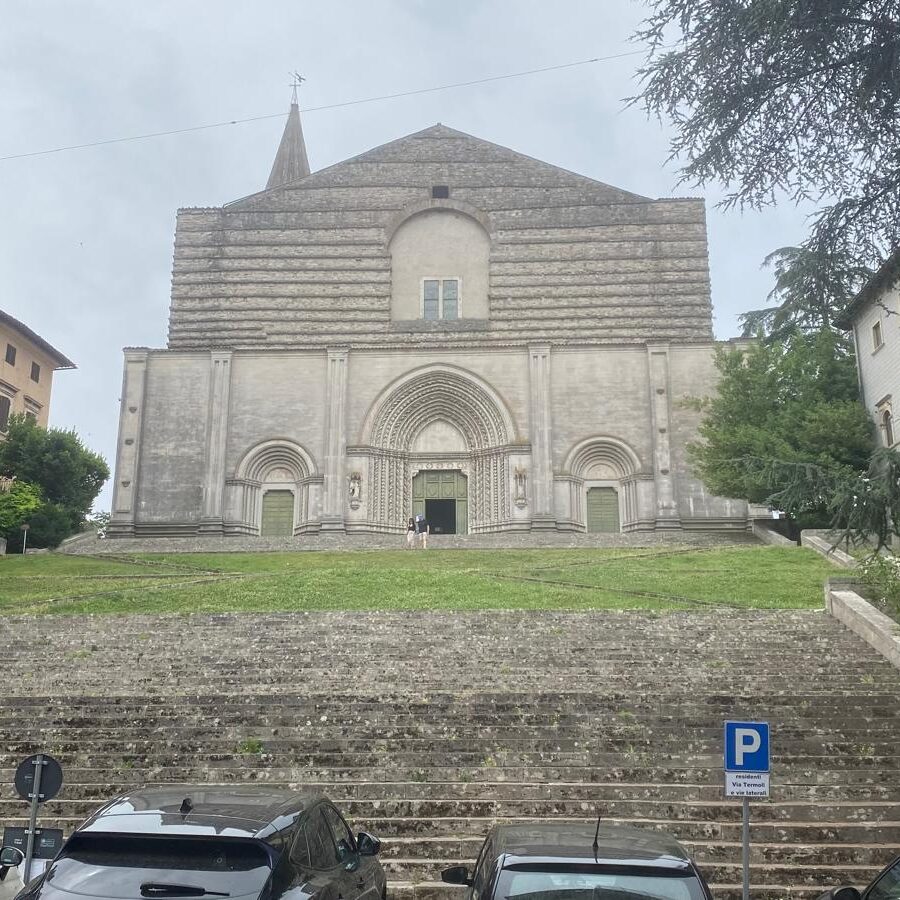
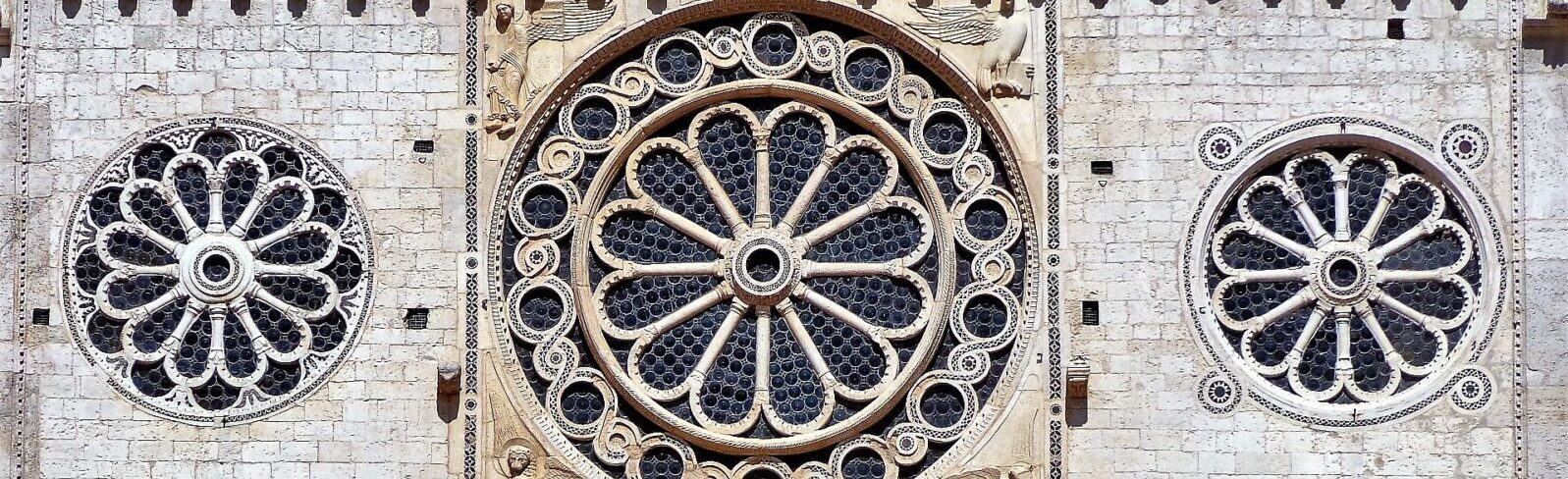
Once back above ground, give yourself time to enjoy the vibrant and historic Piazza del Popolo, considered one of the most beautiful medieval squares in Italy. The square is home to the Palazzo dei Priori, Palazzo del Capitano, and Palazzo del Popolo — each offering stunning photo opportunities and occasional temporary exhibitions. For architecture lovers, don’t miss the nearby Cathedral of the Annunciation (Duomo di Todi). Its Romanesque facade and rose window provide a scenic backdrop, especially when viewed from the top of the staircase that faces the piazza.

? A Bite at Dige’s Pizza

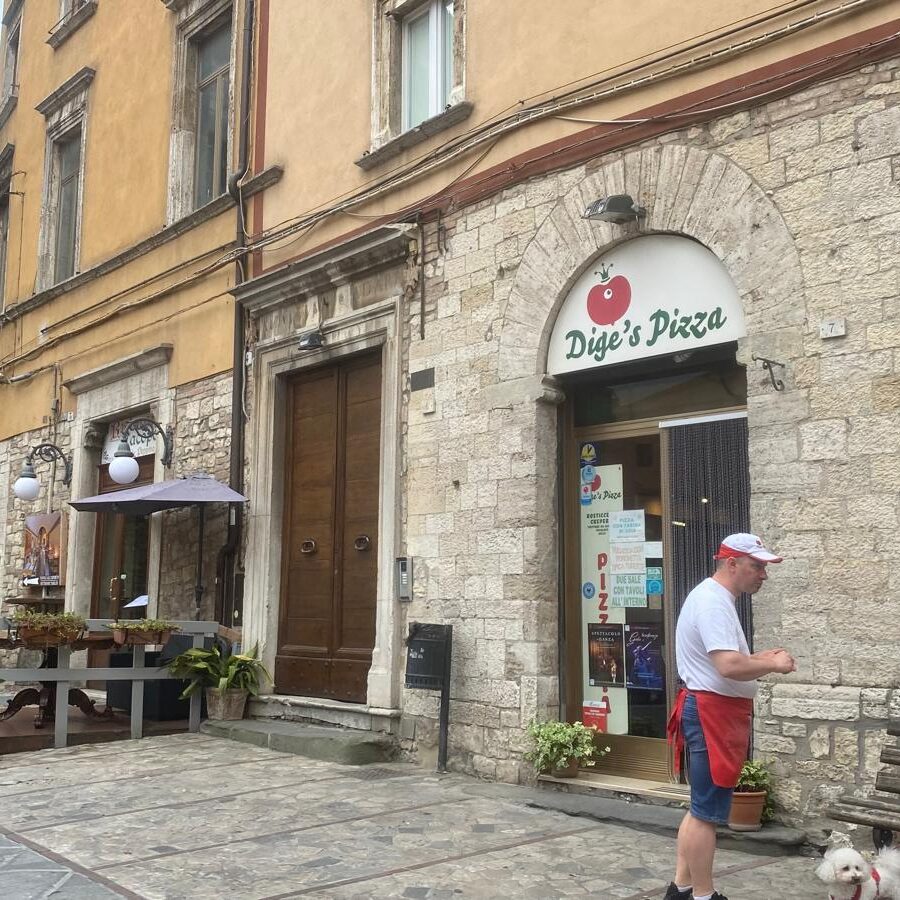
Feeling hungry but short on time? Stop at Dige’s Pizza, a local favorite for a quick, affordable, and delicious bite. Their fresh slices, classic Italian toppings, and friendly atmosphere make it perfect for refueling before more sightseeing

?️ Lunch with a View or More Time to Explore

If you have more time and want a seated lunch, Todi offers charming trattorias with terraces overlooking the Umbrian countryside. Try regional dishes like strangozzi al tartufo (truffle pasta), pigeon alla ghiotta, or local pecorino cheese with Umbrian olive oil.

? In the Afternoon: Spoleto Awaits

From Todi, Spoleto is about an hour’s drive through scenic hills and vineyards. Known for its massive fortress, aqueduct bridge, Roman theater, and charming lanes, Spoleto is the perfect counterpoint to Todi’s tranquility.

Start with a visit to the Rocca Albornoziana, the hilltop fortress with panoramic views. Then take the pedestrian path down toward the Ponte delle Torri, an awe-inspiring medieval bridge built atop Roman foundations. Spoleto’s Duomo, with its Renaissance frescoes by Filippo Lippi, is another must-see. You can easily walk through the main sites in 2–3 hours, making Spoleto a great afternoon complement to a morning in Todi.

? Extend the Experience at Adagio Umbro

If you’re not rushing back, stay nearby at Adagio Umbro, nestled between Todi and Spoleto. More than just a place to play tennis, Adagio Umbro offers a peaceful game surrounded by nature. Play tennis, enjoy the picnic area, or relax with a book under the trees. This hidden gem is ideal for couples, solo travelers, or small groups looking for a charming stop in the heart of Umbria.

? Useful Travel Tips

  • Parking in Todi: Free and comfortable parking at Porta Orvietana…
  • Cistern Entry: Tickets (€5) are available at the Tourist Information Point
  • Cistern Language Options: Tours are available in English.
  • ZTL Warning: Do not drive into the center without a permit.
  • Travel Time: Todi to Spoleto takes about 45 minutes by car.
  • Footwear: Wear comfortable shoes for cobbled streets and underground paths.
  • When to Go: Spring and autumn offer the best weather

If you’re planning to play tennis at Adagio Umbro, we’re happy to assist with more than just the court. Whether you want to book local attractions, find great restaurants, or explore Umbria like a local, we speak both Italian and English and are here to help you make the most of your time in the region. Your Umbrian escape starts with a game — and continues with unforgettable experiences.


Stay Connected

For more updates, photos, and stories from Adagio Umbro, follow us on our social media channels:
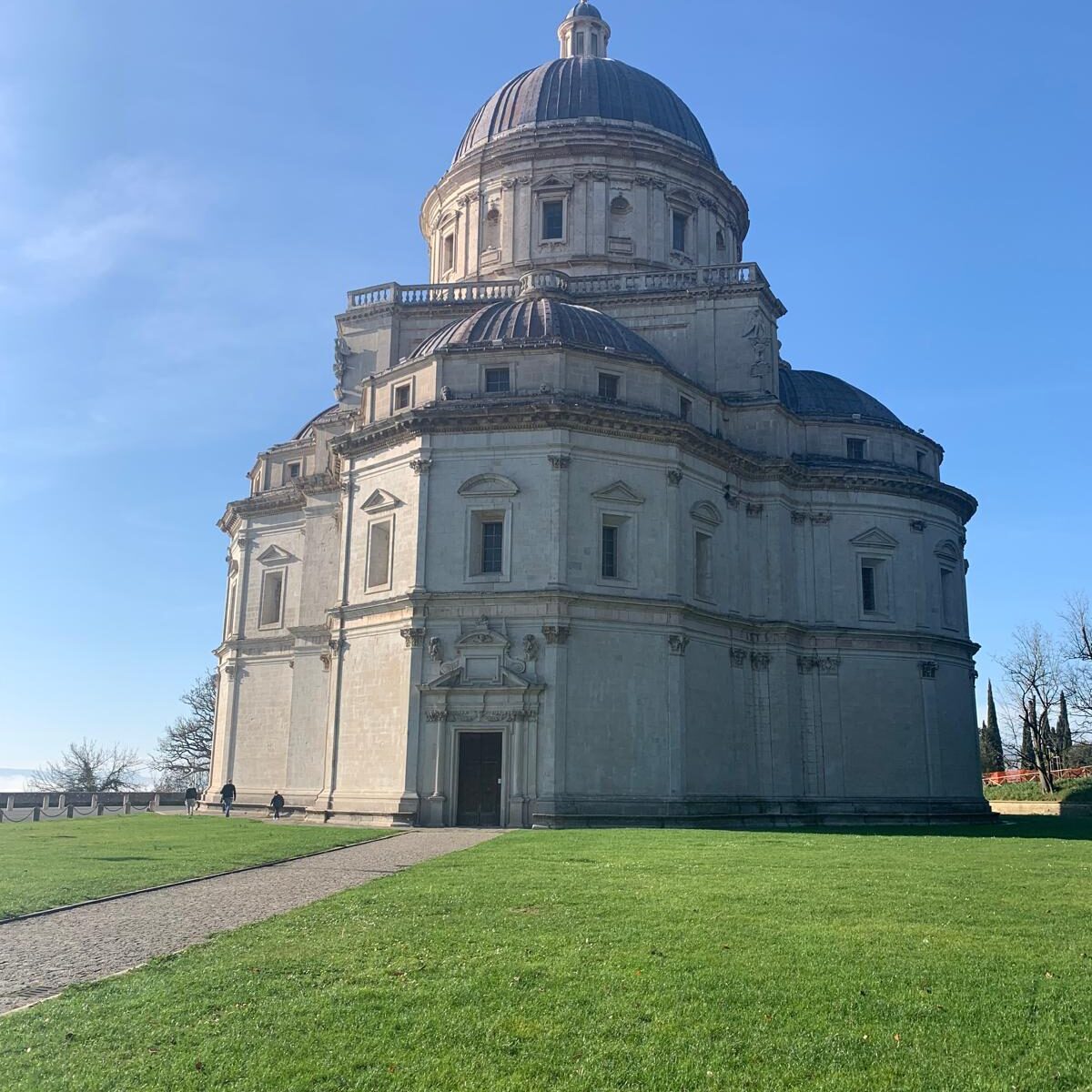
What’s the Difference Between a Chiesa, Duomo, Cattedrale, and Basilica?

While exploring the breathtaking towns and hills of Umbria, you’ve likely come across signs pointing to a Chiesa, Duomo, Cattedrale, or Basilica. But what do these words really mean? Are they just synonyms for “church,” or do they indicate something more? Let’s decode these fascinating terms and explore their unique meanings, with real-life examples you can visit across Umbria.

? Historical Origins

The term basilica originated in Ancient Rome, describing large public buildings used for gatherings, law courts, and commerce. Early Christians adopted these architectural forms for worship. The word cathedral comes from the Latin cathedra, meaning “bishop’s chair,” signifying the seat of ecclesiastical authority. Duomo stems from domus, meaning “house of God.”

? Chiesa – The General Term for Church

Chiesa simply means “church” in Italian and refers to any Christian place of worship. It can be a tiny countryside chapel or a large city church. Every town in Umbria has several chiese, often centuries old and filled with local artworks and history.

? Example in Umbria: Chiesa di San Gregorio Maggiore in Spoleto – an ancient Romanesque church with medieval frescoes and a peaceful cloister.

⛪ Duomo – The Principal Church of a City

A Duomo is the main church of a city or town. It usually coincides with the Cattedrale (Cathedral), but not always. The term “duomo” comes from the Latin domus, meaning “house (of God).” It is a civic and religious symbol, often lavishly decorated.

? Example in Umbria: Duomo di Spoleto (Cattedrale di Santa Maria Assunta) – a masterpiece of Romanesque architecture set against the scenic hills of Spoleto.

? Did you know? Not every Duomo is a Cattedrale. For instance, the Duomo of Florence became a Cathedral only after it was designated the bishop’s seat.

? Cattedrale – Where the Bishop Resides

A Cattedrale is officially the seat of a bishop. That’s what distinguishes it from other churches: the presence of the bishop’s chair or cathedra. Every diocese has one cattedrale, and it is usually also referred to as the Duomo in common speech.

? Example in Umbria: Cattedrale di San Lorenzo in Perugia – a Gothic-style cathedral with beautiful frescoes and underground Roman ruins.

?️ Basilica – Honored by the Pope

A Basilica is a title of honor given by the Pope to churches of historical, spiritual, or architectural significance. Basilicas can be major (like those in Rome) or minor (like many across Italy). They often hold important relics, host pilgrimages, or play a vital role in the Church’s history.

? Example in Umbria: Basilica di San Francesco in Assisi – the world-famous sanctuary housing the tomb of Saint Francis, a UNESCO World Heritage site and spiritual heart of Umbria.

? Religious and Cultural Events to Experience in Umbria

Whether you’re drawn to ancient rituals, spiritual celebrations, or world-class performances under the stars, Umbria offers a vibrant calendar of events throughout the year. Below are some of the most meaningful and entertaining festivals — both religious and cultural — that you can enjoy during your visit.

? Religious Festivals

  • Festa di San Costanzo (January, Perugia): Celebrated at the Cattedrale di San Lorenzo, this feast honors one of Perugia’s patron saints with a religious procession and traditional sweet buns called torcolo di San Costanzo.
  • Calendimaggio (May, Assisi): Though rooted in medieval tradition, this spring festival honors the spirit of renewal and Saint Francis with music, parades, and competitions between the city’s ancient districts near the Basilica di San Francesco.
  • Corpus Domini (June, Spello): Famous for the Infiorate, this celebration features breathtaking floral carpets laid throughout the streets for a solemn Eucharistic procession. Local churches host special masses and blessings.

? Cultural Summer Events

  • Festival dei Due Mondi (June–July, Spoleto): One of Europe’s most acclaimed performing arts festivals. Enjoy opera, ballet, classical concerts, and modern theatre in stunning venues including the Duomo di Spoleto.
  • Umbria Jazz (July, Perugia): A must for music lovers. The city comes alive with international jazz artists, open-air stages, and pop-up performances throughout the medieval streets.
  • Palio dei Terzieri (August, Città della Pieve): Step back into the Renaissance during this historic archery tournament and medieval pageant. The town transforms with flags, costumes, and traditional food stalls.

? Visit with Respect – Tips for Entering Churches

  • Wear modest clothing (cover shoulders and knees).
  • Keep silent or speak softly inside sacred areas.
  • Ask permission before taking photos, especially during services.
  • Switch phones to silent mode.

? Vocabulary Across Languages

English Italian German Dutch
Church Chiesa Kirche Kerk
Cathedral Cattedrale Kathedrale Kathedraal
Duomo Duomo Domkirche Hoofdkerk
Basilica Basilica Basilika Basiliek

? Summary Table

Term Meaning Example in Umbria
Chiesa Any Christian church Church of St. Peter extra moenia
Duomo Main church of a town or city Duomo di Spoleto
Cattedrale Church that is the bishop’s seat San Lorenzo, Perugia
Basilica Church granted special status by the Pope San Francesco, Assisi

Still have questions or want to know more? Reach out to us anytime — we love hearing from curious guests and helping you uncover the stories behind every stone in Umbria.


Stay Connected

For more updates, photos, and stories from Adagio Umbro, follow us on our social media channels:
Why Visit Trevi – The Timeless Charm of Umbria

Have you ever wandered into a town that felt like a dream? Welcome to Trevi, a hilltop jewel in the heart of Umbria. With cobbled alleys, olive trees stretching to the horizon, and golden sunsets over the valley, Trevi offers an authentic experience far from crowded tourist trails. Here’s why you should add Trevi to your Umbrian itinerary.

1. Authentic Umbrian Atmosphere

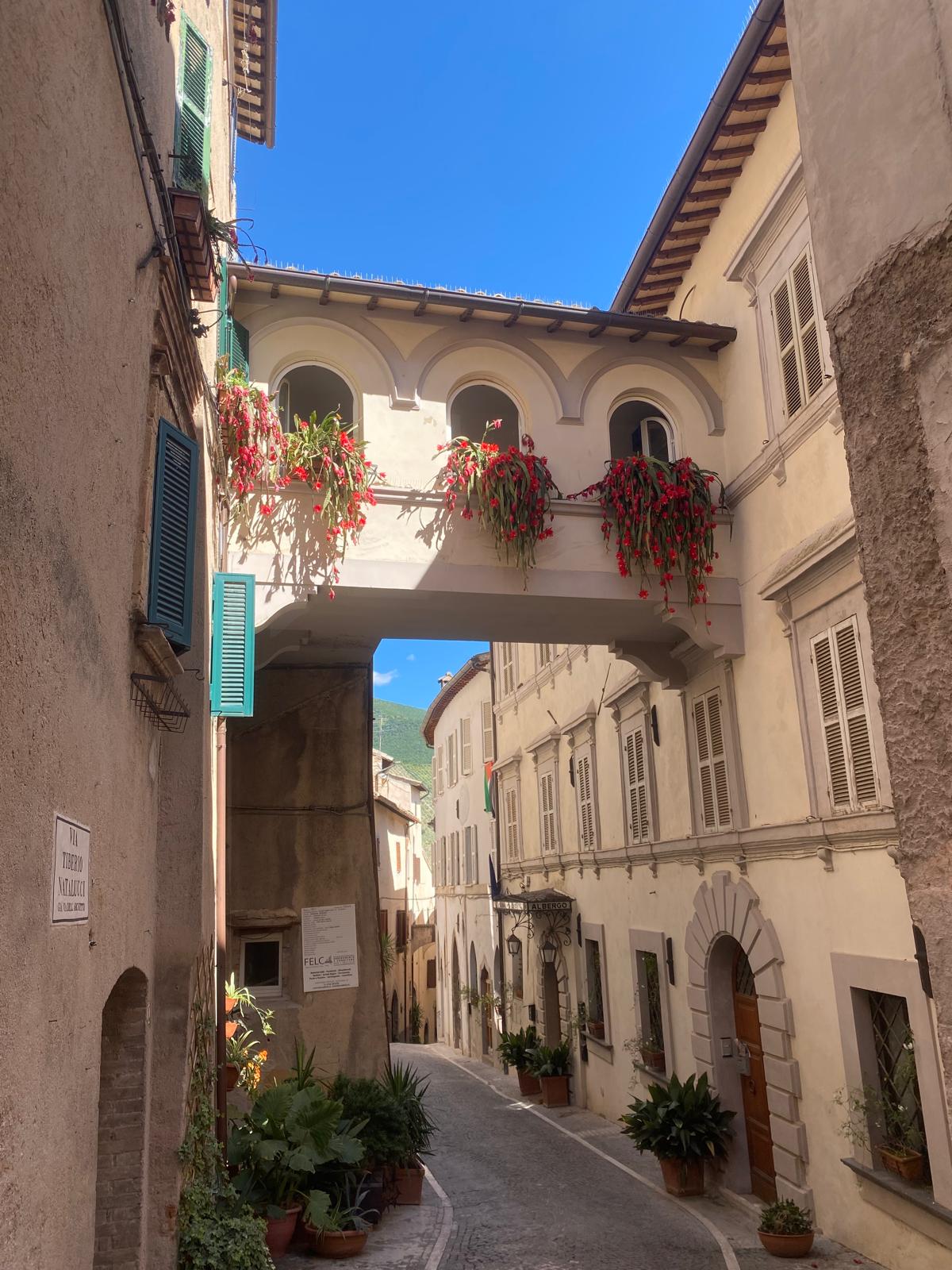
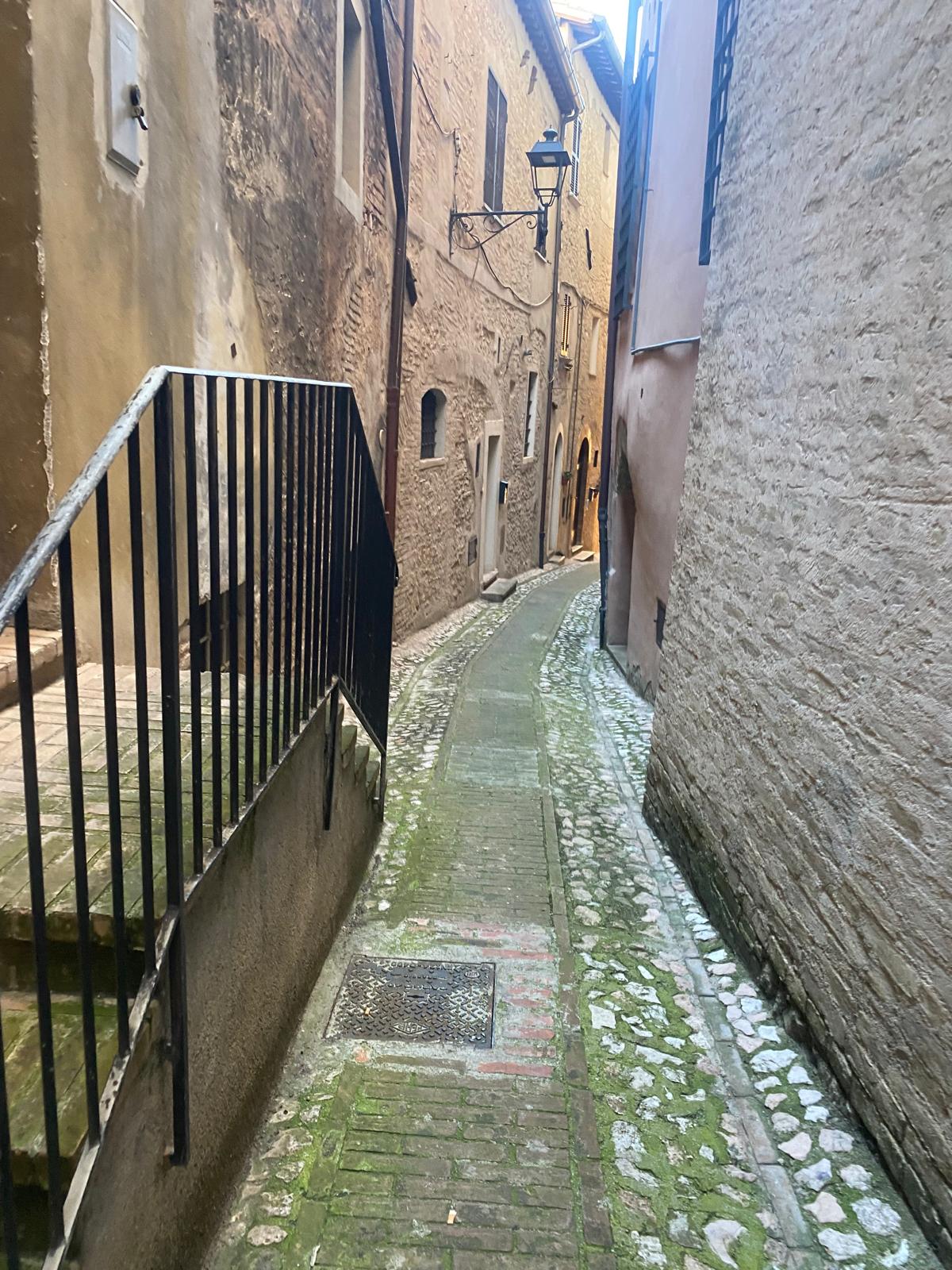
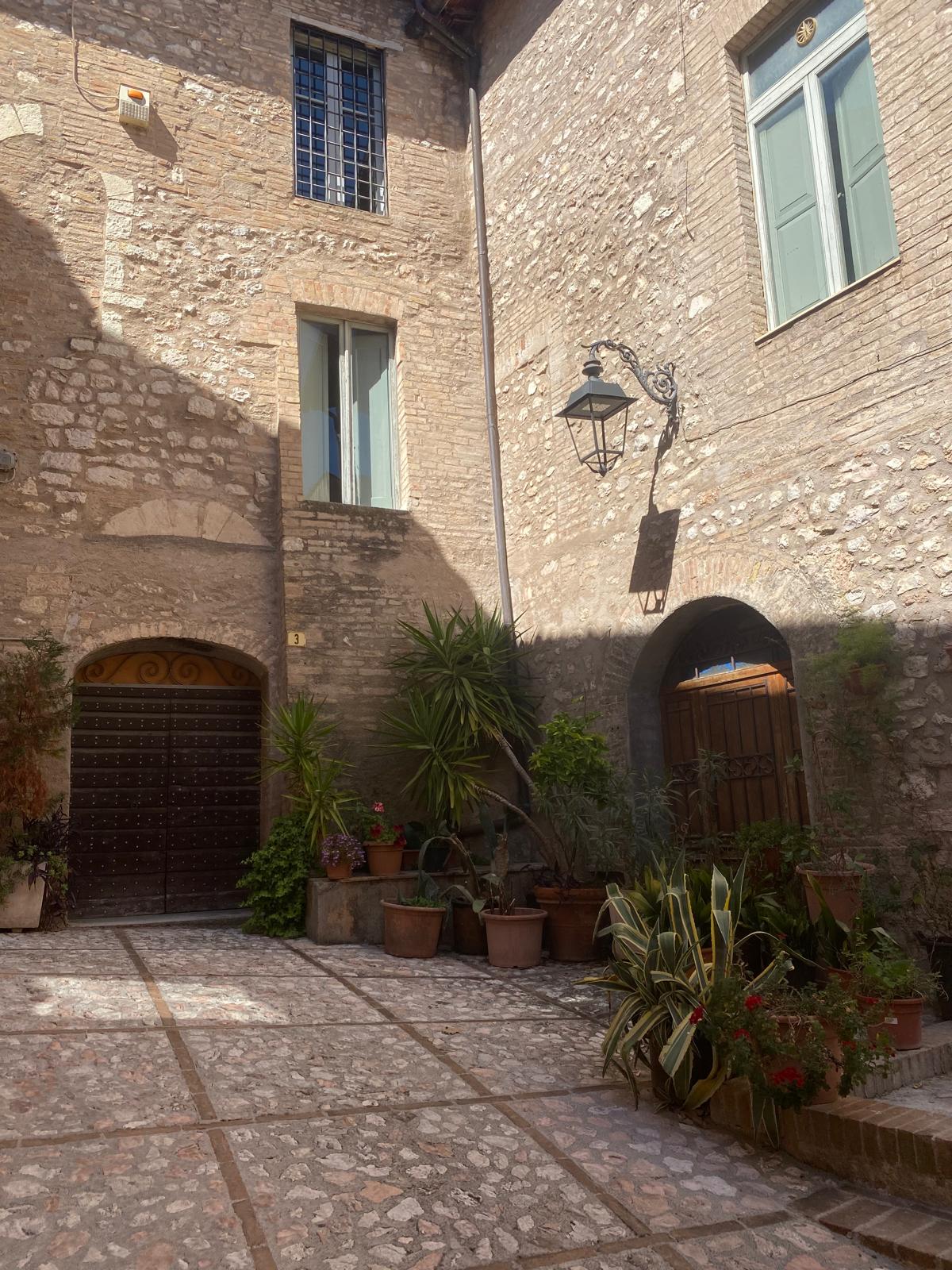
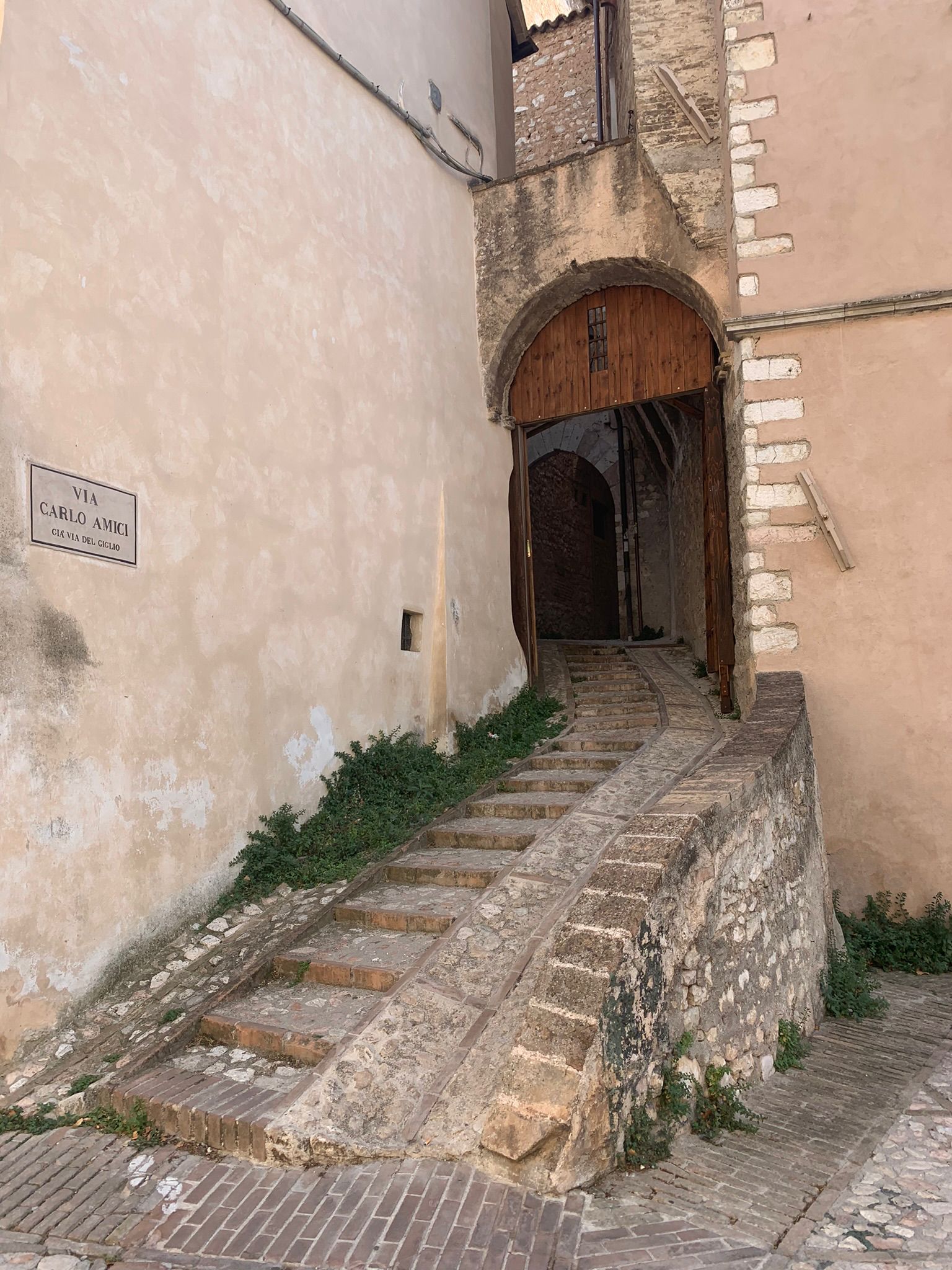
Forget the crowds. Trevi whispers stories from the past in every stone. As you stroll its narrow paths, flower-filled balconies and quiet piazzas invite you to slow down and just breathe. It’s the perfect spot for mindful travel and romantic getaways.

2. The Olive Capital of Umbria

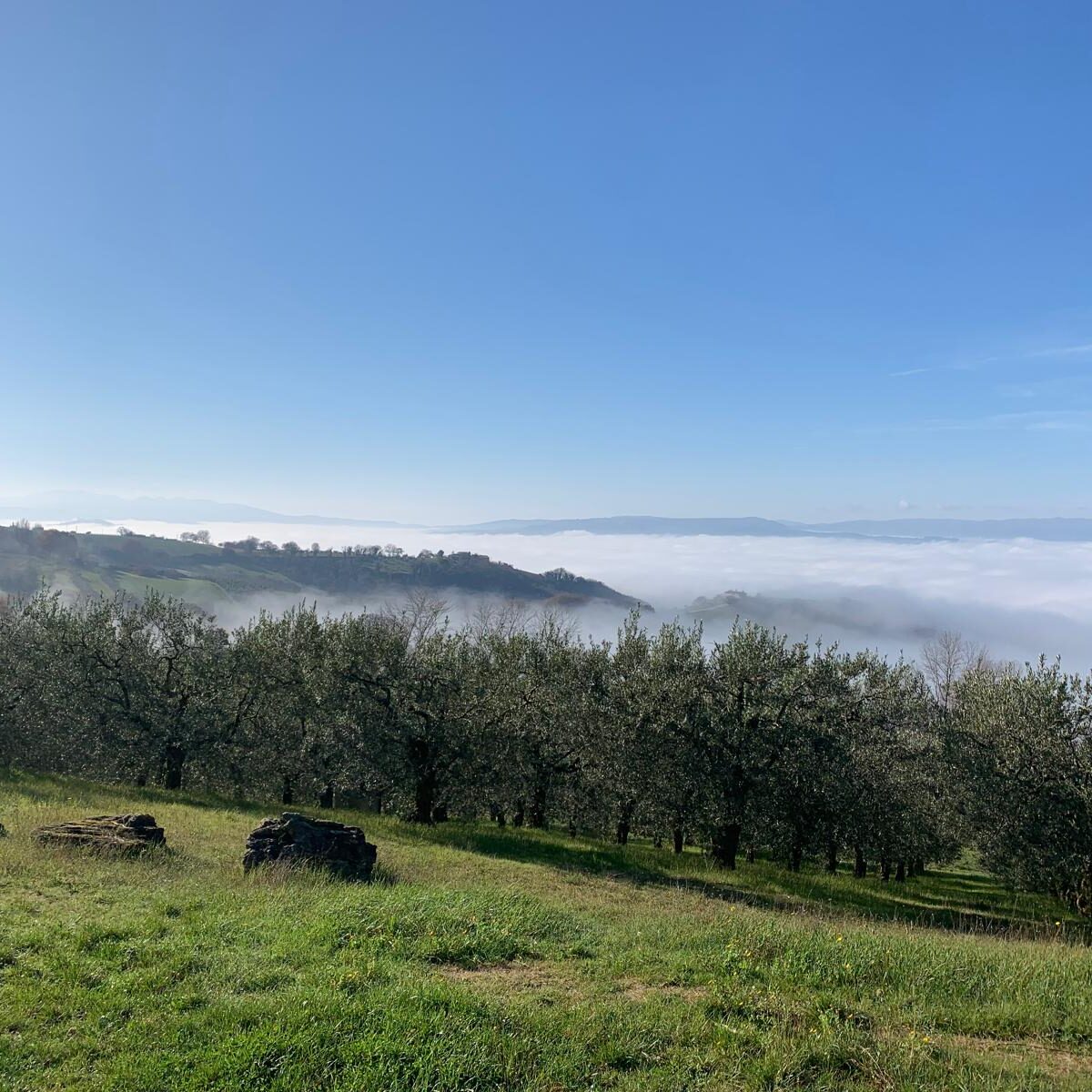
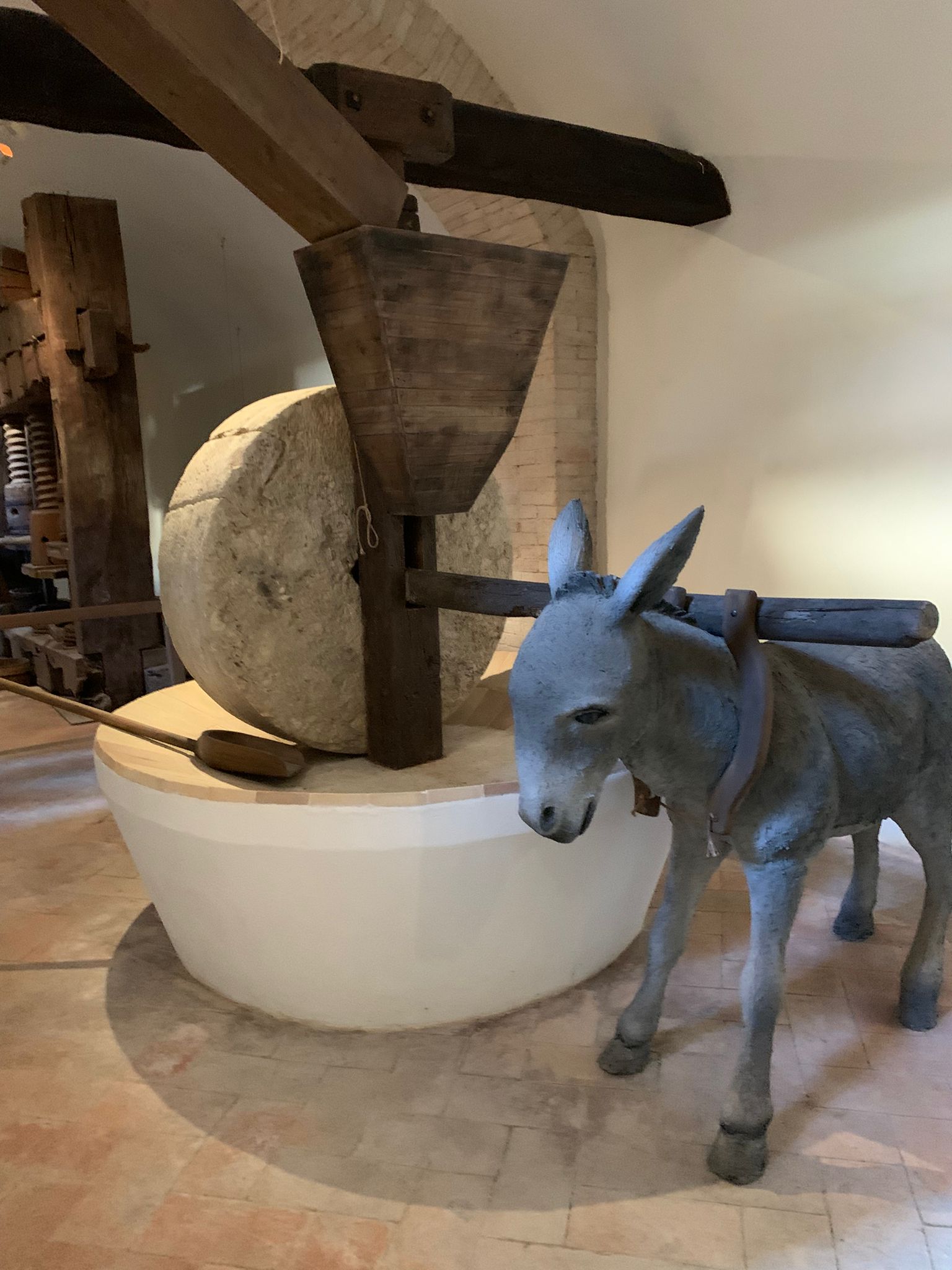
Surrounded by silvery olive groves, Trevi is famed for its high-quality extra virgin olive oil. In autumn, during the Festivol, the town celebrates the harvest with tastings, music, and the scent of fresh oil in the air.

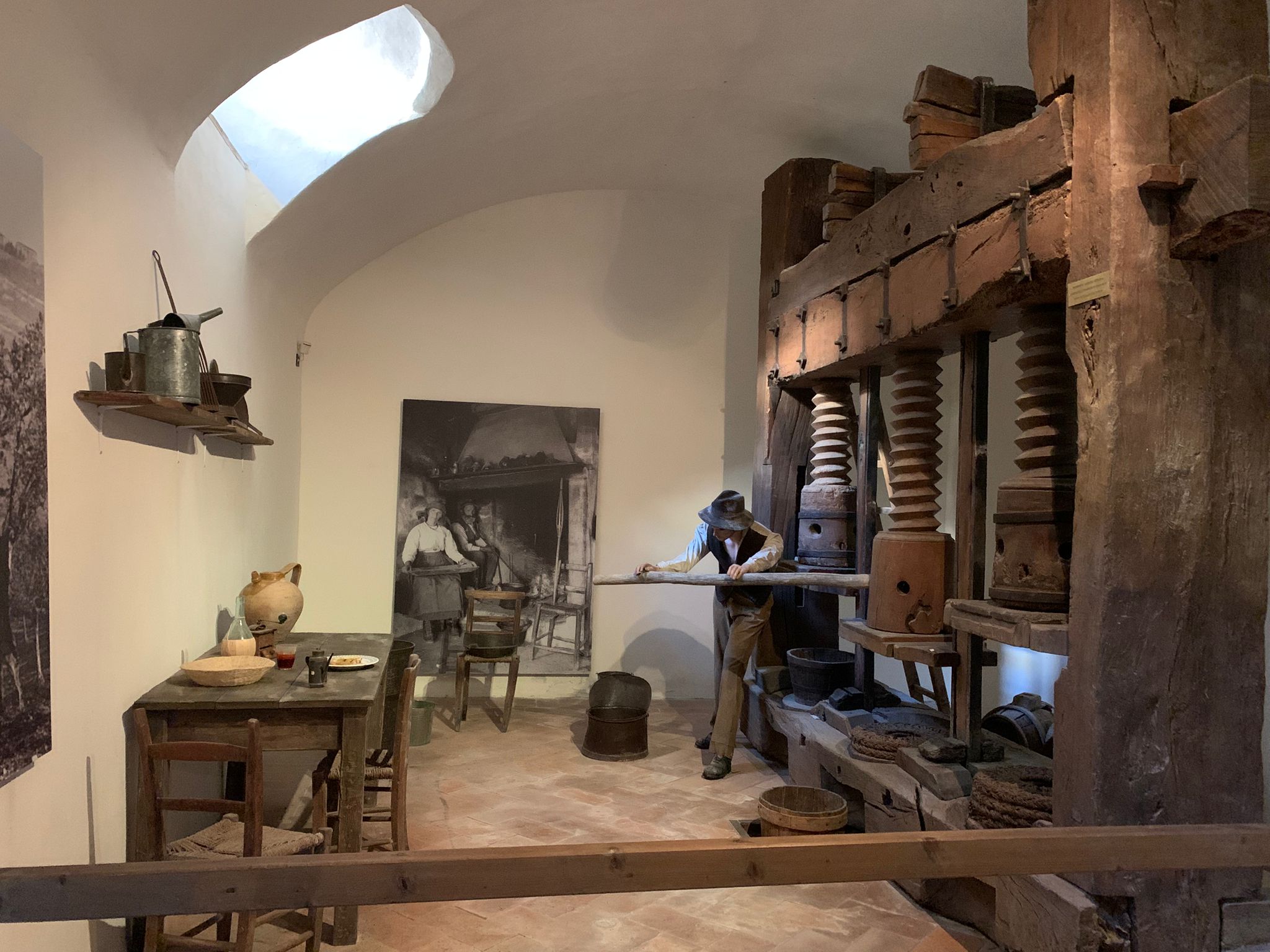
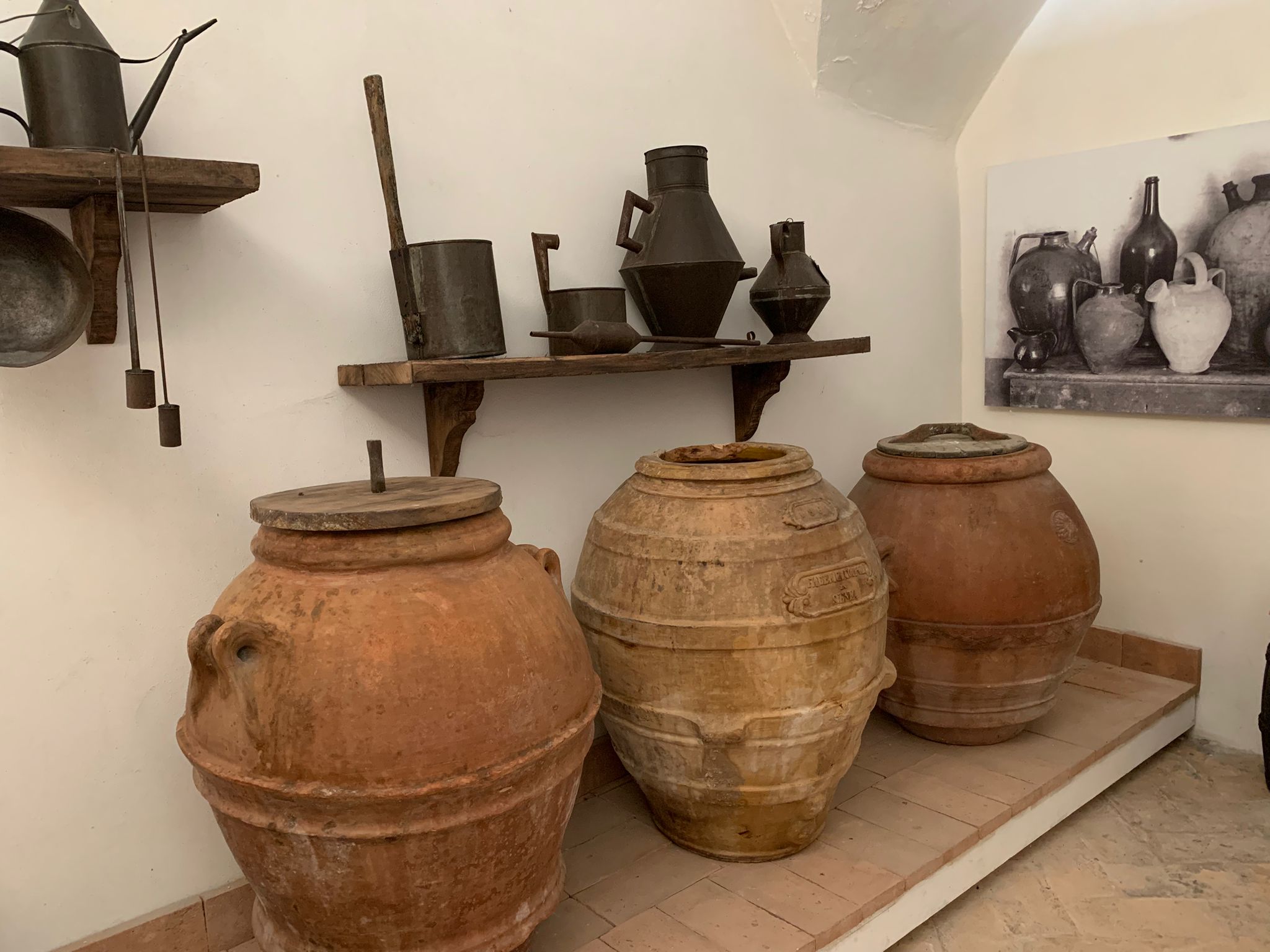
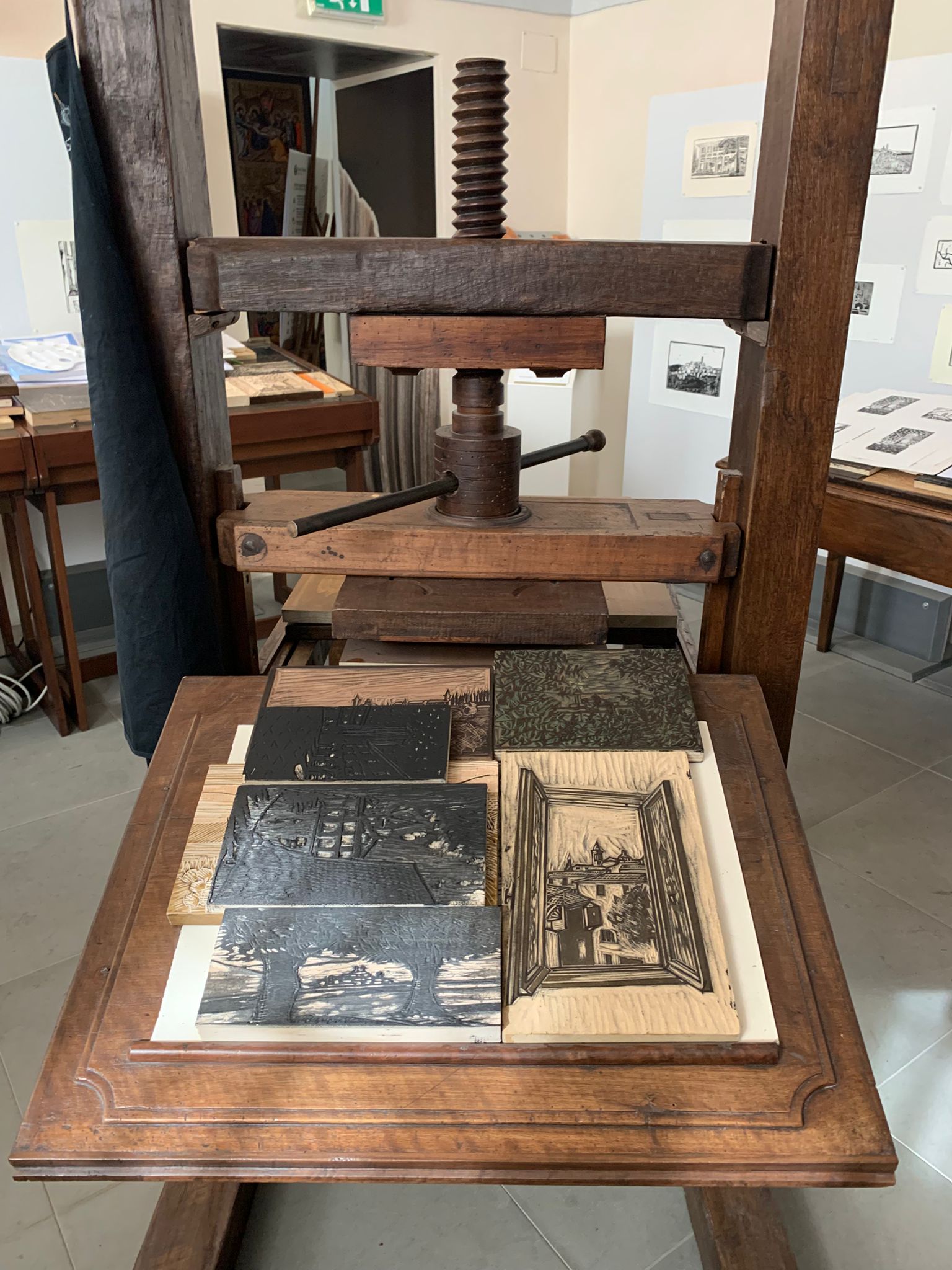
For those curious about the region’s deep-rooted olive-growing traditions, Trevi is also home to the Museum of the Olive Oil Civilization (Museo della Civiltà dell’Ulivo). Housed in a former monastery, this small but rich museum offers a fascinating look into the tools, stories, and rituals that shaped one of Umbria’s most prized treasures.

3. Scenic Views and Photo Opportunities

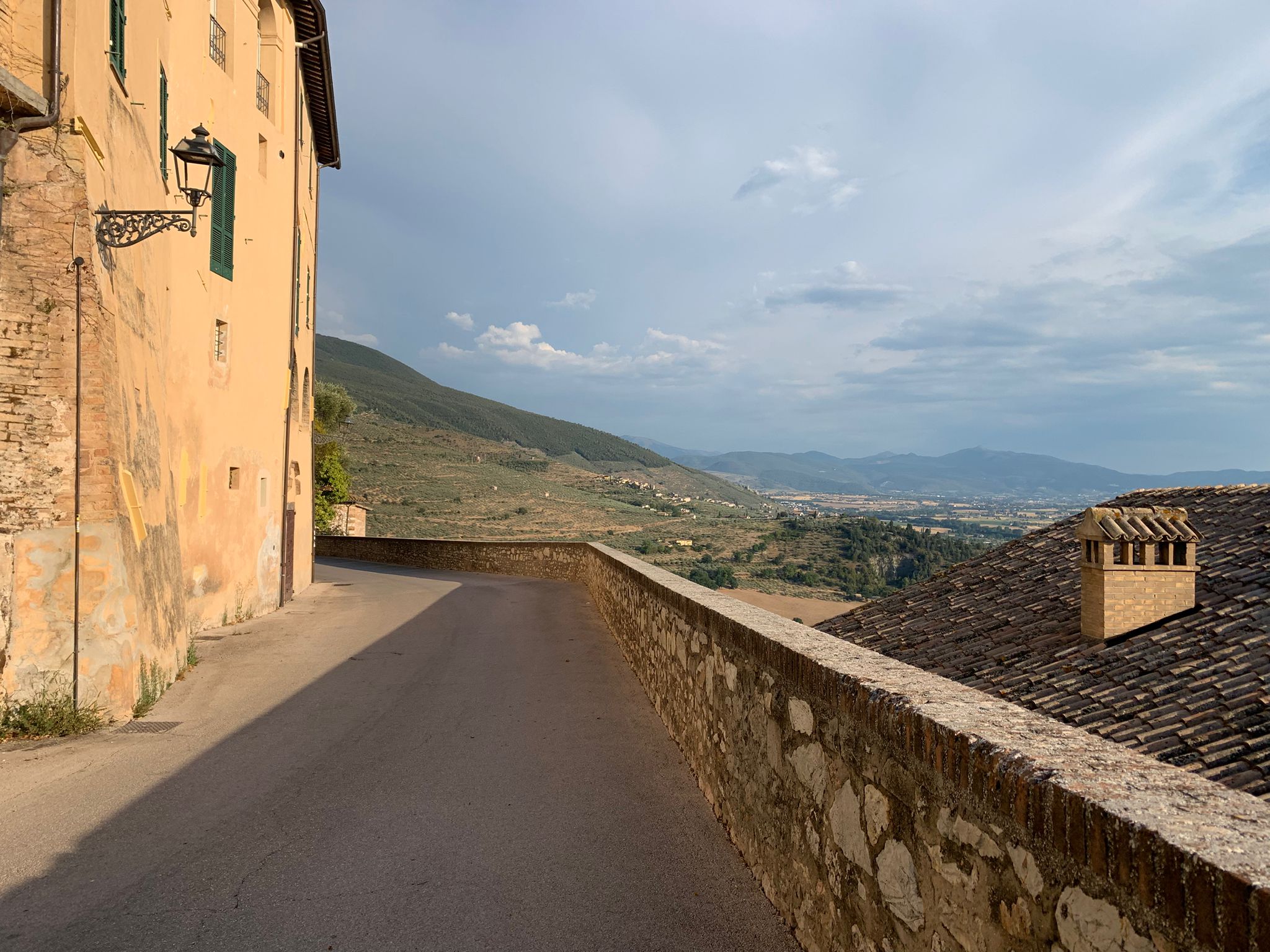
Whether you’re a passionate photographer or a traveler who loves capturing memories, Trevi offers postcard-perfect shots from every corner. From lookout terraces to secret corners with sweeping valley views, it’s a visual treasure trove.

4. Walks, Wellness, and Nature

Take a walk along ancient paths like the Sentiero degli Ulivi, a trail between olive trees and rural landscapes that reconnects you with nature. Many visitors describe Trevi as a place to recharge both body and soul.

5. Ideal Location for Exploring Umbria

Trevi is just 20 minutes from Spoleto and Montefalco, and less than an hour from Assisi. That makes it an ideal base or stop during your Umbrian journey. It’s peaceful, yet well connected — and for those seeking a truly authentic experience, our nearby countryside space offers the chance to play tennis, enjoy a picnic, and unwind in nature.

What to See in Trevi

Trevi offers more than olive groves and stunning views — it also boasts a rich cultural heritage worth exploring. Here are some must-see sites that reveal the artistic and historical soul of this Umbrian town:

  • San Francesco Museum Complex & Church – A beautifully restored monastery that houses several exhibitions, including the fascinating Museum of the Olive Oil Civilization.
    Opening hours: Vary by season. Typically open on weekends from January to March and in November, and from Tuesday to Sunday between April and October. Closed on December 25 and January 1.
    Tickets: €6 (full), €4–2 (reduced), free for children under 6 and certain concessions.
  • Villa Fabri – A 17th-century villa with panoramic terraces and rotating cultural events. Entry is free.
    Opening hours: Same as the San Francesco complex.
  • Villa Fabri Park – A peaceful green escape open daily.
    Hours: Weekdays 08:00–20:00 • Weekends & holidays 08:00–23:00
  • Clitunno Theater – A small, elegant local theater that opens by appointment. Advance booking is required.

Full details and updates (currently only in Italian) can be found on the official Trevi municipality website: www.comune.trevi.pg.it – Art & Culture Section. If you need help planning your visit, we’ll be happy to assist you in both English and Italian.

Visiting Trevi also means discovering Umbria — a region unlike any other in Italy. With no coastline, Umbria remains off the beaten path, offering forests instead of beaches, silence instead of crowds, and genuine local life instead of mass tourism. It’s a more sustainable way to travel: slower, deeper, and more respectful of the land and its people. If you’re looking for the soul of Italy, you’ll find it here — quietly waiting in the olive groves, medieval streets, and golden hills of Trevi.

? Trevi Photo Gallery

Scroll through the images below to discover the charm of Trevi


Stay Connected

For more updates, photos, and stories from Adagio Umbro, follow us on our social media channels: