Why Visit Trevi in Umbria: Olive Groves, Medieval Streets and Authentic Italian Atmosphere
Trevi is one of the most scenic hill towns in Umbria, known for olive groves, panoramic views and quiet medieval streets away from mass tourism.
Located near Spoleto, Montefalco and Assisi, Trevi is ideal for travelers looking for authentic Italy, local traditions, countryside walks and slower travel experiences.
Trevi is one of those places in Italy that reveals itself slowly. Perched on a hill in the heart of Umbria, the town is surrounded by olive groves, peaceful countryside landscapes and panoramic terraces overlooking the Valle Umbra.
Unlike heavily visited destinations, Trevi preserves a quieter rhythm of life where medieval streets, local cafés and historic stone buildings still shape the atmosphere of everyday Italy. Visitors come here to experience a more authentic side of the country – one connected to nature, olive oil traditions and slow travel.
Its location between Spoleto, Montefalco and Assisi also makes Trevi an excellent stop during a wider Umbrian itinerary, especially for travelers exploring central Italy by car and looking for a calmer alternative to the most crowded Italian routes.
Where Is Trevi in Umbria?
Trevi is a hilltop town in central Umbria, located between Spoleto and Foligno in the province of Perugia. Set on the slopes of Monte Serano and surrounded by olive groves, the town overlooks the Valle Umbra with wide panoramic views across one of the most beautiful countryside landscapes in the region.
For travelers searching where Trevi is on the map, it sits in a strategic position for exploring Umbria by car. Spoleto is about 20 minutes away, Montefalco is nearby, and Assisi can be reached in less than an hour, making Trevi an easy day trip or a peaceful stop during a wider Umbrian itinerary.
Trevi is especially interesting for visitors coming from Rome who want to discover a quieter side of central Italy. Compared with more famous Tuscan towns, Trevi feels less crowded and more intimate, offering medieval streets, olive landscapes and authentic local atmosphere without the pressure of mass tourism. For a broader route nearby, you can also explore our complete guide to visiting Spoleto.
Where to Park in Trevi
Parking in Trevi is usually quite practical compared with many historic towns in central Italy. Visitors arriving by car can drive up the hill toward the historic centre and follow Google Maps or local parking signs. This is useful for international drivers, because Trevi may look difficult to access from a distance, but in reality the approach is relatively simple if you follow the main road uphill.
Near the upper part of the town, there are convenient parking areas close to the historic centre, including free and paid options depending on availability and season. One of the most useful areas is around Piazza Garibaldi, which allows visitors to leave the car and continue on foot through the old streets, panoramic viewpoints and cultural sites.
As always in Italy, check road signs carefully before entering narrow streets or parking areas, because local traffic rules may change. However, for travelers exploring Umbria by car, Trevi is generally a comfortable stop: you do not need to park far away in the valley, and reaching the historic centre is easier than many visitors expect.
Why More Travelers Are Discovering Trevi and Umbria
Trevi is becoming more relevant for a simple reason: many travelers are no longer looking only for the most famous places in Italy. They want quieter towns, local food traditions, countryside landscapes and a slower rhythm of travel. Umbria fits this demand very well, especially for visitors who want authentic Italian atmosphere without the intensity of mass tourism.
According to recent regional tourism data, Umbria recorded strong growth in international tourism in early 2025, with foreign arrivals and overnight stays increasing significantly compared with the same period of the previous year. This confirms a clear trend: international visitors are showing growing interest in the region, not only for major destinations such as Assisi or Perugia, but also for smaller hill towns and countryside itineraries.
The same data shows important visitor flows from markets such as the United States, Germany, the Netherlands and Great Britain – countries where slow travel, food tourism, walking routes and less crowded destinations are especially attractive. For these travelers, Trevi offers exactly what many now search for in Italy: olive groves, medieval streets, panoramic views, local traditions and a calm atmosphere that feels genuine rather than staged.
This is why Trevi should not be seen only as a short stop between Spoleto and Montefalco. It is part of a wider shift toward slower, more meaningful travel in Umbria – the kind of place where the landscape, the food and the silence become part of the experience.
The Atmosphere of Trevi: Slow Italy Without Crowds
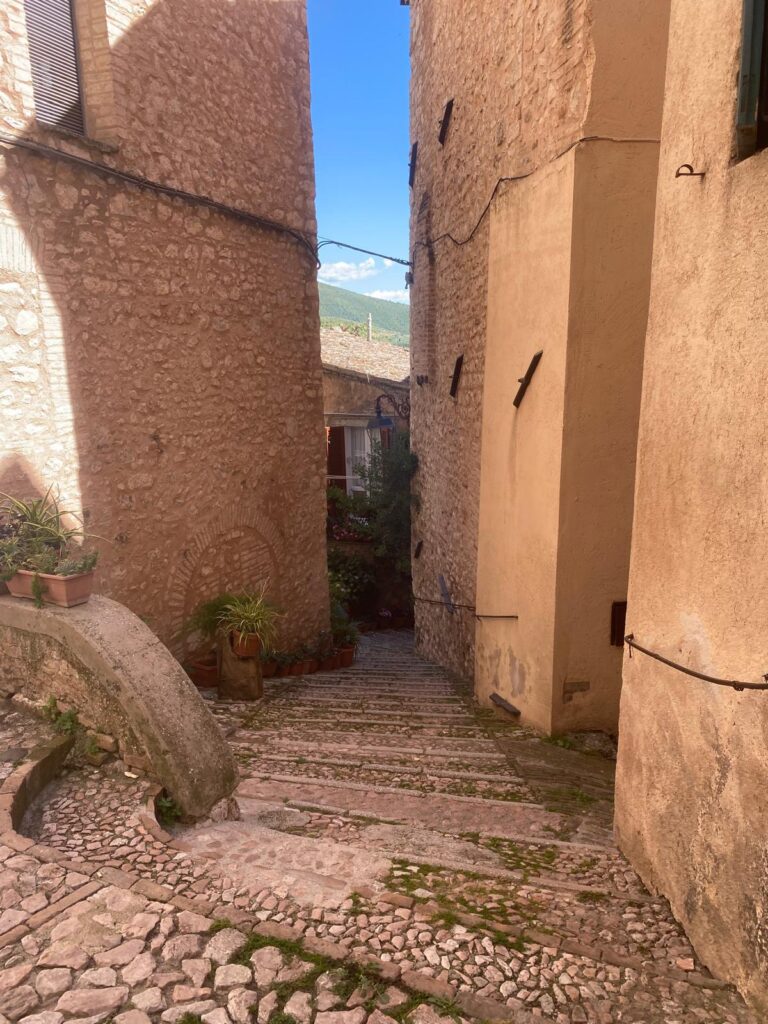
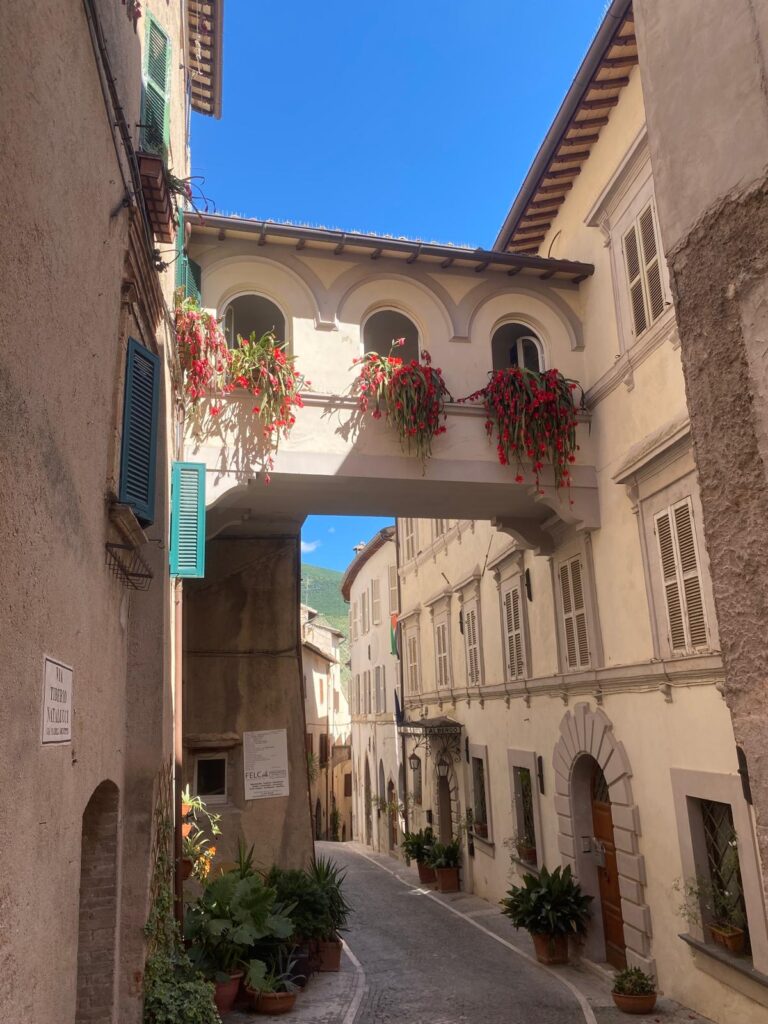
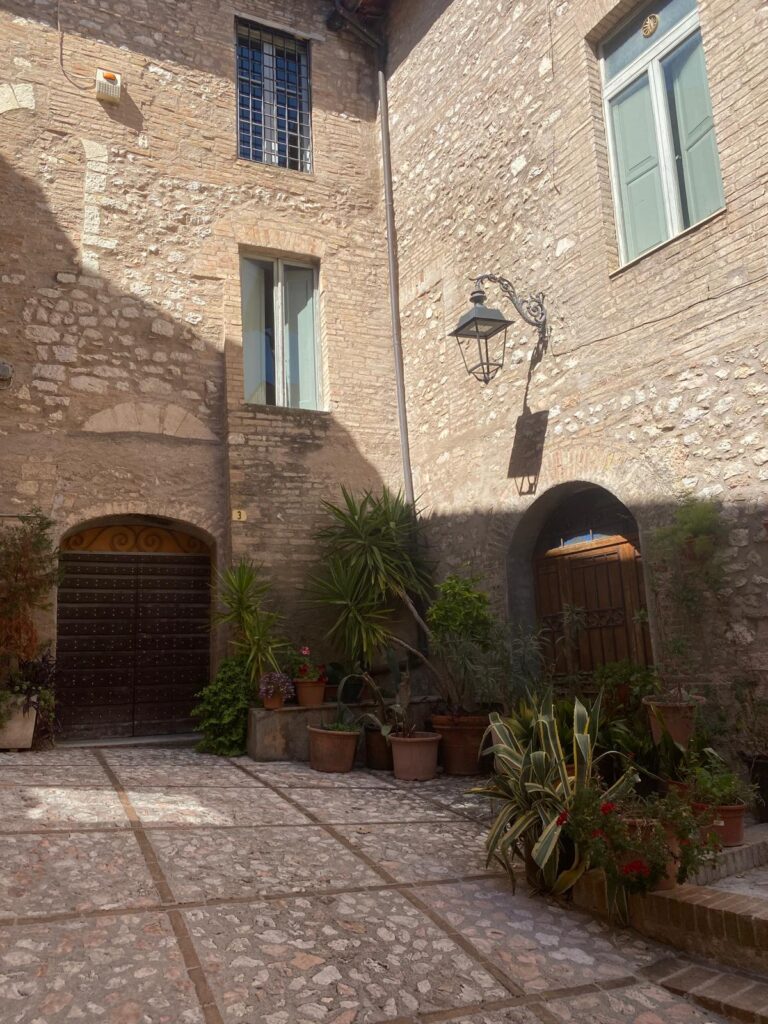
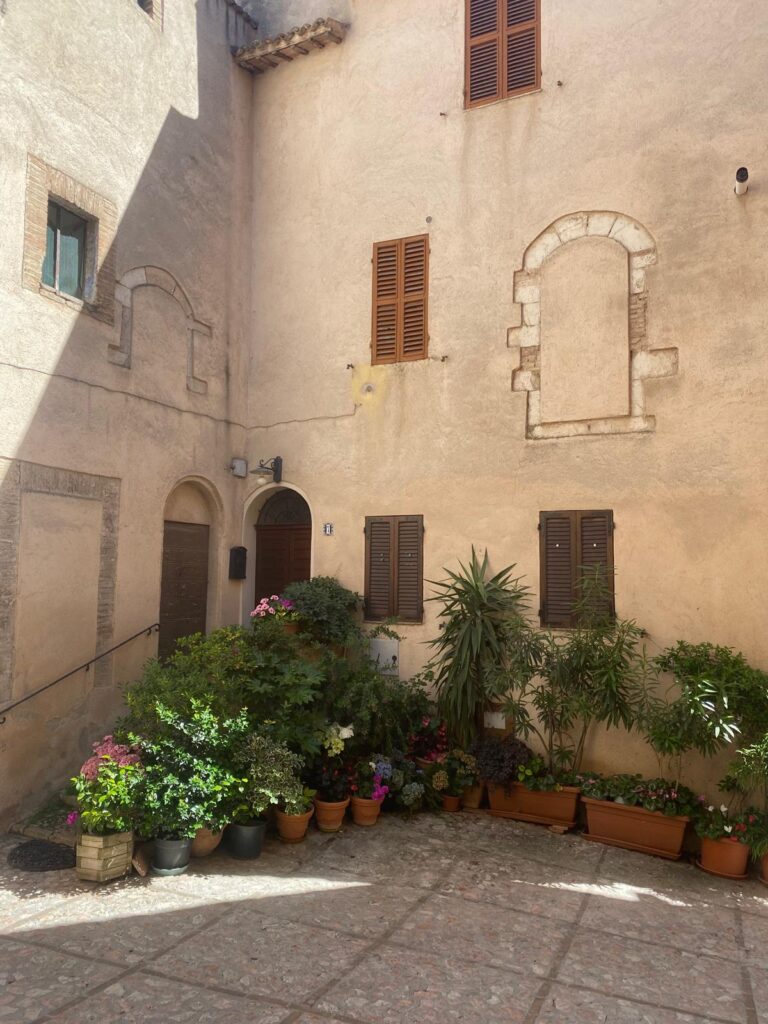
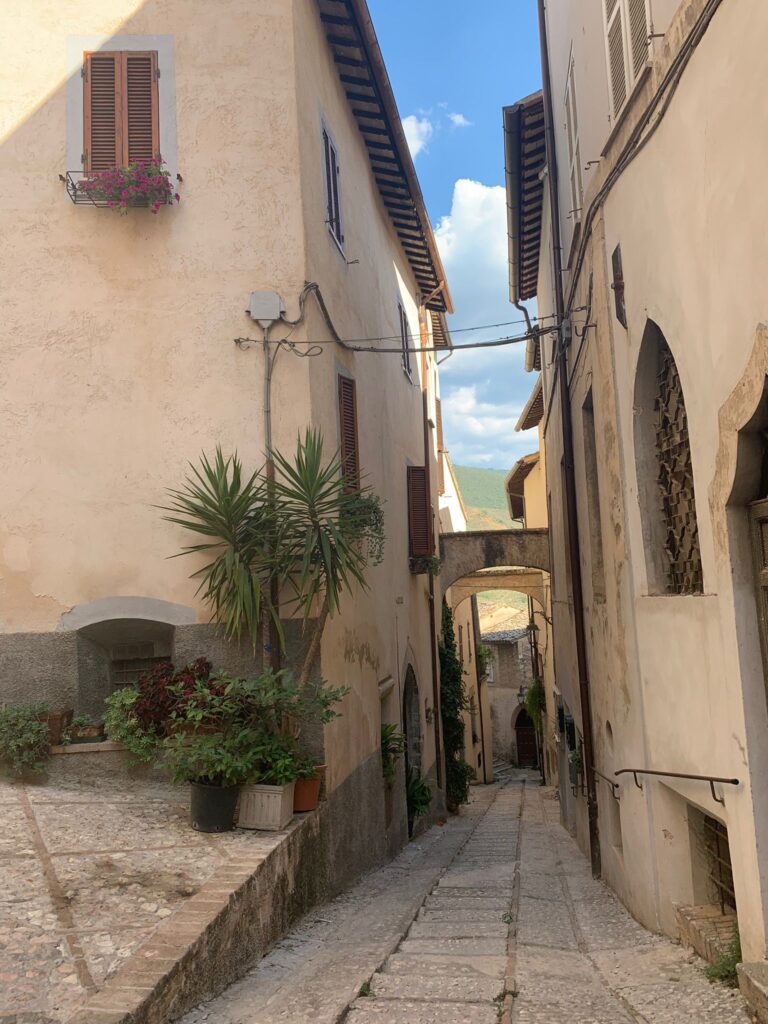
The real beauty of Trevi is not only in what you see, but in how the town makes you move. Here, travel becomes slower almost naturally. Stone alleys rise through the historic centre, flower balconies soften the old façades, and small local cafés invite you to stop rather than simply pass through.
Trevi is not a place that asks to be consumed quickly. There are no long queues, no aggressive tourist rhythm, no feeling that you must rush from one attraction to another. Instead, the town offers a quieter version of Italy: church bells echoing between medieval walls, warm evening light on pale stone, and views that open suddenly over the Umbrian valley.
For travelers tired of crowded itineraries and over-photographed destinations, Trevi feels like a different kind of discovery. It gives you the atmosphere many people hope to find in Italy, but do not always experience in the most famous places: silence, authenticity, local life and time to notice details.
This is why Trevi belongs naturally to the world of slow tourism in Italy. It is one of those quiet towns in Umbria where the experience is not built around spectacle, but around presence – walking, observing, tasting, breathing and letting the place reveal itself slowly.
Trevi and the Olive Oil Tradition of Umbria
Trevi is deeply connected to olive oil. The hills around the town are covered with olive groves that have shaped not only the landscape, but also the local economy, food culture and identity of this part of Umbria. For many visitors, the first impression of Trevi is visual: silver-green olive trees climbing the slopes, stone terraces, country roads and views that explain why this area is so strongly associated with extra virgin olive oil.
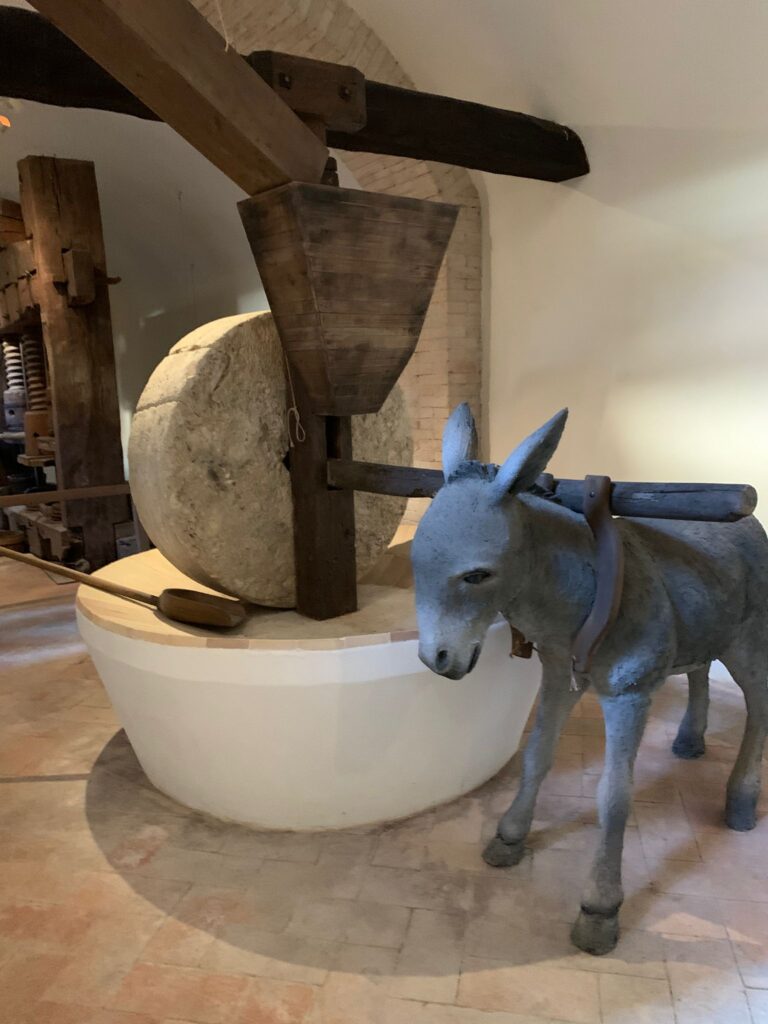
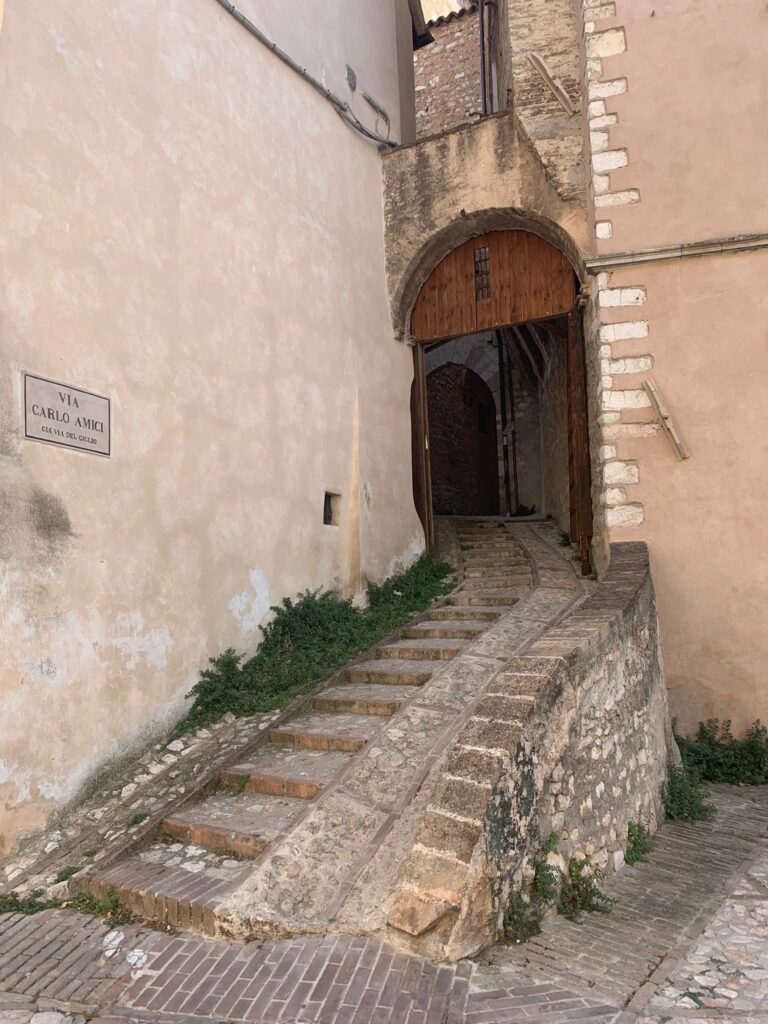
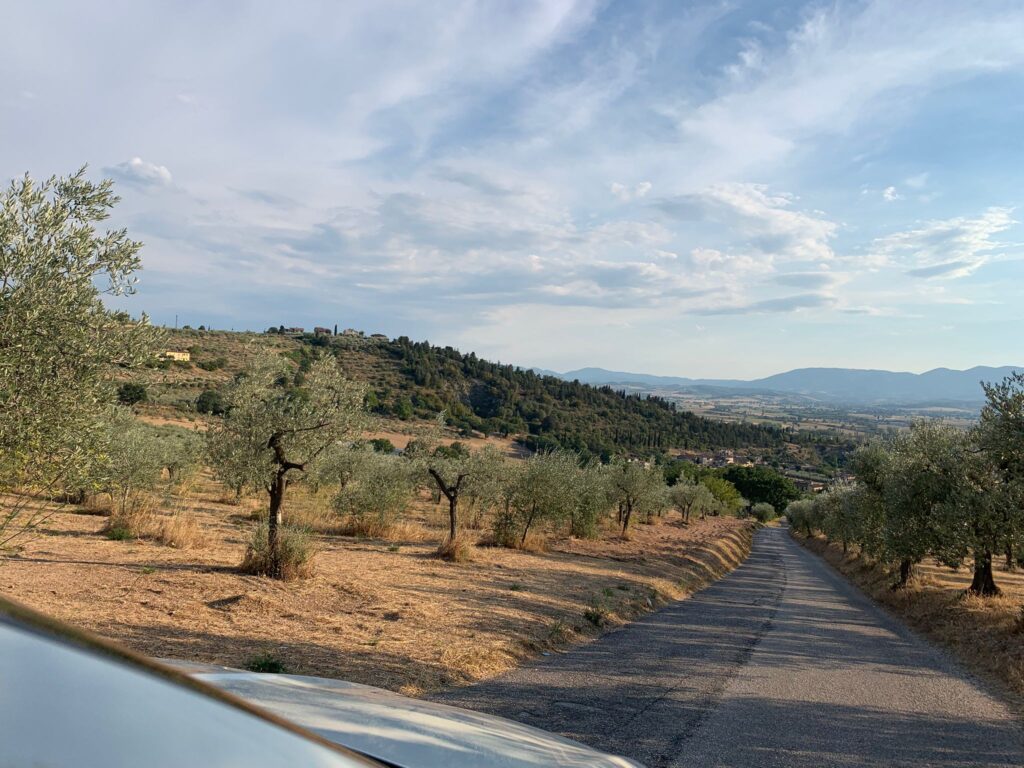

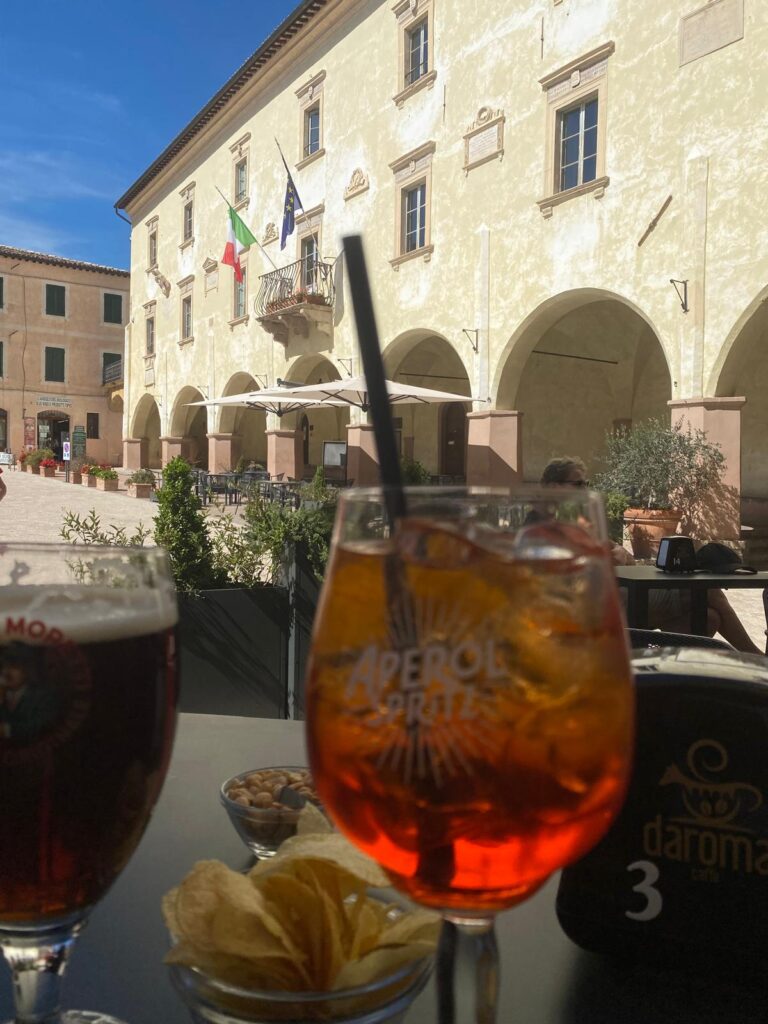


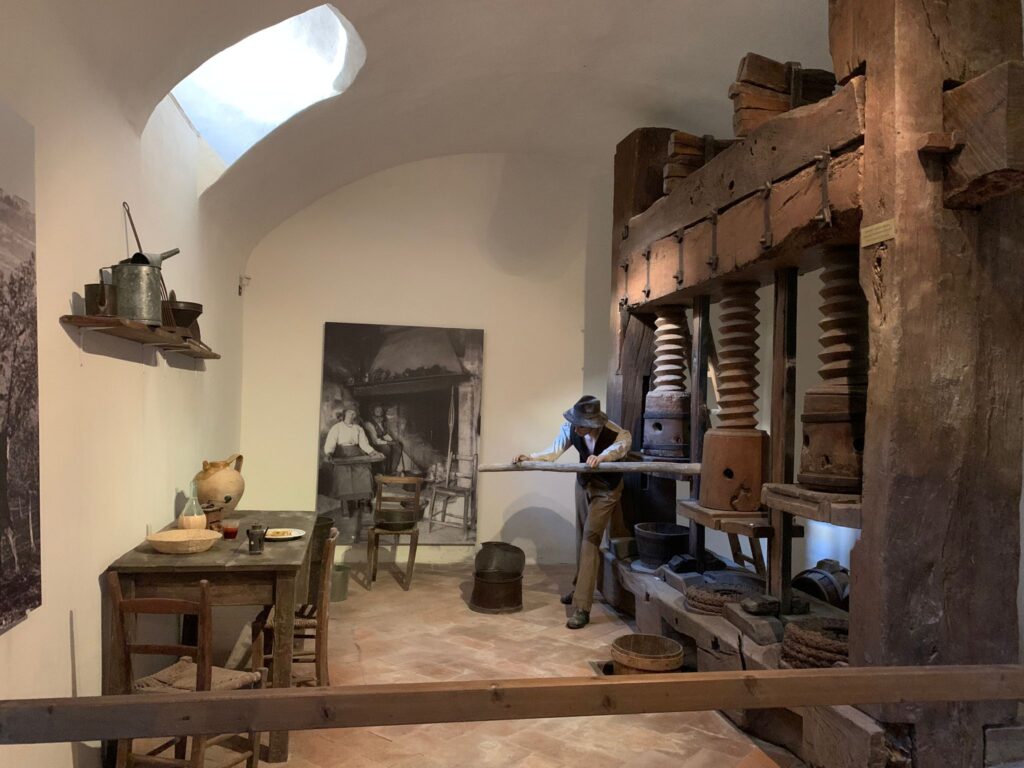
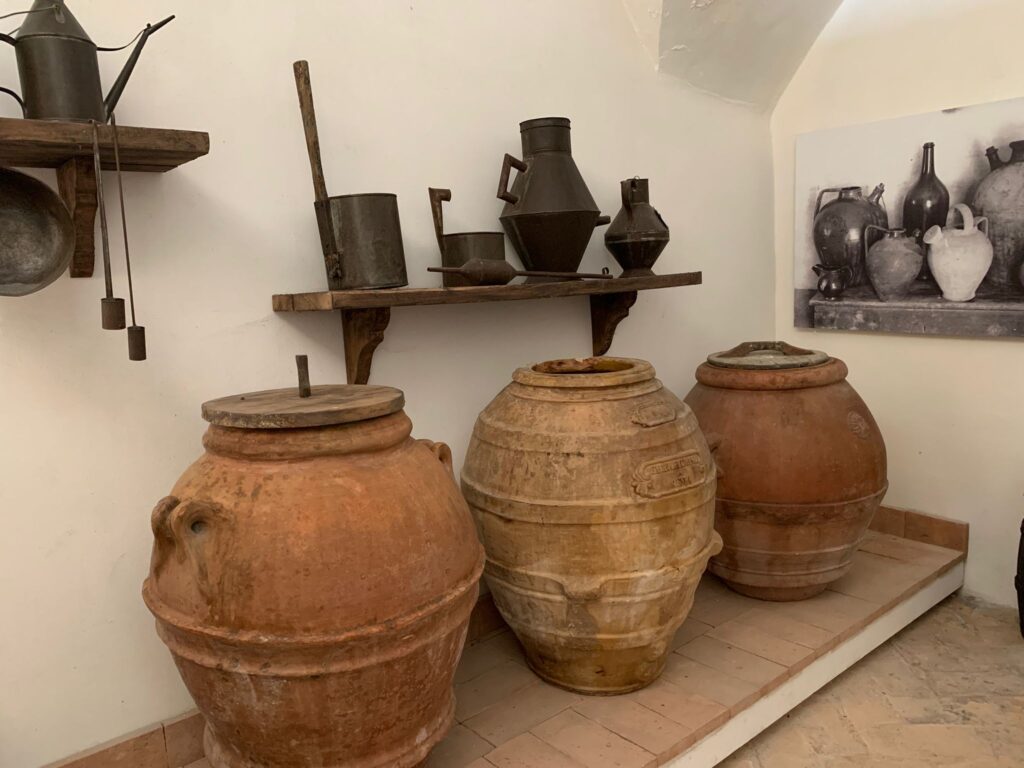
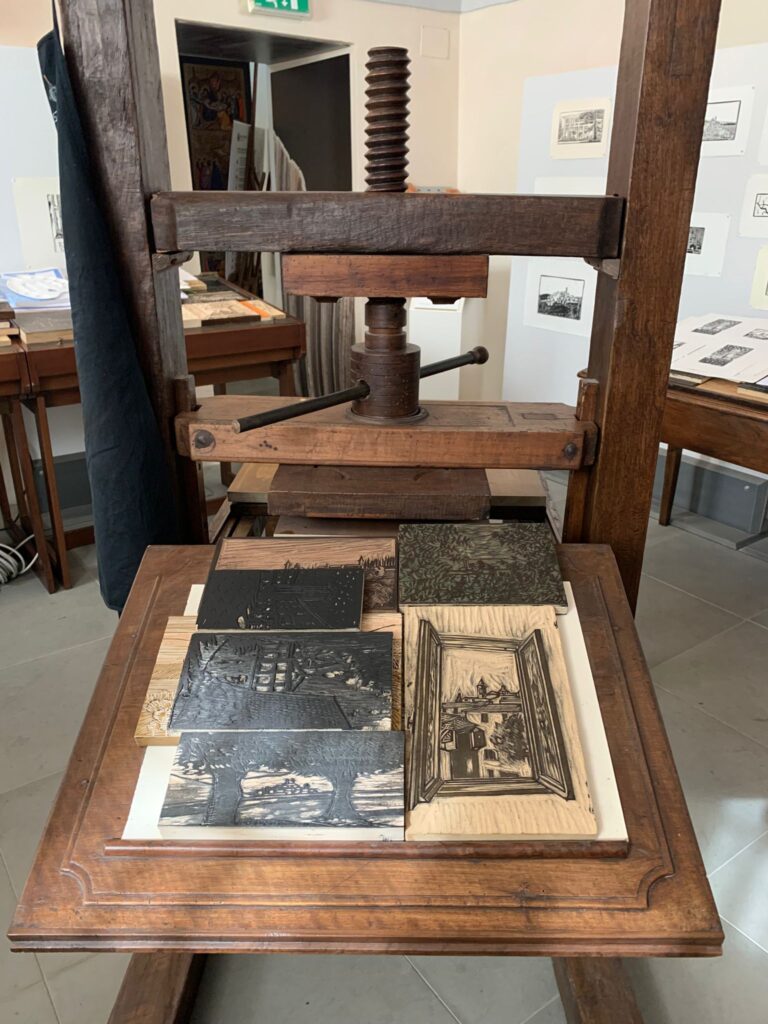
Olive oil culture in Umbria is not just a culinary detail. Historically, it has influenced agriculture, family traditions, local recipes, seasonal work and the way people live with the land. In Trevi, this tradition becomes especially visible during the harvest season, when the production of new extra virgin olive oil brings together farmers, mills, tastings and local food experiences.
One of the best-known moments to experience this atmosphere is Festivol, Trevi’s event dedicated to olive oil, local gastronomy, tastings, walks, music and cultural activities linked to the olive landscape. The official programme usually includes oil tastings, local food markets, guided walks among the olive trees and visits connected to local producers.
Visitors interested in food tourism should also visit the Museo della Civiltà dell’Ulivo, dedicated to olive oil culture and olive cultivation. The museum helps explain why olive oil is not simply a product here, but a historical language of Umbria itself.
Best Time to Visit Trevi for Olive Oil Season
The best time to visit Trevi for olive oil tourism is autumn, especially around the olive harvest and the period of the new oil. This is when the landscape, local food and cultural events feel most strongly connected.
What to See in Trevi
Trevi is a small town, but it offers enough history, art and atmosphere to make a visit meaningful rather than superficial. The best way to explore it is slowly, moving between museums, panoramic viewpoints, historic streets and quiet cultural spaces.
San Francesco Museum Complex
The San Francesco Museum Complex is one of the most important cultural stops in Trevi. Housed in a former religious complex, it brings together art, history and local identity in a setting that feels calm and intimate. Visitors enjoy it because it gives context to the town: Trevi is not only a beautiful hilltop village, but a place with deep artistic and spiritual roots.
Museum of Olive Oil Civilization
Inside the same cultural area, the Museum of Olive Oil Civilization is especially relevant for anyone interested in food tourism and local traditions. It explains how olive cultivation shaped everyday life, agriculture and the economy of Trevi. This is a practical and interesting stop before walking through the surrounding olive landscapes, because it helps visitors understand what they are actually seeing.
Villa Fabri and Panoramic Views
Villa Fabri is one of the most scenic places in Trevi. Its terraces open onto wide views of the Umbrian valley, making it a good stop for photography, quiet walking and a pause between museum visits and the historic centre. Visitors usually appreciate it for the combination of architecture, garden atmosphere and panoramic perspective.
Historic Streets and Piazzas
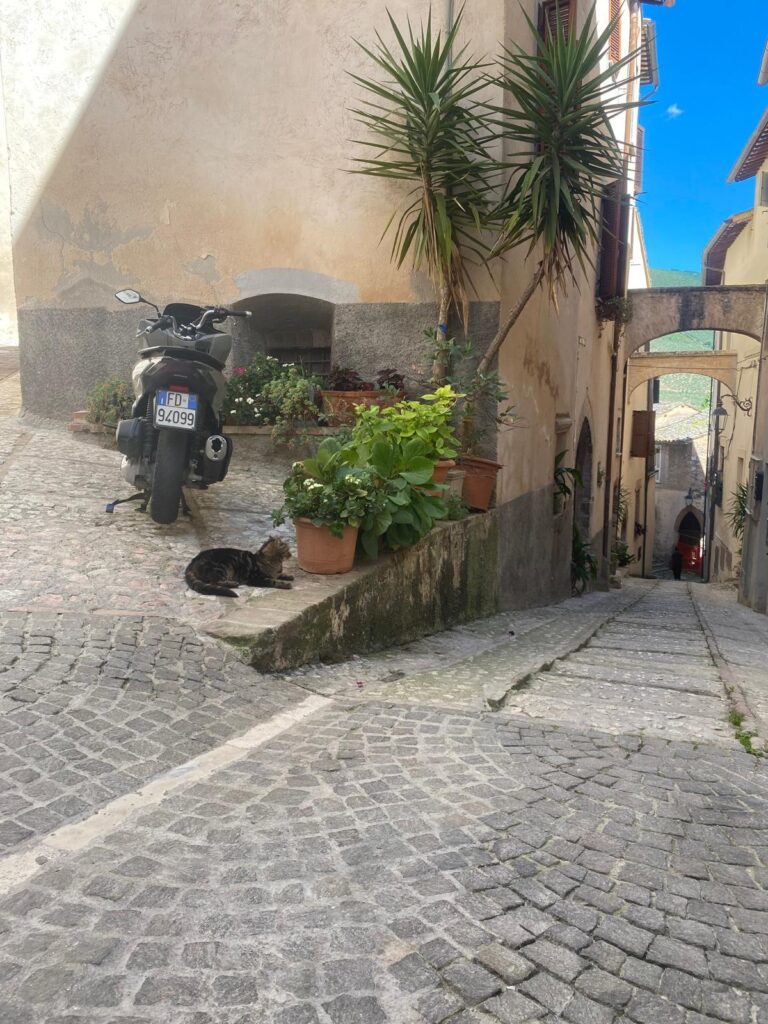
Some of the best things to see in Trevi are not single monuments, but the streets themselves. The old town is made for wandering: stone alleys, small squares, arches, balconies and sudden viewpoints create the feeling of a place still connected to daily local life. This is where Trevi’s slower atmosphere becomes most visible.
Clitunno Theater
The Clitunno Theater adds another layer to Trevi’s cultural identity. It is a small and elegant historic theatre, interesting for visitors who enjoy local architecture and less obvious cultural places. Access may depend on opening times or appointments, so it is better to check locally before planning the visit around it.
Walks, Nature and Outdoor Experiences Around Trevi
Trevi is not only a place to visit for history and olive oil. It is also a good destination for travelers who enjoy walking, photography and gentle outdoor experiences in the Umbrian countryside. The surrounding landscape is part of the town’s identity: olive groves, rural paths, open views and quiet roads make Trevi especially suitable for slow and active tourism.
One of the most interesting routes is the Sentiero degli Ulivi, a path connected to the olive landscape between Trevi, Spello and Assisi. It is ideal for visitors who want to experience Umbria on foot, without turning the day into a difficult hike. Spring and autumn are usually the best seasons, when temperatures are more comfortable and the countryside feels especially rich in color.
The area around Trevi is also attractive for cycling, countryside walks and landscape photography. Sunset views over the valley are particularly beautiful, especially from panoramic points near the historic centre. For travelers interested in movement, nature and wellbeing, Trevi fits perfectly into a wider route of active holidays in Umbria, combining culture, outdoor time and slower travel.
Is Trevi Worth Visiting as a Day Trip?
Yes, Trevi is worth visiting as a day trip, especially if you enjoy quiet hill towns, countryside views and authentic local atmosphere. It is not a destination that needs to be rushed through a checklist. A half day is enough to walk through the historic centre, visit the main cultural sites, enjoy panoramic views and stop for coffee or lunch.
Trevi is particularly easy to combine with nearby towns such as Spoleto or Montefalco. By car, the distances are short, which makes it practical for travelers planning a relaxed itinerary through central Umbria. This is one of the best ways to experience the region without spending the whole day moving from place to place.
For couples, slow travelers and visitors looking for a quieter side of Italy, Trevi offers the right balance: local culture, olive landscapes, medieval streets and a peaceful rhythm. It is best for people who want atmosphere rather than noise, countryside rather than crowds, and a more personal experience of Umbria.
Best Time to Visit Trevi
The best time to visit Trevi depends on the kind of experience you want. The town can be visited all year, but each season gives a different character to the historic centre, the olive groves and the surrounding Umbrian countryside.
Spring: Walks, Flowers and Soft Countryside Views
Spring is one of the most pleasant seasons for visiting Trevi. The weather is usually suitable for walking, the countryside becomes greener, and the olive groves are surrounded by flowers and fresh light. It is a good period for slow walks, photography and outdoor experiences.
Summer: Golden Evenings and Local Events
Summer brings warmer days, but Trevi is especially beautiful in the late afternoon and evening, when the stone streets reflect golden light and the valley views become softer. It is also a good time to enjoy local festivals and outdoor cultural events.
Autumn: Olive Harvest and Food Tourism
Autumn is the most meaningful season for olive oil tourism in Trevi. The olive harvest, new extra virgin olive oil, tastings and local food traditions make this period particularly attractive for travelers interested in Umbrian gastronomy.
Winter: Silence and Local Life
Winter is quieter and more intimate. Some services may have reduced opening times, but the town feels more local and atmospheric. It is a good season for travelers who prefer silence, empty streets and a slower view of everyday life in Umbria.
Exploring Umbria Beyond Trevi
Trevi is perfectly positioned for exploring some of the most beautiful places in central Umbria. Its location between Spoleto, Foligno and Montefalco makes it easy to build a varied itinerary with medieval towns, countryside landscapes, sacred art, wine villages and peaceful natural sites.
Spoleto is one of the strongest nearby destinations, with its cathedral, Rocca Albornoziana, Ponte delle Torri and dramatic hilltop setting. If you have limited time, our guide to what to do in Spoleto in one day can help you plan a realistic route without rushing.
Montefalco is ideal for wine lovers and panoramic views, while Bevagna offers Roman traces, medieval streets and a calmer village atmosphere. Assisi is one of Umbria’s most famous spiritual and artistic destinations, especially for visitors interested in St. Francis, basilicas and sacred landscapes.
For nature and photography, the Clitunno Springs are another excellent stop near Trevi. If you plan to continue toward Spoleto by car, check our parking and underground escalators guide for Spoleto before entering the historic area.
A Different Way to Experience the Umbrian Countryside
After visiting Trevi, Spoleto or other nearby towns, many travelers look for a different kind of pause: not another museum, not another crowded restaurant, but time outdoors in a quieter countryside setting. This is where Umbria becomes more than a destination to see – it becomes a place to slow down and breathe.
Near Spoleto, Adagio Umbro offers a private outdoor space where visitors can play tennis, enjoy simple picnic time and relax in nature by prior booking. It is not a traditional sports club, but a calm countryside experience for couples, friends and travelers who want to combine movement, fresh air and quiet surroundings.
If you are planning a day between Trevi and Spoleto, this can be a gentle way to add an active and relaxing moment to your itinerary. Learn more about our private tennis court near Spoleto.
Final Thoughts: Why Trevi Stays With You
Trevi is not the kind of place that overwhelms you. It stays in memory more quietly: a narrow stone street in the afternoon, the silver color of olive trees on the hills, a café table in a small piazza, the sound of church bells crossing the valley.
At sunset, when the light softens over the Umbrian countryside and the town becomes almost silent, Trevi reveals its strongest quality. It invites you to travel at a slower rhythm, to notice small details, and to remember Italy not only as a list of famous places, but as a feeling – calm, warm, and deeply human.
How Long Do You Need to Visit Trevi?
You can visit Trevi in half a day if you want to explore the historic centre, enjoy the panoramic views, visit the main cultural sites and stop for coffee or lunch. A full day is better if you want to walk more slowly, visit the olive oil museum, follow part of the olive grove routes and combine the town with nearby countryside experiences.
For most travelers, Trevi works best as a relaxed stop rather than a rushed checklist. If you are exploring Umbria by car, it can be easily combined with Spoleto, Montefalco, Bevagna or the Clitunno Springs, depending on the rhythm of your itinerary.
FAQs about Trevi
Yes. Trevi is worth visiting if you enjoy quiet hill towns, medieval streets, olive groves, panoramic views and authentic local atmosphere. It is especially suitable for slow travelers, couples and visitors looking for a calmer alternative to the most crowded Italian destinations.
Trevi is in Umbria, in central Italy, between Spoleto and Foligno. It is a hilltop town in the province of Perugia, surrounded by olive groves and overlooking the Valle Umbra.
A half day is enough to visit Trevi’s historic centre, enjoy the views, stop for coffee or lunch and see the main cultural sites. A full day is better if you want to visit the olive oil museum, walk more slowly and explore the surrounding countryside.
Trevi is famous for its olive groves, extra virgin olive oil, medieval streets, panoramic views and slow Umbrian atmosphere. It is also known for the Museum of Olive Oil Civilization and for its strong connection with olive oil culture.
The best things to see in Trevi include the San Francesco Museum Complex, the Museum of Olive Oil Civilization, Villa Fabri, the historic streets and piazzas, panoramic viewpoints and the Clitunno Theater.
Yes. Trevi is a good day trip in Umbria, especially by car. It can be easily combined with Spoleto, Montefalco, Bevagna, Assisi or the Clitunno Springs.
Yes, but visiting Trevi is easier by car. The train station is located below the historic centre, so reaching the old town may require a taxi, local transport or an uphill walk. By car, it is simpler to combine Trevi with nearby towns.
Spring and autumn are the best seasons to visit Trevi. Spring is ideal for walks and countryside views, while autumn is especially interesting for olive oil tourism, harvest season, tastings and local food traditions.
Trevi is usually much quieter than Italy’s most famous tourist towns. It is a good choice for travelers looking for peaceful streets, local atmosphere and a slower rhythm of travel.
Yes. Trevi is very suitable for slow tourism because it offers quiet streets, olive landscapes, local traditions, small museums, countryside walks and an atmosphere that encourages visitors to explore without rushing.
Both are good, but for different reasons. Spring is better for flowers, walking and fresh countryside views. Autumn is better for olive oil experiences, local gastronomy and the atmosphere of the olive harvest.
Near Trevi, you can visit Spoleto, Montefalco, Bevagna, Assisi, Spello and the Clitunno Springs. The area is also good for walking, photography, food tourism, wine villages and outdoor activities in the Umbrian countryside.
Yes. Trevi is a good place for food tourism, especially for visitors interested in extra virgin olive oil, local Umbrian cuisine, seasonal products and traditional food experiences connected to the surrounding countryside.
Trevi is a good alternative for travelers who like the atmosphere of central Italy but prefer quieter places, fewer crowds and a more local experience. It offers medieval streets, countryside views and authentic Umbrian character without the intensity of more famous destinations.
Yes. Trevi and Spoleto can be combined in one day, especially by car. A good itinerary could include Trevi in the morning and Spoleto in the afternoon, or the opposite, depending on where you are staying and how much time you want for museums, walks and lunch.
Stay Connected
For more updates, photos, and stories from Adagio Umbro, follow us on our social media channels: