What Is Umbria Known For? Food, Medieval Towns, Wine & Nature
Umbria is known for its medieval hill towns, historic cities, green landscapes, religious and artistic heritage, truffles, olive oil and distinctive local wines. Visitors come to places such as Spoleto, Assisi, Orvieto and Perugia, as well as smaller towns, vineyards and countryside across central Italy.
Often called Italy’s “Green Heart,” Umbria combines culture, food, wine and nature in a compact region that is particularly rewarding to explore by car.
Planning a stay in Umbria? Make Spoleto your base for exploring the region. Adagio Umbro is a boutique countryside B&B in Spoleto, approximately 3 km from the historic centre, with breakfast, private parking and a private outdoor tennis court available to staying guests by reservation.
Stay in a historic villa setting while discovering Umbria’s medieval towns, food, wine and countryside at your own pace.
Umbria at a Glance
Umbria is a landlocked region in central Italy, positioned between Tuscany, Lazio and Le Marche. Its relatively compact size makes it possible to combine historic towns, countryside, food and wine experiences within the same trip.
- Regional capital: Perugia
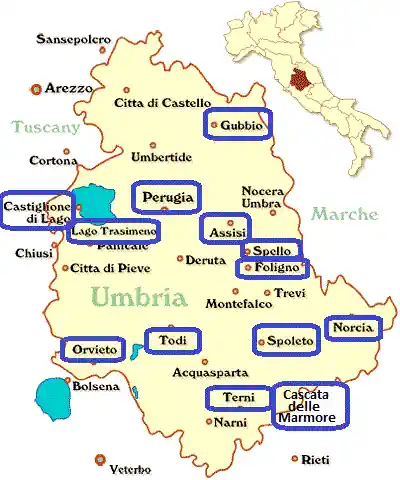
- Well-known destinations: Assisi, Spoleto, Orvieto, Gubbio, Todi and Perugia
- Landscape: wooded hills, olive groves, vineyards, valleys and the Apennine mountains
- Known for: medieval towns, religious and artistic heritage, truffles, extra-virgin olive oil, cured meats and local wines
- Best suited to: cultural trips, food and wine travel, road trips, walking and slower multi-day stays
- Getting around: trains connect several larger towns, while a car gives considerably more freedom for villages, countryside and rural accommodation
For first-time visitors, Umbria works particularly well as a region to explore from one or two bases rather than changing accommodation every night.
Why Umbria Stands Out Among Italian Regions
Located in central Italy, Umbria is often called the Green Heart of Italy because of its wooded hills, valleys, olive groves and rural landscapes. It is the only Italian region with neither a coastline nor an international border. Although it shares some visual similarities with neighbouring Tuscany, Umbria has its own history, cuisine and cultural identity.
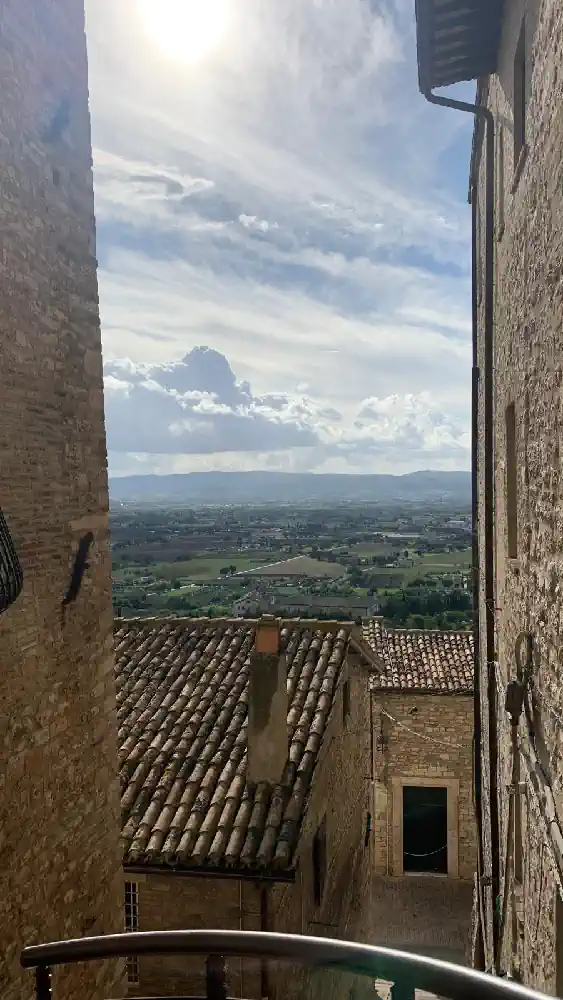
The landscape also helps explain the distinctive position of many Umbrian towns. Historic centres such as Orvieto, Todi, Narni, Trevi and Spello rise on hills, ridges or rocky outcrops, while Spoleto developed against the slopes of the Apennines. Elevated locations offered wider views over the surrounding territory and, particularly during periods of conflict, made settlements easier to defend.
Today, the result is a region of dramatic viewpoints, fortified walls and steep historic streets – but also stairs, slopes and uneven stone surfaces that travellers should expect as a normal part of exploring Umbria.
Umbria’s character comes from this close relationship between landscape and settlement. Medieval architecture, agricultural traditions and contemporary daily life exist side by side rather than as separate tourist attractions. Visitors may first know Assisi, Perugia and Orvieto, but places such as Spoleto, Bevagna, Montefalco and the Valnerina reveal other sides of central Italy.
For travellers who have already visited Italy’s major cities, Umbria also offers the opportunity to explore smaller historic centres, countryside and local traditions at a slower pace.
Ancient Cities and Medieval Hill Towns
One of the main reasons travellers visit Umbria is the concentration of historic towns within a relatively compact region. Many preserve medieval street plans, defensive walls, churches, palaces and public squares, often layered over much older Etruscan or Roman settlements.
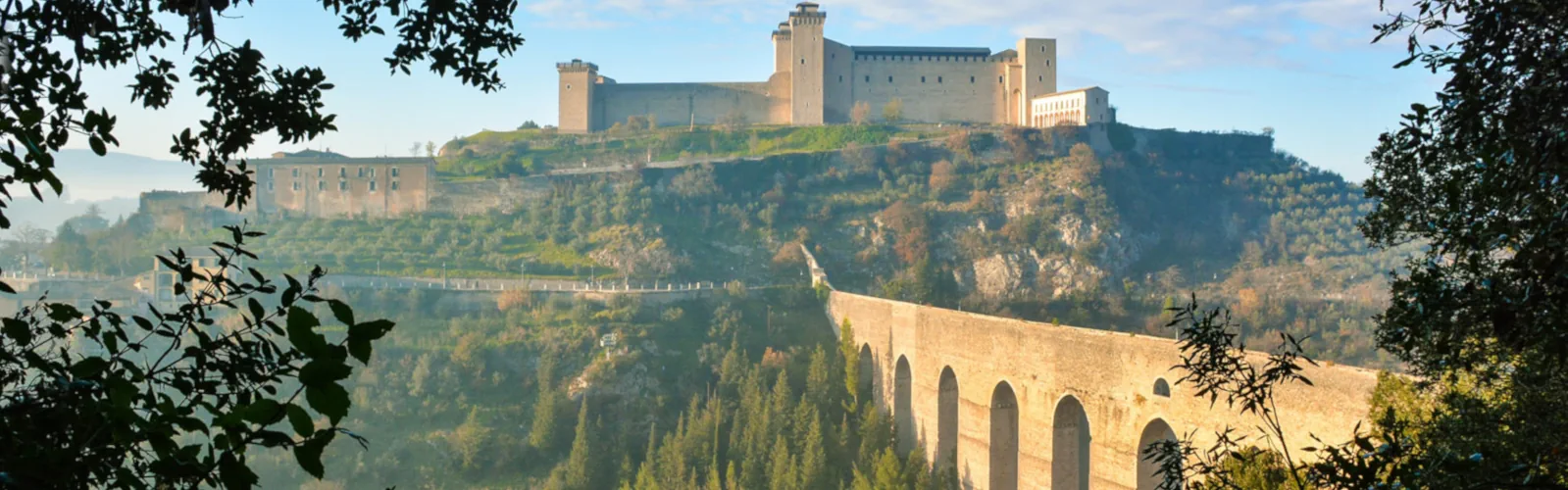
This variety means that an Umbria itinerary does not need to consist only of the region’s most famous destinations. Combining one or two major historic cities with smaller towns often gives a much better sense of how the region developed and how people still live in it today.
Umbria’s landscape is dotted with timeworn hilltop towns, each with its own history:
- Assisi: The birthplace of Saint Francis and Umbria’s best-known pilgrimage destination, recognised for the Basilica of San Francesco, medieval art and its UNESCO-listed historic and cultural landscape.
- Perugia: Umbria’s regional capital, known for its Etruscan heritage, medieval centre, historic universities and Umbria Jazz
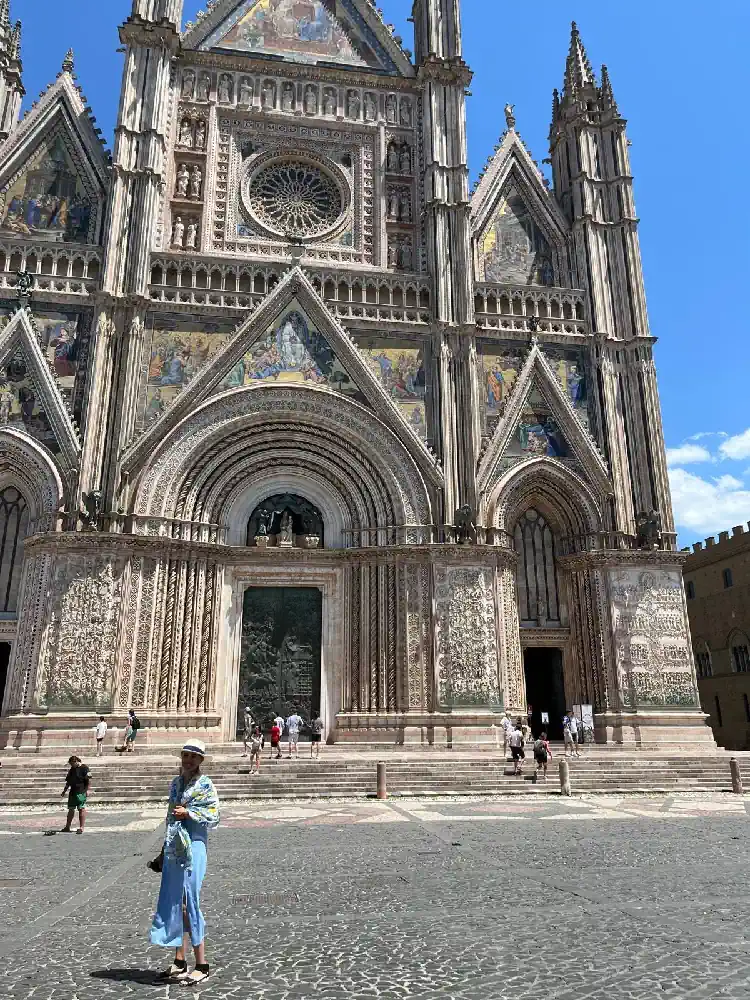
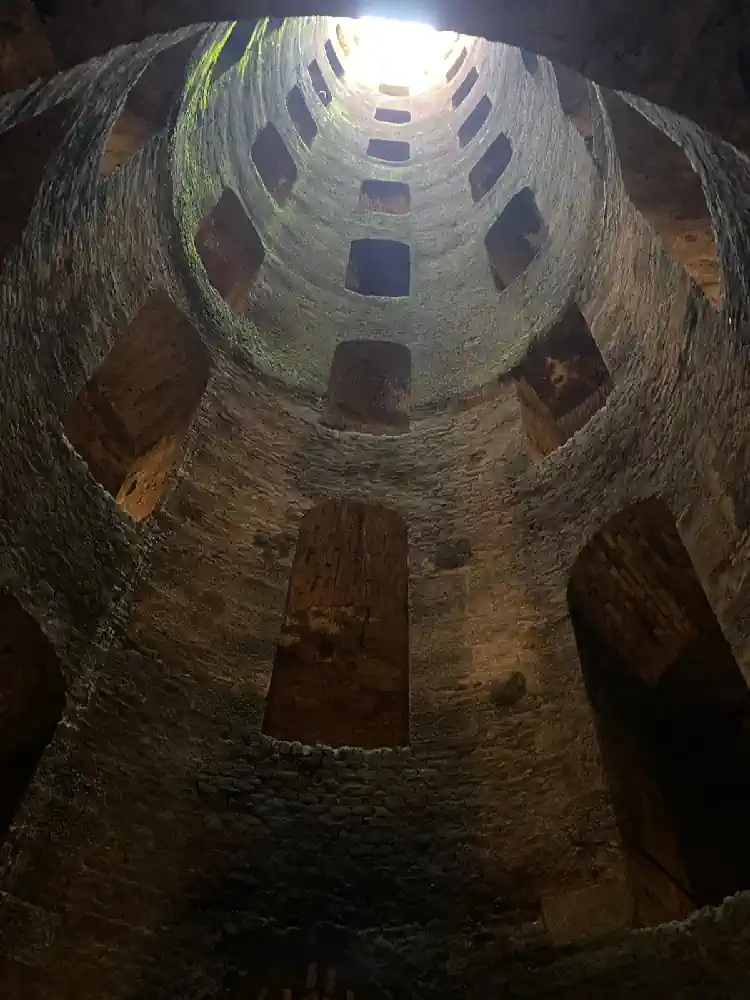
- Orvieto: A hill town built on a volcanic plateau, known for its cathedral, underground passages and the 16th-century Pozzo di San Patrizio.
- Spoleto: A historic city with Roman remains, medieval architecture, the Rocca Albornoziana and the Festival dei Due Mondi, the Ponte delle Torri bridge that will impress you!
- Trevi: A hilltop town surrounded by olive groves, known for its medieval character, extra-virgin olive oil and the Museo della Civiltà dell’Ulivo, which explores the region’s long tradition of olive cultivation and oil production.
- Todi: A hill town overlooking the Tiber Valley, known for Piazza del Popolo, medieval civic buildings and the Renaissance church of Santa Maria della Consolazione.
- Montefalco: A walled hill town known for panoramic views, Sagrantino wine and frescoes by Benozzo Gozzoli in the Museo di San Francesco.
- Narni: A historic hill town above the Nera Valley, known for its medieval centre, Roman heritage and the guided Narni Underground route. It can be combined with Carsulae, San Gemini or Marmore Falls.
UNESCO World Heritage Sites in Umbria
Umbria is represented in two UNESCO World Heritage properties. The best known is Assisi, recognised for the Basilica of San Francesco, its medieval art, Franciscan sites and surrounding cultural landscape. The second is the serial property Longobards in Italy: Places of the Power (568–774 AD), which includes important early medieval monuments in Spoleto and nearby Campello sul Clitunno.
Assisi and Its Franciscan Sites
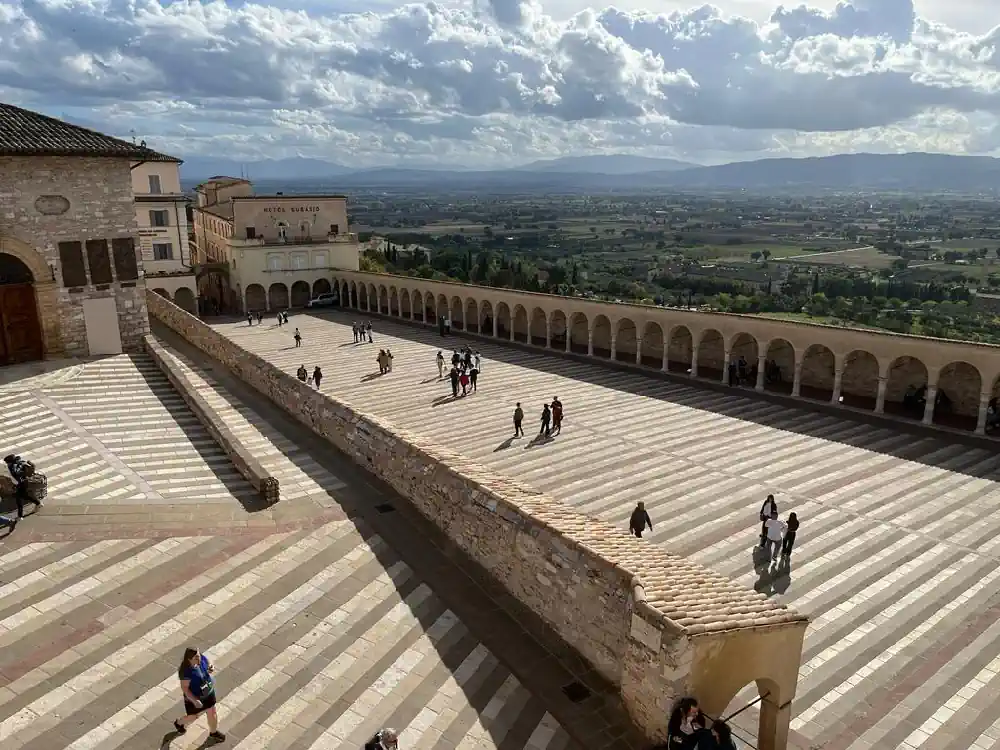
Assisi was added to the UNESCO World Heritage List in 2000. The designation includes the Basilica of San Francesco and other places associated with Saint Francis, as well as the historic town and its relationship with the surrounding landscape. Beyond its religious importance, Assisi contains major works by medieval artists including Giotto, Cimabue, Pietro Lorenzetti and Simone Martini.
The Lombard Heritage of Spoleto
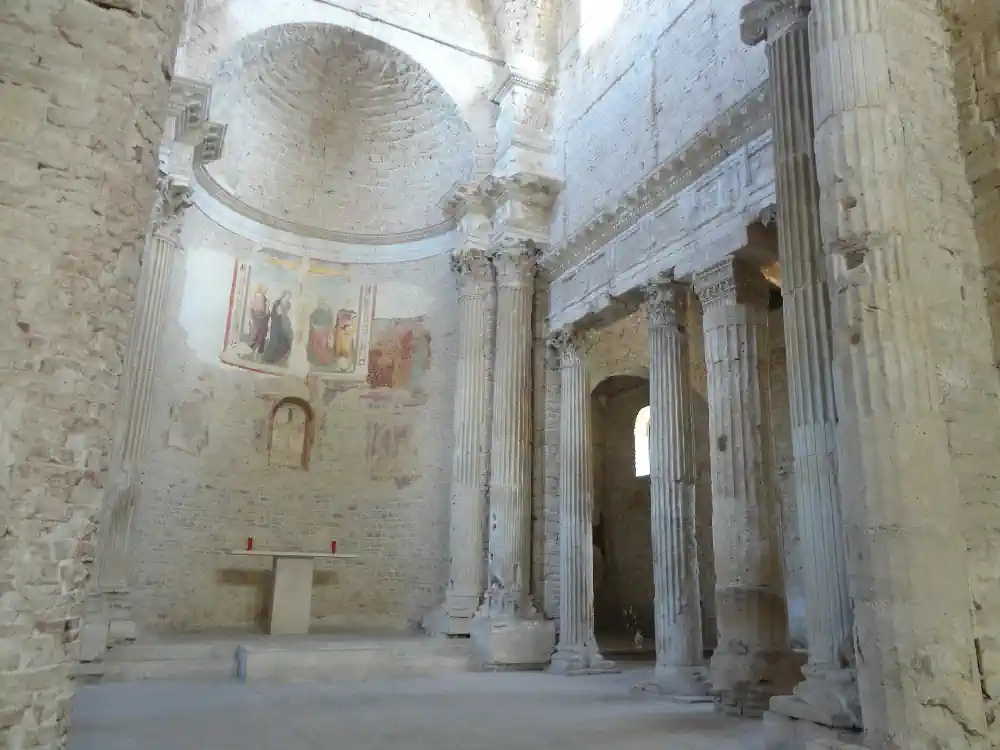
Spoleto was once the capital of an important Lombard duchy. The Church of San Salvatore in Spoleto forms part of the UNESCO property Longobards in Italy: Places of the Power, inscribed in 2011. Its architecture combines Classical Roman, early Christian, Byzantine and Lombard influences, illustrating the cultural transition from antiquity to the European Middle Ages.
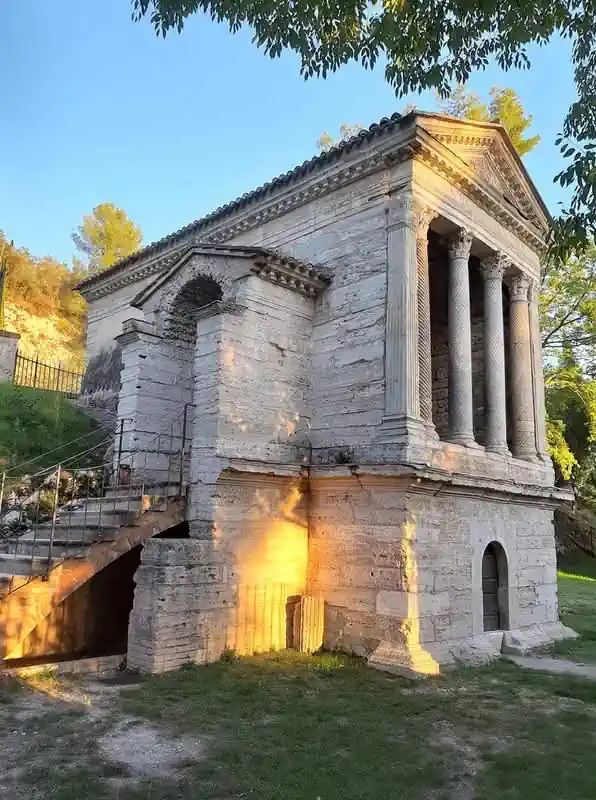
The Tempietto del Clitunno
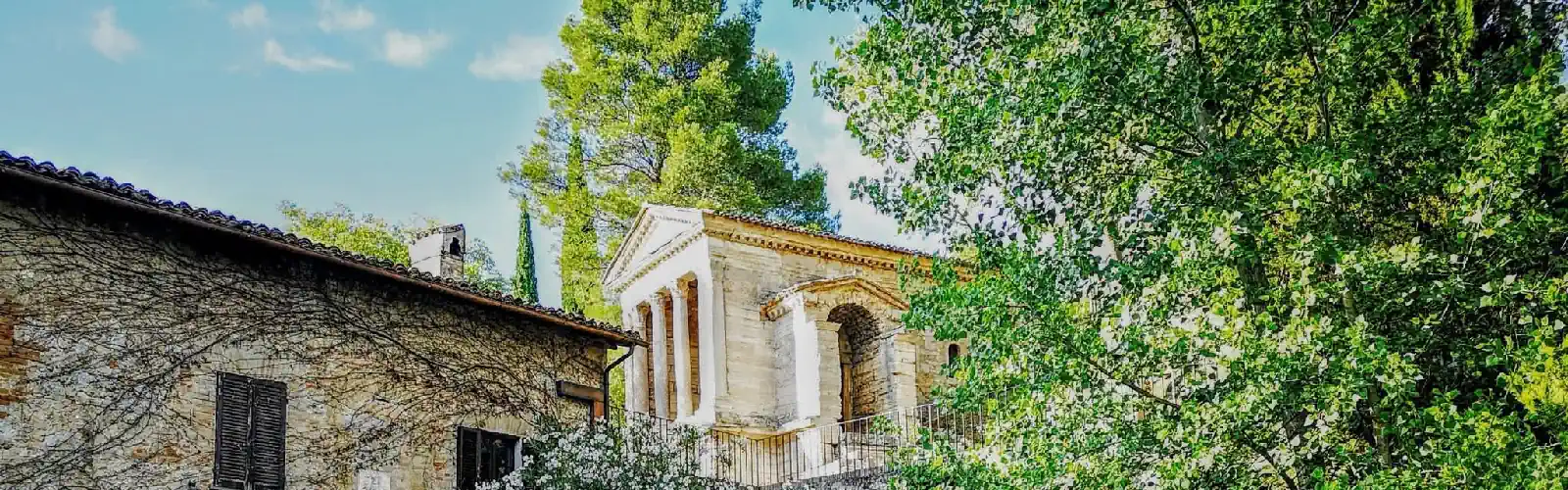
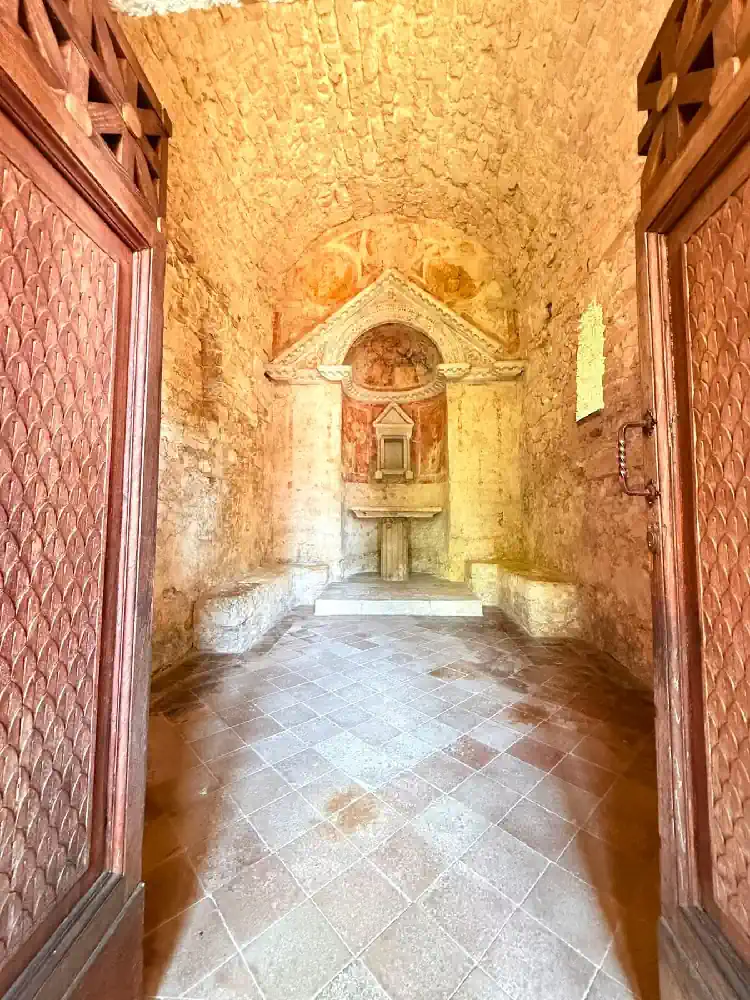
The same UNESCO property includes the Tempietto del Clitunno at Campello sul Clitunno, a small early medieval Christian building designed to resemble a Classical Roman temple. Together, the Tempietto and San Salvatore reveal why the Spoleto area is so important for understanding Lombard history in central Italy.
Travellers staying near Spoleto can connect these two Lombard monuments in one local itinerary and visit Assisi separately as a day trip. Before travelling, check current access and opening information on the official websites, as restoration work and visiting conditions may change.
What About Orvieto Cathedral?
Orvieto Cathedral is not currently a UNESCO World Heritage Site, but it remains one of Umbria’s most significant monuments. Construction began in 1290, and the cathedral is celebrated for its richly decorated façade, mosaics and the Chapel of San Brizio, whose fresco cycle includes major works by Luca Signorelli. Rising above the surrounding landscape on Orvieto’s volcanic plateau, it is also one of the clearest examples of how Umbria’s architecture and dramatic hilltop geography are closely connected.
Handicrafts: Ceramics, Textiles, and Woodwork
Umbria is widely known for its high-quality artisan craftsmanship, a tradition that has survived intact from the Middle Ages to today. Travellers who visit the region quickly notice how much local identity is expressed through handmade objects, natural materials, and traditional decorative arts.
The region’s most famous artisanal traditions include:
- Deruta ceramics -globally renowned since medieval times for their hand-painted majolica, unique colours, and refined patterns.
- Majolica from Gubbio and Orvieto – rich in historical motifs, metallic lusters, and Renaissance designs.
- Montefalco textiles – natural fabrics and traditional weavings produced using old looms and centuries-old techniques.
- Woodworking, olive-wood crafts, and ironwork – typical of mountain villages and Umbrian valleys.
Travellers love bringing home authentic Umbrian-made souvenirs, as they are original, handcrafted, and made to last – not mass-produced or industrial.
At Adagio Umbro, we proudly support these traditions.
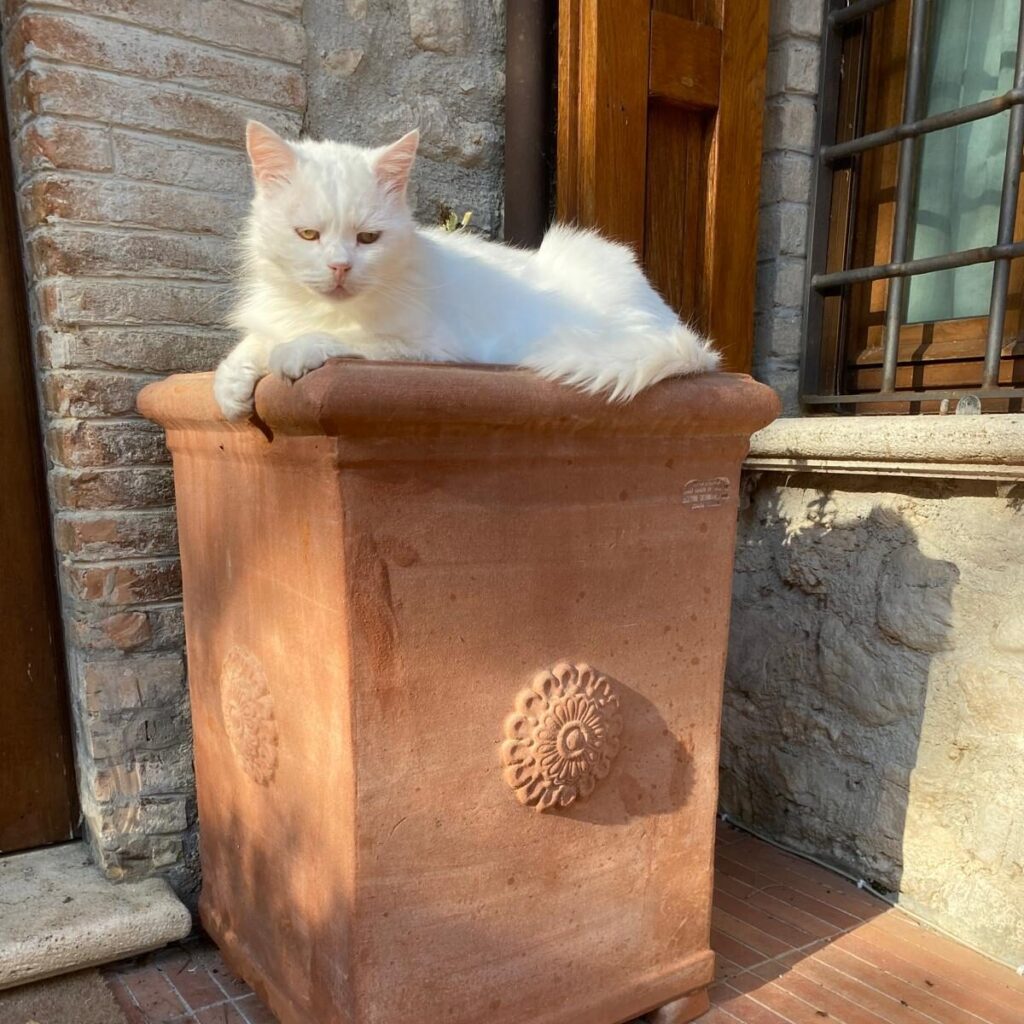
Our outdoor ambience is decorated with handmade Deruta ceramic pots, chosen for their beauty, craftsmanship, and connection to the local culture.
Inside our spaces, we use natural fabrics woven in Umbria, celebrating regional textile heritage and adding warmth and authenticity to every corner.
These details are not just aesthetic choices – they reflect Umbria’s identity: a region where craftsmanship, nature, and tradition come together in everyday life.

Food and Culinary Traditions of Umbria
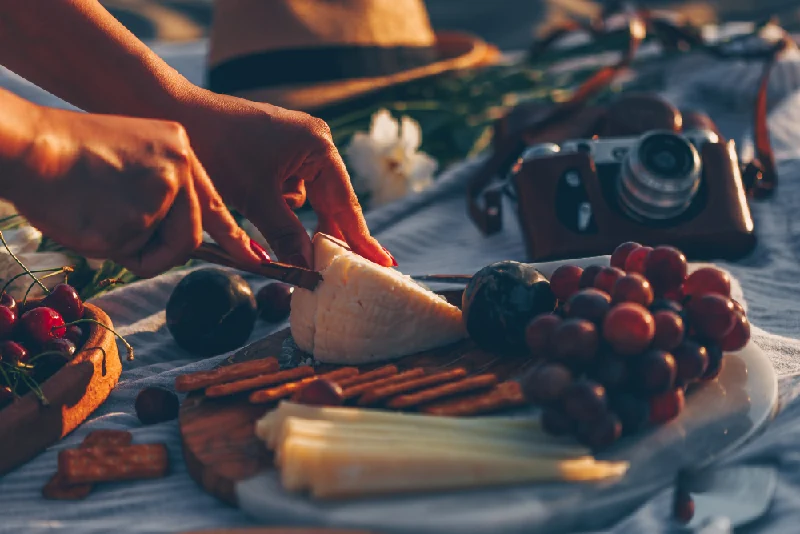
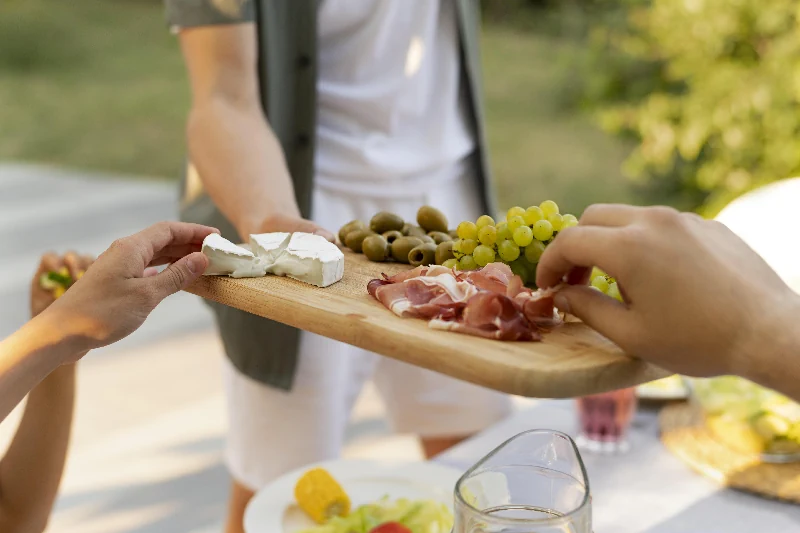
Umbrian cuisine is based on seasonal ingredients, agriculture and recipes traditionally associated with rural life. Its flavours are generally earthy and uncomplicated, with truffles, legumes, cured meats, cheese, olive oil and locally produced wine playing an important role.
- Black truffles from the areas around Norcia, Spoleto and the Valnerina, commonly served with pasta, eggs, meat or toasted bread.
- Lenticchia di Castelluccio di Norcia IGP, prized for its small size and delicate skin. Lentil dishes can be suitable for vegetarians and vegans, although visitors should ask whether they have been prepared with meat or meat stock.
- Prosciutto di Norcia and other cured meats, together with local pecorino and other regional cheeses.
- Extra-virgin olive oil produced from the olive groves surrounding Spoleto and other parts of Umbria.
- Traditional local dishes such as strangozzi pasta, soups made with legumes or farro, grilled meats and torta al testo, an Umbrian flatbread served with different fillings.
The region’s food is closely connected to its landscape and seasons, so menus often change according to the availability of truffles, vegetables and other local produce. Vegetarians can usually find dishes based on lentils, beans, farro and vegetables, but it is sensible to confirm how soups and sauces are prepared.
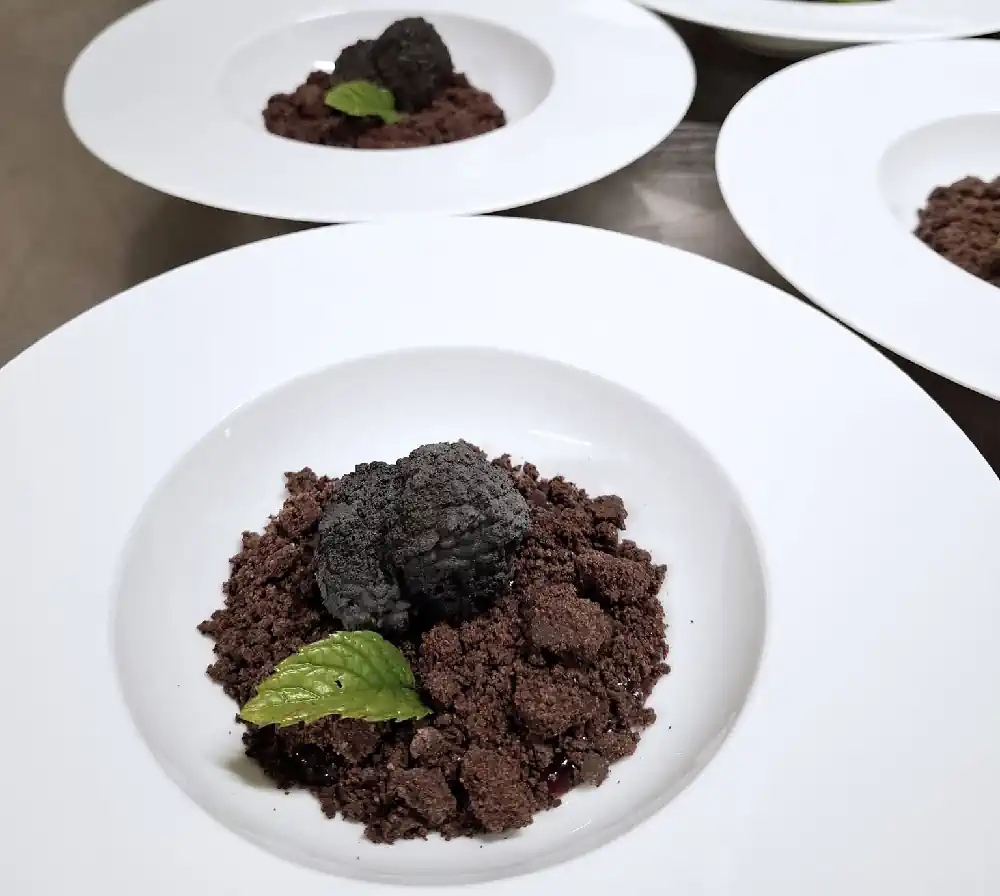
Truffle tasting at Tipico restaurant near Spoleto
If you are looking for a traditional restaurant near Spoleto, we recommend Tipico: Cucina & Trebbiano Spoletino. The restaurant serves Umbrian dishes and offers an opportunity to discover local wines, including Trebbiano Spoletino. As menus and opening times can change, booking directly with the restaurant is advisable.
From November to January, during the local truffle-hunting season, Tipico traditionally organises tasting lunches featuring seasonal truffles, Umbrian dishes and local wines. Dates and menus vary each year, so advance booking is recommended.
Tipico is located approximately five minutes away on foot, reached by a short countryside walk beneath mature oak trees. Guests staying at Adagio Umbro can ask us for current information and assistance with reserving a table or a seasonal truffle-tasting lunch.
Wines to Try in Umbria
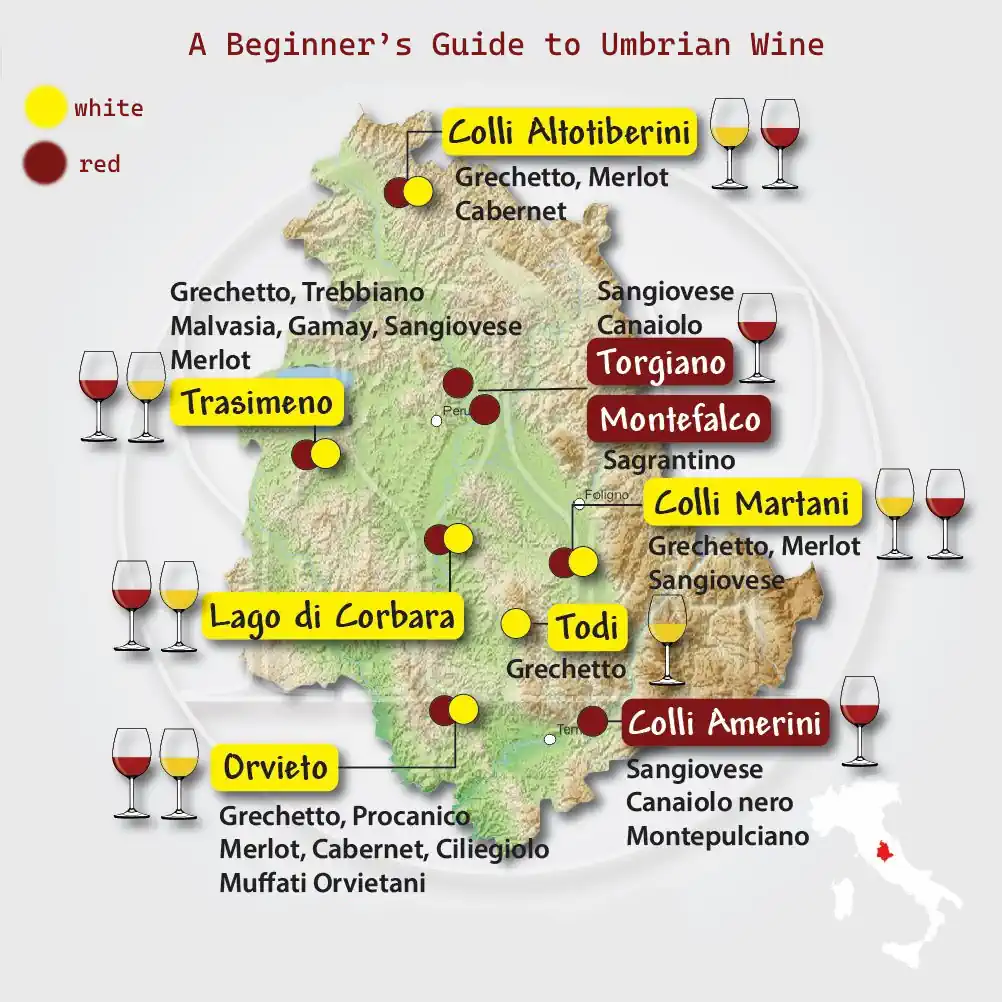
Umbria produces distinctive wines from both native and widely cultivated grape varieties. For travellers interested in wine, the areas around Spoleto, Montefalco, Torgiano and Orvieto provide useful reference points for winery visits, tastings and choosing regional wines in restaurants.
Trebbiano Spoletino deserves particular attention when visiting the Spoleto area. This white grape is cultivated only in Umbria and almost exclusively across the territory between Spoleto, Foligno and Montefalco. It is strongly associated with the Spoleto DOC denomination and can produce fresh, aromatic wines with pronounced acidity, as well as more structured and sparkling styles
Other Umbrian wines worth knowing include:
- Montefalco Sagrantino DOCG – produced from Sagrantino grapes and known for its structure, concentration and pronounced tannins. Both dry and passito styles are produced.
- Montefalco Rosso DOC – generally a more approachable red wine from the Montefalco area and a useful introduction to the local wine landscape.
- Orvieto DOC – one of Umbria’s best-known white-wine denominations, associated with the area surrounding Orvieto.
- Torgiano Rosso Riserva DOCG – a structured red wine associated with the Torgiano area, south of Perugia.
For travellers staying around Spoleto, wine tourism does not necessarily require travelling far across the region. The Spoleto–Montefalco area combines Trebbiano Spoletino, Sagrantino, olive-growing landscapes and historic towns, making it possible to include a winery visit within a wider day exploring central Umbria.
Winery visits and tastings often require advance reservation, particularly outside the main tourism season. If you are driving, plan tastings carefully: choose a designated driver or arrange transport when visiting several wineries.
Sagre, Food Festivals and Local Events in Umbria
Local festivals are an important part of life in Umbria. Throughout the year, towns and villages organise sagre, food festivals, historical reenactments, wine events and seasonal celebrations connected to local products and traditions.
A sagra is usually a local festival centred on a particular food, agricultural product or traditional dish. Depending on the event, visitors may find communal dinners, food stalls, music, markets and activities organised by local associations. For international travellers, sagre can be one of the easiest ways to experience everyday local culture beyond the main tourist attractions.
Food and wine events are especially common from late summer through autumn. This is the season of grape harvests, new olive oil, truffles and many village celebrations. One of the best-known regional examples is Frantoi Aperti, held across several Umbrian towns and olive-producing areas to celebrate the new extra-virgin olive oil harvest. Umbria’s official tourism portal also lists seasonal food events, village festivals, historical reenactments and cultural festivals throughout the region.
Larger cultural events form another part of the regional calendar. Spoleto is internationally associated with the Festival dei Due Mondi, while other towns host music, theatre, historical and gastronomic events at different times of year.
Because dates and programmes change annually, it is better to check events shortly before travelling rather than relying on an old printed calendar.
For current events around Spoleto and elsewhere in the region, see our Events & News in Spoleto and Umbria page, where we publish selected events that may be useful when planning a stay.
At Adagio Umbro, we collect interesting events, festivals and sagre around Spoleto and Umbria to help travellers discover what is happening during their visit.
Explore upcoming events and sagre in Umbria →
How to Search for Sagre in Umbria
Local events are not always promoted in English. When searching online, try these Italian phrases:
- sagre in Umbria
- sagre vicino a Spoleto – sagre near Spoleto
- sagre questo weekend in Umbria – sagre in Umbria this weekend
- eventi enogastronomici in Umbria – food and wine events in Umbria
- feste paesane in Umbria – village festivals in Umbria
Do not expect every sagra to be polished or designed for international visitors – that is part of its appeal. Menus may be available only in Italian, kitchens often open in the evening, and ordering or payment arrangements vary between events. Check the programme before travelling, arrive early at popular festivals and carry some cash in case smaller stands do not accept cards. A car is usually the easiest way to reach rural events.
Festivals and Celebrations Found Across Umbria
Umbria hosts several internationally recognised cultural and traditional events. Dates change annually, and accommodation may become limited during the principal festival periods.
- Festival dei Due Mondi: an international performing-arts festival held in Spoleto, with theatre, music, dance and visual arts.
- Umbria Jazz: a major jazz festival held principally in Perugia during summer.
- Infiorate di Spello: elaborate floral compositions created through the streets of Spello for the feast of Corpus Christi.
Religion and Spiritual Pilgrimage in Umbria
Umbria’s religious heritage is closely associated with Saint Francis, Saint Clare and Saint Benedict. Pilgrimage routes, monasteries, hermitages and historic churches form an important part of the region’s cultural landscape.
- Basilica of Saint Francis of Assisi A UNESCO World Heritage Site.
- San Damiano Monastery Where Saint Clare lived.
- Hermitages tucked into forested cliffs Quiet places for reflection.
This spiritual dimension adds depth to Umbria’s already profound charm.
Nature and Outdoor Experiences in Umbria
Umbria’s reputation as the Green Heart of Italy is not only about its scenery. Much of the region can be explored on foot, by bicycle or through outdoor activities that combine countryside, mountains, rivers and historic villages.
Close to Spoleto, the Valnerina follows the Nera River through a landscape of wooded mountains and small settlements. The area offers hiking, cycling, climbing and water-based activities, while the Nera River Park includes trails around some of southern Umbria’s most distinctive natural landscapes.
One of the region’s best-known natural attractions is the Marmore Falls (Cascata delle Marmore) near Terni. The waterfall can be explored through several walking paths and viewpoints inside the park. Because water release schedules can affect the appearance of the falls, visitors should check current opening and water-release times before travelling.
Further east, the Monti Sibillini offer more mountainous landscapes around Norcia, Preci and Castelluccio. Walking routes cross high pastures, forests and valleys, while the Castelluccio plateau is particularly well known for its seasonal flowering.
Other outdoor experiences across Umbria include:
- hiking and countryside walks;
- road and mountain cycling;
- rafting and other river activities in the Valnerina;
- rock climbing around areas such as Ferentillo;
- walking through olive-growing landscapes and rural villages;
- exploring regional parks and nature reserves.
For travellers staying in or around Spoleto, this combination is particularly convenient: historic sightseeing can be alternated with days in the Valnerina, the Marmore Falls or the Sibillini Mountains without turning the trip into a purely outdoor holiday.
If outdoor activities are an important part of your trip, see our Active Holidays in Umbria: Hiking, Cycling and Tennis guide for more practical ideas.
Oak Trees in Umbria: Symbols of Strength and Continuity
Oak trees are a characteristic part of the Umbrian landscape, appearing in woodlands, fields and around historic rural properties. Their broad canopies provide shade, while old trees create valuable habitats for birds, insects and other wildlife. For centuries, oaks have also formed part of the region’s agricultural and pastoral landscape.

Already Staying Elsewhere?
Adagio Umbro’s outdoor tennis court can also be reserved separately by visitors who are not staying at the B&B. Advance reservation is required, and racquets and balls are available.
What Most Umbria Guides Don’t Tell You
Umbria rewards slower travel, but its geography and historic town planning can surprise first-time visitors. A little preparation makes a considerable difference – especially when choosing accommodation, planning day trips or travelling during the warmer months.
- Hills, stairs and uneven surfaces are normal. Many Umbrian historic centres were built on hills, ridges or rocky outcrops. Steep streets, stone steps and uneven paving are part of their character, but they can be tiring for travellers with limited mobility, heavy luggage or unsuitable footwear.
- Historic centres frequently have ZTL restrictions. A Zona a Traffico Limitato restricts unauthorised vehicle access, often using cameras to record number plates. Never follow navigation software into a historic centre without checking the signs, permitted hours and parking arrangements.
- Five towns in one day is not a realistic Umbria experience. Distances may look short on a map, but winding roads, parking and walking uphill take time. One substantial town – or two nearby smaller places – is usually a more enjoyable day plan.
- Summer sightseeing requires sensible timing. July and August afternoons can be very hot, particularly on exposed streets and climbs. Begin outdoor visits earlier, allow time for lunch and rest, and return outside during the cooler late afternoon or evening.
- Spring and autumn are often more comfortable for walking. Temperatures are generally better suited to exploring towns and countryside routes, although rain, trail conditions and shorter daylight hours should still be considered.
- “Central” does not always mean accessible. Before reserving accommodation, check the distance from parking, the number of stairs, whether there is a lift and whether the property can be reached by car. This is especially important when travelling with reduced mobility or substantial luggage.
- Spoleto changes during the Festival dei Due Mondi. The festival brings performances, visitors and a much livelier atmosphere to the city. Accommodation and restaurants may fill earlier, while traffic, parking and access around performance venues can become more complicated. Travellers coming specifically for the festival should reserve well in advance; those looking for a particularly quiet stay should check the festival dates before booking.
- A car is often the easiest way to explore the countryside. Trains connect several larger towns, but rural accommodation, small villages, walking routes and vineyards may be difficu
These details are not reasons to avoid Umbria. They explain how to experience it more comfortably: plan fewer stops, verify access before arrival and leave enough time to enjoy each place rather than treating the region as a checklist.
Do You Need a Car in Umbria?
You do not necessarily need a car to visit Umbria, but having one gives considerably more freedom if you want to explore smaller towns, countryside, wineries and rural accommodation.
Several important destinations can be reached by train or by combined train-and-bus services. The regional tourism authority lists integrated connections for places including Spoleto, Assisi, Orvieto, Narni and the Marmore Falls, and Umbria also has regional bus services between towns.
For a trip focused mainly on larger towns such as Perugia, Assisi, Spoleto and Orvieto, travelling by public transport can work well with careful planning. Spoleto, for example, has a dedicated Spoleto Link connection combining train, bus and the city’s mechanised mobility system between the railway station and the historic centre.
A car becomes much more useful if your itinerary includes:
- small hill towns and villages;
- wineries and olive-oil producers;
- countryside restaurants;
- rural accommodation;
- the Valnerina and more remote natural areas;
- several destinations in the same day;
- travelling with substantial luggage.
Driving also allows travellers to choose accommodation outside historic centres, where parking is often easier and day trips can begin without first navigating pedestrian zones or city-centre traffic.
However, having a car does not mean driving directly into every historic centre. Many Umbrian towns have ZTL restricted-traffic areas, so it is usually better to park outside the protected centre and continue on foot or by local transport.
For travellers planning an Umbria road trip, the most practical approach is often to choose one well-positioned base with reliable parking and explore different parts of the region on day trips rather than changing accommodation every night.
Where Should You Base Yourself in Umbria?
The best base in Umbria depends on which part of the region you want to explore and whether you are travelling by car or public transport.
For many visitors, choosing one or two bases works better than changing accommodation every night. Umbria is compact enough for day trips, but travel times, parking and hill-town access still need to be considered.
Perugia and Assisi
Perugia is useful for travellers who want a larger city, public transport connections and access to northern and central Umbria. Assisi is particularly convenient for travellers whose priority is the Basilica of San Francesco and the surrounding Franciscan sites.
Both are connected by rail, and Assisi has an integrated train-and-bus connection to the historic centre.
Orvieto
Orvieto is a practical choice for travellers approaching Umbria from Rome or exploring the south-western part of the region. The railway station is connected with the historic centre by funicular, making it one of the easier Umbrian hill towns to visit without a car.
Spoleto
Spoleto is well positioned for exploring central and southern Umbria. From here, travellers can combine the city itself with the Valnerina, Montefalco, Bevagna, Trevi, Campello sul Clitunno and other destinations without repeatedly changing accommodation.
Spoleto also has rail connections and an integrated connection between the railway station and historic centre, while current regional transport services link Spoleto with destinations such as Norcia.
Montefalco and Bevagna
The Montefalco–Bevagna area can suit travellers whose trip is focused mainly on wine, olive oil, countryside and smaller historic towns. It is particularly relevant for exploring the Sagrantino wine area and the central Umbrian countryside.
Choosing Your Base
When deciding where to stay in Umbria, consider more than the town itself. Check:
- which places you realistically want to visit;
- whether you will have a car;
- parking availability at your accommodation;
- access to restaurants in the evening;
- stairs, hills and luggage access;
- whether you prefer a historic centre or countryside setting;
- how much driving you are comfortable doing each day.
For travellers with a car, a base slightly outside a historic centre can offer easier parking and simpler departures for day trips. Travellers relying mainly on trains may prefer accommodation with convenient access to a railway station or reliable local transport.
There is no single base that works equally well for every Umbria itinerary. The most useful choice is the one that reduces unnecessary travel while keeping the places you most want to visit within comfortable day-trip distance.
Why Spoleto Works as a Base for Central and Southern Umbria
Spoleto is a particularly practical base for travellers who want to combine historic towns, countryside, food and wine, and outdoor experiences without changing accommodation every night.
The city itself deserves time rather than being treated only as a place to sleep. Its Roman remains, medieval streets, cathedral, Rocca Albornoziana and strong cultural identity make Spoleto one of Umbria’s important historic centres. The regional tourism authority describes it as one of the region’s major cities of art, with a history extending from ancient Umbrian settlement through the Roman and Lombard periods to the present day.
Its location also makes several different parts of Umbria accessible for day trips.
To the north and north-west, travellers can reach places such as Trevi, Montefalco and Bevagna, combining historic centres with olive-growing landscapes and the Sagrantino wine area. Montefalco lies among vineyards and olive groves and forms part of the Sagrantino wine route together with neighbouring municipalities including Bevagna.
To the east, Campello sul Clitunno, the Valnerina, Scheggino, Norcia and the Sibillini area offer a very different landscape of rivers, wooded mountains and smaller settlements. This makes it possible to alternate cultural sightseeing with walking, food experiences and outdoor activities.
Further south, travellers can plan excursions towards Terni and the Marmore Falls, while Assisi, Spello and other central Umbrian destinations can be included on longer day trips.
For visitors travelling by car, this variety is one of Spoleto’s main advantages as a base: several different types of Umbria can be explored from the same accommodation – historic towns one day, wine country the next, and the Valnerina or mountain landscapes after that.
Spoleto can therefore work particularly well for travellers planning three or more days in Umbria, especially those who prefer a slower itinerary and want to return to the same accommodation each evening rather than repacking every day.
It is not necessarily the best base for every itinerary. Travellers concentrating primarily on Perugia, Lake Trasimeno or northern Umbria may find another location more convenient. But for central and southern Umbria, Spoleto offers a useful balance between cultural interest, road access and proximity to countryside destinations.
If Spoleto sounds like a good base for your trip, the next decision is whether to stay in its historic centre or in the surrounding countryside. Our detailed guide to where to stay in Spoleto compares both options, with practical advice on accommodation, transport and choosing a location that suits your plans.
Where to Stay Near Spoleto: Boutique B&B Adagio Umbro
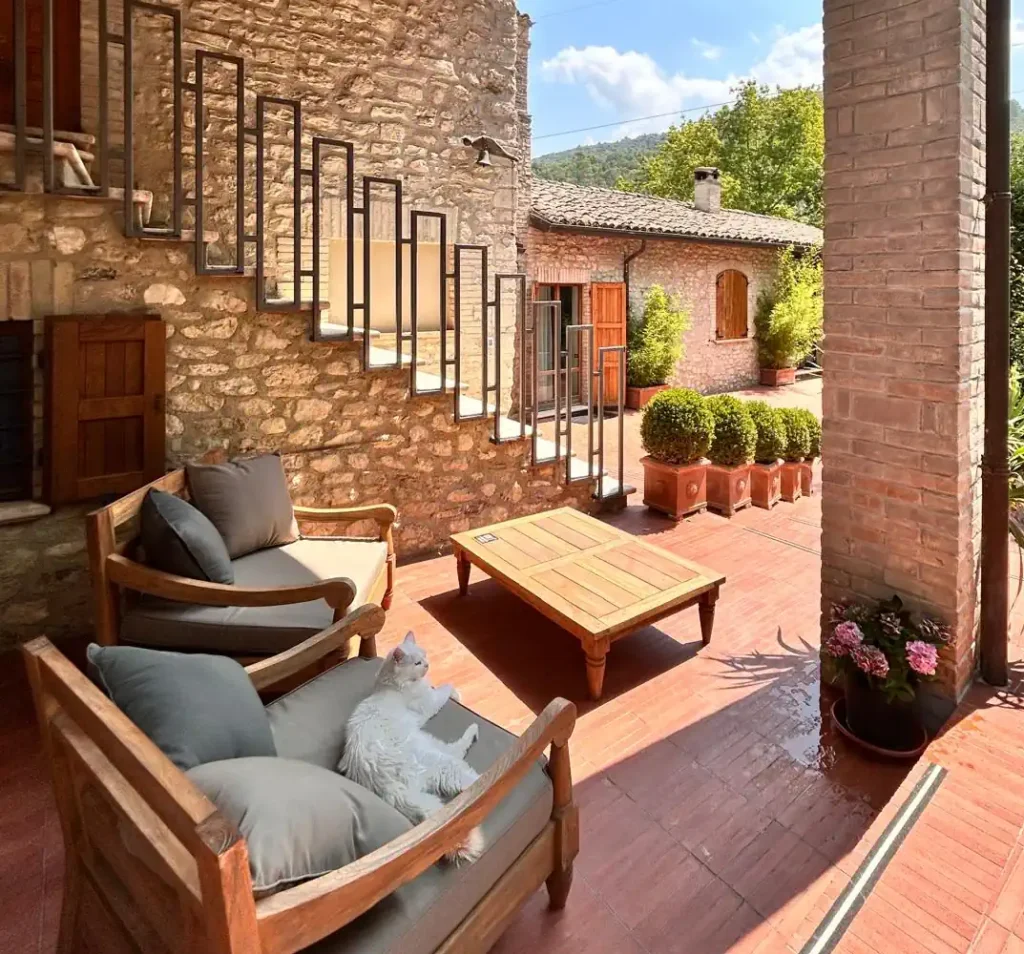
For travellers who decide to use Spoleto as a base for exploring Umbria, Adagio Umbro is an independently managed B&B in the countryside near the city, with a deliberately limited number of guest rooms and a focus on personal attention and professional service.
Guests have breakfast included, private bathrooms reserved for each room, Wi-Fi, air conditioning and free internal parking. The location is particularly practical for travellers exploring Umbria by car, while Spoleto’s historic centre is approximately 3 km away.
An outdoor tennis court is also available to B&B guests by reservation, offering an additional activity between sightseeing days.
See our rooms and accommodation near Spoleto or check availability directly on the Adagio Umbro website.
A Safe, Intimate, and Affordable Alternative to Tuscany
Many travellers choose Umbria because:
- It’s less crowded
- It’s more affordable
- It offers authenticity and silence
- Hotels, B&Bs, and agriturismi are smaller and family-run, more authentic and less tourist focused than in Tuscany
- Food and wine quality is extremely high
- Landscapes resemble Tuscany – wilder and greener
For visitors planning their stay, Umbria also offers a wide variety of accommodation facilities, from boutique hotels to country houses and agriturismi. The region is especially appreciated for its small-scale, family-run B&Bs, historic villas, and nature-immersed guesthouses — a hospitality style that prioritises peace, comfort, and personal attention rather than mass tourism. Travellers who prefer intimate stays often choose Bed and Breakfasts, where the atmosphere is slower, more authentic, and closely connected to local culture.
Frequently Asked Questions About Visiting Umbria
Umbria is famous for its medieval hill towns, religious and artistic heritage, green countryside, truffles, extra-virgin olive oil and local wines. Assisi is internationally associated with Saint Francis, while towns such as Spoleto, Orvieto, Perugia, Gubbio and Montefalco reflect different periods of the region’s history.
Umbria is known for historic towns, rural landscapes, food and wine traditions and a slower style of travel than many of Italy’s major city destinations. It is often called the Green Heart of Italy because of its wooded hills, valleys, olive groves and countryside.
Yes. Umbria is particularly rewarding for travellers interested in history, food, wine, countryside and smaller Italian towns. It works well both for first-time visitors to central Italy and for travellers who have already visited Italy’s best-known cities and want to explore a different side of the country.
For a first visit, three to five days allows time to explore several towns without rushing. A longer stay of a week makes it easier to combine historic centres with wine areas, countryside, the Valnerina and outdoor destinations.
Travellers staying around Spoleto can comfortably spend several days combining the city with places such as Montefalco, Bevagna, Trevi, Campello sul Clitunno and the Valnerina.
Spoleto, Assisi, Spello, Perugia and Orvieto provide a good introduction to Umbria. Spoleto combines Roman, medieval and cultural heritage; Assisi is known for its Franciscan sites; Spello for its historic streets and frescoes; Perugia for museums and Etruscan history; and Orvieto for its cathedral and underground heritage.
Not necessarily. Larger destinations including Perugia, Assisi, Spoleto and Orvieto can be reached by public transport, although connections may require planning.
A car is considerably more useful for smaller towns, wineries, countryside restaurants, rural accommodation and destinations in the Valnerina or other less-connected areas. Travellers driving in Umbria should also be aware of ZTL restricted-traffic zones in many historic centres.
Yes, particularly for central and southern Umbria. Spoleto combines its own important historic and cultural attractions with convenient access to Montefalco, Bevagna, Trevi, the Valnerina, Campello sul Clitunno and other countryside destinations.
It is especially practical for travellers who prefer to stay in one place for several nights and make day trips rather than moving accommodation every day.
Umbria is particularly associated with black truffles, Prosciutto di Norcia and other cured meats, Lenticchia di Castelluccio di Norcia IGP, extra-virgin olive oil, pecorino, strangozzi and torta al testo.
Regional cooking is strongly seasonal, so restaurant menus often change throughout the year according to local produce, truffles and agricultural traditions.
April to June and September to October usually offer comfortable conditions for sightseeing, walking and driving between towns. July and August bring festivals and longer days but can be hot, while autumn is associated with wine, olive oil and truffle traditions. Winter is quieter, although some attractions, restaurants and rural services may have reduced opening hours.
Umbrian cuisine is known for black truffles, extra-virgin olive oil, legumes, cured meats, grilled meats and simple pasta dishes based on local ingredients. Regional wines include Montefalco Sagrantino DOCG, Montefalco Rosso DOC, Trebbiano Spoletino, Orvieto DOC and Torgiano Rosso Riserva DOCG.
The best place to stay depends on the planned itinerary. Perugia suits travellers interested in a larger city, Assisi is convenient for pilgrimage and heritage visits, and Orvieto works well for northern Lazio and southwestern Umbria. Spoleto is a practical base for exploring central and southern Umbria, including Spello, Montefalco, the Valnerina and Marmore Falls. Travellers arriving by car may prefer countryside accommodation outside the historic centre, with parking and easier road access.
A sagra is a traditional Italian community festival, often dedicated to a local food, agricultural product, regional recipe or seasonal tradition. The closest English translation is “local food festival” or “village festival”, although a sagra may also include communal dining, music, dancing and other activities. The plural is sagre. In Umbria, these festivals are especially common from late spring through autumn.
Many local festivals are advertised only in Italian, so travellers should search for phrases such as sagre in Umbria, sagre vicino a Spoleto or eventi enogastronomici in Umbria. Dates and programmes change each year and should be checked before travelling. Adagio Umbro also collects selected events, festivals and sagre around Spoleto and Umbria for visitors planning their stay.
Stay Connected
For more updates, photos, and stories from Adagio Umbro, follow us on our social media channels:
Written and reviewed by the hosts of Adagio Umbro in Spoleto. Last reviewed: September 2026. Destination details, event dates and access conditions may change; consult official websites before travelling.