Where to Stay in Umbria: Which Town Is the Best Base?
Choosing where to stay in Umbria is not always straightforward. The region may look compact on a map, but its hill towns, winding country roads and scattered villages can make a real difference to how much you enjoy your holiday.
The best base depends on what you want to do once you arrive. If you plan to travel by train, you will probably want somewhere with good connections and restaurants within walking distance. If you are renting a car, you have more freedom to stay outside the towns, explore the countryside and return to the same accommodation each evening.
We run a small countryside B&B near Spoleto, so naturally we know and appreciate this part of Umbria. But Spoleto is not the right base for every trip. In this guide, we compare eight areas and explain what each offers, including the practical details that are easy to overlook when booking accommodation.
Looking for a countryside stay or B&B in Umbria?
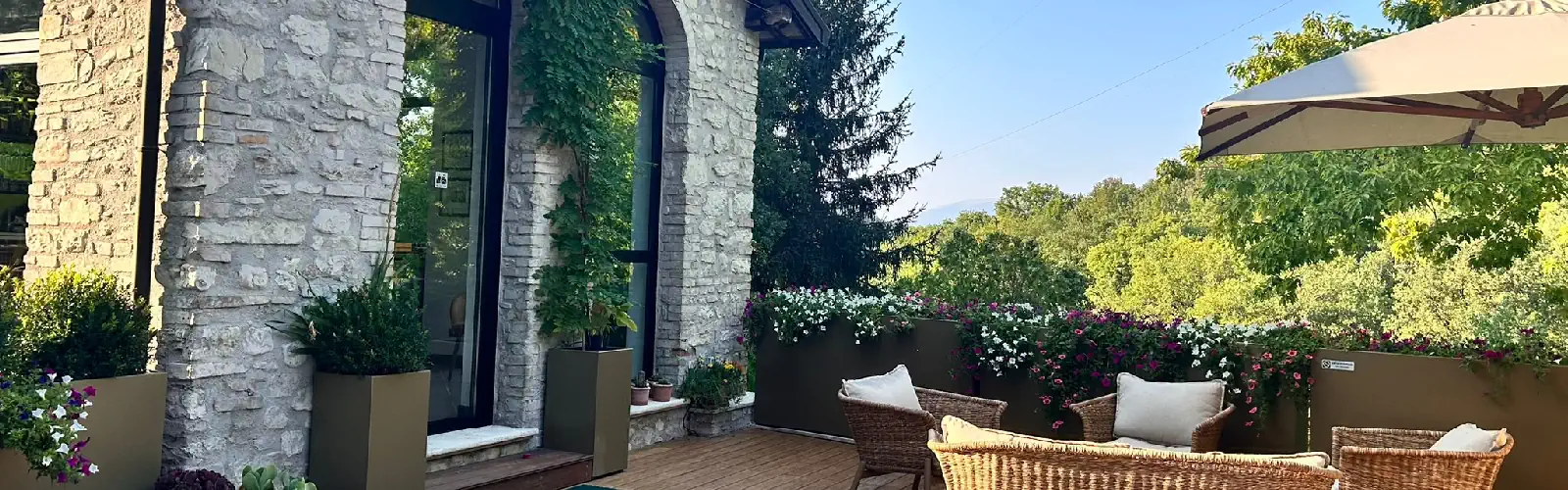
If you prefer a smaller property with a historic setting, consider staying near Spoleto. The town offers cultural attractions and convenient access to central and southern Umbria. At Adagio Umbro, guests can enjoy homemade breakfast, landscaped gardens and a tennis court included in their stay. Read our guide to staying in Spoleto or explore Adagio Umbro’s guest rooms.
Choosing the Right Base for Your Umbria Holiday
Perugia is a practical choice for first-time visitors who want restaurants, cultural attractions and good transport connections. Assisi suits travellers interested in medieval architecture, art and religious heritage, while Orvieto is particularly convenient for a short stay from Rome.
For visitors planning to explore Umbria by car, Spoleto offers an attractive alternative. Its historic centre is worth visiting in its own right, and its location makes it a convenient base for discovering Trevi, Montefalco, Bevagna and the Valnerina without changing accommodation every night.
If you prefer countryside accommodation, consider a smaller B&B, historic villa or agriturismo outside the main towns. Adagio Umbro, just 3 km from Spoleto’s historic centre, offers an adults-oriented stay in a historic countryside property, with homemade breakfast, private parking, gardens and a tennis court included for guests.
For a closer comparison, read our guide to staying in Spoleto: historic centre or countryside, or explore Adagio Umbro’s rooms and check availability.
Already looking for a charming hotel in Umbria?
Best Towns to Stay in Umbria: Which Base Should You Choose?
The best town to stay in Umbria depends on whether you are travelling by car, relying on public transport, or planning a short city break.
Perugia is convenient for public transport and city life, Assisi for religious heritage and medieval atmosphere, Orvieto for short trips from Rome, and Spoleto for exploring central and southern Umbria by car.
For wine and countryside experiences, consider Montefalco, Bevagna or Todi. Nature lovers may prefer the Valnerina or Lake Trasimeno.
For those interested in discovering Umbrian wines, Adagio Umbro in Spoleto also offers private wine tastings directly at the property, allowing guests to enjoy local wines in a peaceful countryside setting.
Compare the main destinations below to find the best base for your itinerary.
| Base | Best for | Car? | Main trade-off |
|---|---|---|---|
| Perugia | First visits, public transport, city life, museums | Not essential | Larger and busier than the smaller hill towns |
| Assisi | Art, pilgrimage, medieval atmosphere, short stays | Not essential for the town | Busy by day and very focused on Assisi itself |
| Orvieto | Arrivals from Rome, rail trips, compact historic centre | Not essential for a short stay | Less central for exploring the whole region |
| Spoleto | Road trips, culture, southern/central Umbria, walking and active stays | Helpful | Further south than Perugia/Assisi for northern Umbria |
| Montefalco & Bevagna | Wine, countryside, slow travel | Recommended | Public transport is less convenient for touring |
| Todi | Quiet hill-town atmosphere, couples, road trips | Recommended | Fewer rail-based options than Perugia or Orvieto |
| Norcia & Valnerina | Hiking, mountains, food, outdoor travel | Recommended | Less convenient for classic Perugia-Assisi sightseeing |
| Lake Trasimeno | Lake stays, slower travel, northern/western Umbria | Helpful | Not the most efficient base for southern Umbria |
Is It Better to Stay in Perugia or Assisi, Italy?
Perugia is generally better for travellers seeking city life, restaurants and public transport connections, while Assisi is ideal for those interested in medieval architecture, religious heritage and a quieter atmosphere in the evenings.
Perugia offers more urban amenities and transport options, making it a practical base for exploring northern and central Umbria without a car. Assisi is particularly appealing for shorter stays focused on the Basilica of Saint Francis, historic streets and cultural experiences.
However, travellers planning to explore the Umbrian countryside by car should also consider Spoleto, which offers access to Montefalco, Trevi, Bevagna and the Valnerina, as well as historic attractions of its own.
Ultimately, the best choice depends on whether you prefer city convenience, cultural sightseeing or countryside exploration.
While Assisi is one of Umbria’s most famous destinations and attracts large numbers of tourists and pilgrims, Spoleto remains one of the region’s lesser-known gems. Assisi’s historic centre can become crowded during peak tourist seasons, whereas Spoleto offers a more relaxed atmosphere while retaining its authentic Italian character. Often overlooked by international visitors, Spoleto is a hidden gem in Umbria, with Roman heritage, medieval architecture, cultural events and beautiful surrounding countryside. For travellers looking to discover a less touristy side of Italy, Spoleto is an appealing alternative to the region’s better-known destinations.
Current tourism data also helps explain why practical arrival information matters. In the second quarter of 2026, Regione Umbria reported that international visitors represented 34% of arrivals and more than 41% of overnight stays; the United States was the leading foreign market, followed by Germany, Great Britain, the Netherlands, France and Poland. Lazio was the leading Italian source region. See the Regione Umbria tourism data.
Best Places to Stay in Umbria by Travel Style
Perugia: Best for Public Transport, City Life and a First Regional Base
Perugia is the regional capital and one of the easiest bases for travellers who do not want to depend on a car. It offers museums, restaurants, evening life and stronger rail and bus connections than most smaller Umbrian towns. The historic centre is hilly, but urban transport and escalators make movement easier than in many hill towns.
Choose Perugia if your priority is convenience, public transport and access to a larger city. It is especially practical for first-time visitors who want to see Assisi and other central Umbrian destinations without changing accommodation every night.
Assisi: Best for Art, Pilgrimage and a Short Atmospheric Stay
Assisi works well for travellers whose trip is centred on the Basilica of Saint Francis, medieval streets, religious heritage and art. It is easy to understand as a destination and rewarding for one or two nights, particularly once day visitors leave.
For travellers without a car, the main practical point is that the railway station is below the historic hill town at Santa Maria degli Angeli, so the final connection is by bus or taxi. Assisi is a strong destination in its own right, but it is not always the most flexible base for a wider road trip. Staying at Adagio Umbro without a car is also possible, provided transport is arranged in advance. Guests arriving at Spoleto railway station should contact us before booking or travelling to discuss transfers and their plans for getting around the area. Contact Adagio Umbro.
Orvieto: Best for a Short Umbria Stay from Rome
Orvieto is one of the simplest Umbrian towns to add to a Rome itinerary because it lies on the Rome–Florence rail corridor. Its historic centre is compact, the station connects with the upper town by funicular, and the Duomo, underground sites and Etruscan heritage make it suitable for a focused one- or two-night stay.
If your question is “where to stay in Umbria for a weekend from Rome without renting a car?”, Orvieto is often the most straightforward answer. If you want to explore a broader part of Umbria, however, another base or a car becomes more useful.
Spoleto: Best for a Historic City, Countryside and Road-Trip Base
Spoleto combines a substantial historic centre with access to countryside and southern Umbria. The city has Roman remains, the Cathedral, the Rocca Albornoziana, the Ponte delle Torri and the Festival dei Due Mondi, while the surrounding landscape leads toward the Valnerina, Montefalco, Trevi and other towns that work well in a car-based itinerary.
It is also on the Rome–Ancona railway, so Spoleto can be reached without driving. For travellers who want to stay outside the historic centre, explore villages and countryside, carry sports equipment or make several day trips, a car gives much more flexibility.
Read the detailed guide to staying in Spoleto: historic centre or countryside.
One countryside option in Spoleto: Adagio Umbro is a boutique B&B in a historic villa approximately 3 km from the historic centre. It may suit adult travellers arriving by car or motorcycle, couples, solo travellers, cyclists and quiet small groups who value breakfast, secure internal parking, green outdoor space and a private tennis court. The surrounding area is also suitable for woodland walks, hiking and recreational cycling. Compare rooms and check direct availability.
Montefalco and Bevagna: Best for Wine and Slow Countryside Travel
Montefalco and Bevagna suit travellers who want wine, olive-growing landscapes, smaller towns and a slower pace. They are particularly attractive on a road trip because the surrounding countryside and wineries are easier to reach by car than by public transport.
Choose this area if the stay itself is part of the experience and you prefer rural evenings to a larger city. It is less practical if you plan to rely mainly on trains.
Todi: Best for a Quiet Hill-Town Base
Todi is a good match for travellers who want a quieter hill town with a central position for road trips. It is attractive for couples and repeat visitors to Italy who are less interested in nightlife and more interested in atmosphere, views and driving between smaller Umbrian destinations.
Norcia and the Valnerina: Best for Hiking, Mountains and Outdoor Travel
For hiking, mountain scenery, food traditions and active travel, the Valnerina and Norcia shift the focus away from the classic art-city itinerary. A car is normally the most practical choice because the strength of this area is access to valleys, villages, trailheads and the Sibillini landscape rather than rail connections.
If walking, cycling and outdoor activities are central to your trip, see our guide to active holidays in Umbria.
Lake Trasimeno: Best for a Lakeside Stay and Northern Umbria
Lake Trasimeno offers a different version of Umbria: water, lakeside towns and easy access toward western and northern parts of the region. It can be a good choice for a slower summer stay or for travellers combining Umbria with eastern Tuscany.
Where to Stay in Umbria With a Car
A car changes the answer completely. Instead of choosing only by railway access, you can prioritise parking, countryside, small towns, wineries, hiking routes and the ability to return to a quieter base after sightseeing.
- Spoleto works well for southern and central Umbria, culture, Valnerina access and a mix of town and countryside.
- Montefalco and Bevagna are strong for wine-country itineraries and smaller villages.
- Todi works for a quiet, central road-trip base.
- Norcia and Valnerina are best when outdoor activities are the priority.
- Countryside B&Bs, agriturismi and historic properties become much easier to consider when you do not need to walk to a station.
When comparing accommodation, do not treat “free parking” as enough information. Check whether it is private, on the property, reserved, on the street or outside a ZTL. Our driving in Italy guide explains the practical issues foreign visitors should know before renting a car.
Where to Stay in Umbria Without a Car
Without a car, choose the base around the rail network rather than around a postcard view. Perugia is the most flexible larger-city option; Assisi works for a destination-focused stay; Orvieto is particularly convenient from Rome; and Spoleto can work if you plan to use the Rome–Ancona railway and stay within practical reach of the town.
Countryside accommodation can still be possible without a car, but you should confirm transfers, taxi availability and how you will reach restaurants and sights before booking. A property that looks only a few kilometres from a town may not be practical on foot.
Staying at Adagio Umbro without a car is also possible, but transport arrangements must be discussed in advance. If you are arriving at Spoleto railway station, please contact us before travelling so we can discuss transfers and your plans for exploring the area. Contact Adagio Umbro.
How Many Days Should You Stay in Umbria?
There is enough to see in Umbria to fill a much longer holiday, but you do not need a week to enjoy it.
The number of days matters less than how much travelling you expect to do between places.
Two Days in Umbria
For a weekend, choose one main town.
Orvieto works well for travellers coming from Rome by train. Assisi suits a visit focused on art and religious heritage. Spoleto is another good choice if you want to combine historic sights with time in the surrounding countryside.
Trying to cover Perugia, Assisi, Orvieto and Spoleto in a single weekend is likely to leave more time for travelling than exploring.
Three Days in Umbria
Three days give you enough time to combine one main destination with nearby towns.
If you have a car, Spoleto can work as a base for visiting Trevi, Montefalco or Bevagna without moving accommodation every night.
If you are relying on public transport, Perugia may make your plans easier.
For this length of stay, I would generally choose one base and concentrate on the surrounding area rather than trying to cover the entire region.
Five Days in Umbria
Five days allow more flexibility.
You could spend time in Spoleto and visit Assisi, Perugia and some of the smaller towns between them. With a car, there is also the option to include wine country or the Valnerina.
Leaving an afternoon without a fixed plan is worthwhile. It gives you time to enjoy a town that interests you, stop for lunch or spend a quieter day at your accommodation.
A Week in Umbria
With seven days, you can explore beyond the best-known destinations.
If you want to see both northern and southern Umbria, dividing your stay between two areas may reduce driving.
If your preference is slower travel, staying in one place can work just as well. The decision depends on whether you are comfortable taking longer day trips or prefer to keep each day’s driving relatively short.
What Is the Most Beautiful Part of Umbria?
The most beautiful parts of Umbria include the medieval landscapes around Assisi, the rolling vineyards of Montefalco, the historic countryside surrounding Spoleto, the Valnerina valley and Lake Trasimeno. Each offers a different experience, from art and architecture to peaceful villages and natural scenery.
Umbria is known for much more than its medieval towns. The region has a long tradition of winemaking, olive oil production, local food and religious art, alongside landscapes that range from vineyards and rolling hills to mountain valleys. If you’re planning your first visit, our guide to what Umbria is known for offers a closer look at the region’s character and attractions.
Travellers seeking famous landmarks often choose Assisi or Orvieto, while those looking for hidden gems in Umbria may prefer Spoleto, Bevagna, Trevi and the smaller villages of the Valnerina.
What Not to Miss in Umbria
For a first visit, these destinations are particularly worth including in your itinerary:
- Assisi: The Basilica of Saint Francis, medieval streets and panoramic views.
- Perugia: Historic architecture, museums, lively squares and Umbrian cultural heritage.
- Spoleto: The Duomo, Ponte delle Torri, Rocca Albornoziana and Roman heritage.
- Orvieto: Its remarkable Gothic cathedral and underground history.
- Montefalco and Bevagna: Vineyards, traditional wineries and picturesque historic centres.
- Valnerina: Mountain landscapes, medieval villages, hiking and outdoor experiences.
- Lake Trasimeno: Lakeside villages, scenic views and relaxed countryside experiences.
For travellers exploring Umbria by car, Spoleto provides a convenient base for visiting several of these destinations, particularly Montefalco, Bevagna, Trevi and the Valnerina, while enjoying the atmosphere of a historic Umbrian town.
Arriving in Umbria from Rome or Abroad
For many international visitors, the easiest way to reach Umbria is through Rome, followed by a train journey or rental car.
Orvieto is convenient for a shorter rail-based visit. Perugia, Assisi and Spoleto can also be reached by public transport, although the final journey to your accommodation may require a bus or taxi.
Perugia’s San Francesco d’Assisi Airport offers another option when suitable flights are operating. Routes and frequencies can change with the season, so it is sensible to check the official airport website before making plans.
Whether you are arriving from the UK, the United States or elsewhere in Europe, the main decision is the same: will you travel around Umbria by car, or do you want to depend primarily on public transport?
Answering that question before choosing accommodation can prevent considerable inconvenience later.
When Adagio Umbro May Be the Right Place to Stay
We believe it is important to choose accommodation that actually suits the way you travel.
Adagio Umbro is not a city-centre hotel. If you want restaurants and shops immediately outside your door, somewhere in Spoleto’s historic centre or another larger town may be more convenient.
Our guest rooms are reached by stairs, and there is no lift, so the property is not suitable for travellers who require step-free access.
For guests who enjoy a smaller property and prefer countryside surroundings, however, Adagio Umbro offers a different experience.
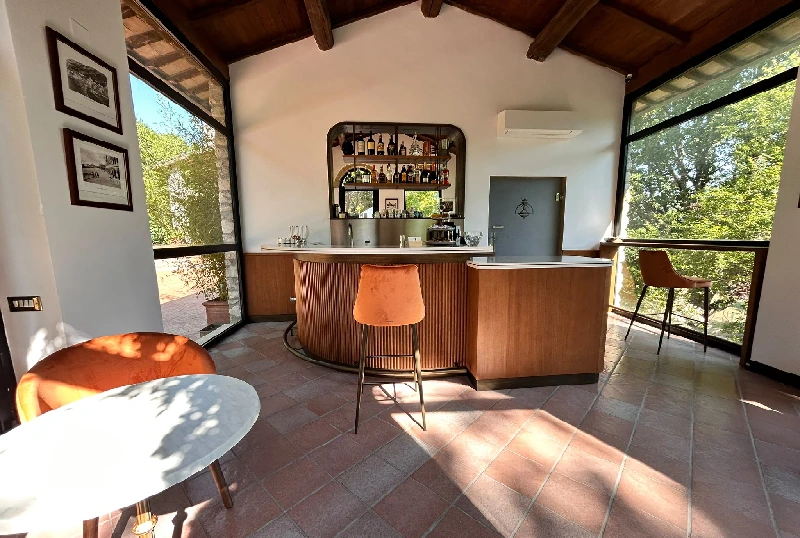
Our historic villa is approximately 3 km from central Spoleto, within fully fenced grounds. Guests have private bathrooms, homemade breakfast, Wi-Fi, outdoor seating areas and free on-site parking. The tennis court is included for staying guests, with rackets and balls provided.
It is also possible to arrange wine tastings on request.
The location is well suited to visitors exploring Umbria by car, couples seeking a peaceful stay and travellers interested in walking, cycling or spending time outdoors.
We have only three guest rooms, so the atmosphere is quieter than that of a large hotel.
If you are considering Spoleto as your base, you can view our rooms and check direct availability.
What Type of Accommodation Should You Choose in Umbria?
After choosing a town or area, consider what sort of accommodation fits your trip.
A hotel may be the most convenient choice if you want conventional reception services, larger facilities or a central location.
A B&B can offer a smaller-scale stay with breakfast and more direct contact with the people who manage the property. Standards and facilities vary, so it is worth checking what is included rather than judging solely by the accommodation category.
An agriturismo is associated with an agricultural setting and may be a good choice when farm life or the rural experience is part of what interests you.
A holiday home or apartment can be useful for self-catering and longer stays, particularly when a kitchen and independent living space are priorities.
You will also find historic residences and boutique accommodation in buildings where the setting itself is part of the appeal.
For a more detailed comparison, read our guide to accommodation types in Italy.
Where to Stay in Umbria for a Tennis Holiday
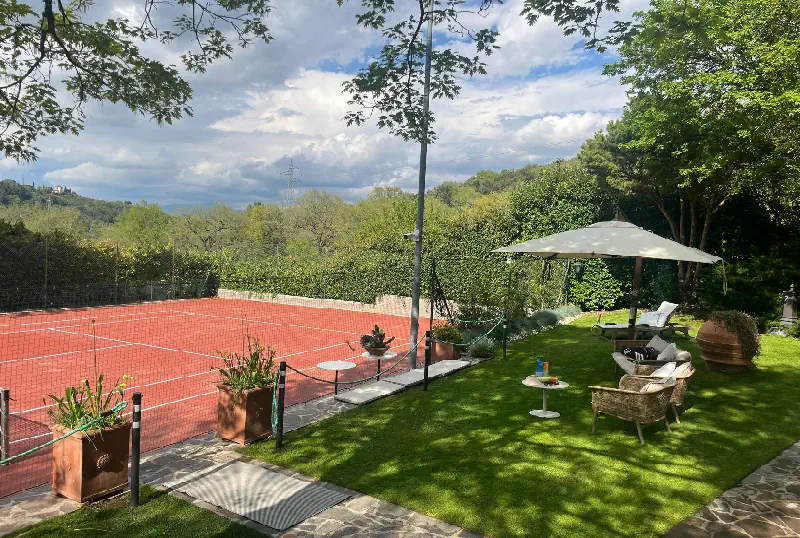
Looking for accommodation in Umbria with a tennis court? Adagio Umbro in Spoleto combines a boutique countryside stay with a private outdoor tennis court, ideal for travellers who want to enjoy tennis alongside sightseeing, wine tasting and exploring historic Umbrian towns.
Guests can play tennis during their stay by reservation, with rackets and balls provided. The property also offers breakfast, private parking and peaceful green surroundings, just 3 km from Spoleto’s historic centre.
Where to Stay in Umbria for Couples and a Romantic Weekend
For couples looking for a romantic getaway in Umbria, a countryside B&B near a historic town can offer a peaceful setting without being far from restaurants and cultural attractions. Spoleto is a good choice for couples who want to explore nearby villages during the day and enjoy quieter evenings.
At Adagio Umbro, we welcome couples looking for a quiet, adults-oriented B&B near Spoleto. With just three guest rooms, the property has a relaxed atmosphere. Guests can spend time in the spacious gardens, enjoy homemade breakfast each morning or play tennis together on the private court, with rackets and balls included in their stay.
It may be particularly suitable for a romantic weekend, an anniversary trip or a few days exploring Umbria together. Explore our rooms for a romantic stay in Umbria.
Still deciding between Tuscany and Umbria? Both regions offer historic towns, countryside accommodation and memorable food and wine experiences, but the choice depends on the places you want to visit and the kind of holiday you have in mind. Our Tuscany vs Umbria comparison may help you decide which region better suits your travel plans.
So, Where Should You Stay in Umbria?
The best answer depends on your plans.
For public transport and city life, start by looking at Perugia. For religious heritage and art, consider Assisi. Orvieto makes sense for a shorter stay from Rome.
If you have a car and want to explore central and southern Umbria without changing hotels frequently, Spoleto deserves a place on your shortlist. For wine country, look towards Montefalco and Bevagna. For mountain landscapes and walking, consider the Valnerina.
Whichever base you choose, leave enough time to enjoy the places you visit. Umbria is particularly rewarding when your days allow for more than driving between attractions.
And if a smaller countryside B&B near Spoleto sounds like the right fit, we would be pleased to welcome you to Adagio Umbro.
Discover Adagio Umbro and check room availability.
Where to Stay in Umbria: Frequently Asked Questions
The best towns to stay in Umbria include Perugia for public transport and city life, Assisi for religious and cultural heritage, Orvieto for short visits from Rome, and Spoleto for exploring central and southern Umbria. Travellers with a car may also prefer countryside accommodation near Montefalco, Bevagna or Todi.
Perugia is a popular university city and cultural destination, especially during major events such as Umbria Jazz and Eurochocolate. However, its everyday atmosphere is different from Assisi, where religious tourism and sightseeing are more concentrated around famous landmarks. Perugia combines local life, student culture and tourism throughout the year.
Assisi is particularly rewarding for visitors interested in the Basilica of Saint Francis, medieval architecture and religious history. Orvieto is known for its Gothic cathedral, underground attractions and convenient railway connections from Rome. Both are worth visiting, but Orvieto may be more practical for a short stop from Rome, while Assisi suits an itinerary focused on central Umbria.
April to June and September to November are excellent periods to visit Umbria, with generally pleasant weather for sightseeing, countryside walks and exploring historic towns. Summer offers festivals and outdoor events but can be hot, while autumn is particularly appealing for wine, olive oil and seasonal food experiences. Winter is quieter and suitable for travellers who enjoy historic towns without peak-season crowds.
Perugia is practical for public transport and city life; Assisi is best when its religious and artistic heritage is the main focus; and Spoleto is a strong option for travellers with a car who want a historic town plus countryside and road-trip access. The best base depends on transport and the part of Umbria you want to explore.
Perugia, Assisi and Orvieto are among the easiest choices without a car because they have stronger rail or bus connections and substantial attractions within the town itself. Spoleto can also work if you stay within practical reach of the centre and railway and plan your day trips around public transport.
With a car, Spoleto, Todi, Montefalco, Bevagna and the Valnerina are excellent bases for exploring Umbria. Countryside accommodation is particularly convenient for road trips, offering easier access to smaller villages, wineries and scenic routes.
Adagio Umbro, a boutique B&B in Spoleto, offers free, private and secure on-site parking within its gated property, allowing guests to explore Umbria by car while enjoying a peaceful countryside setting just 3 km from Spoleto’s historic centre.
When choosing accommodation in Umbria, prioritise private parking and check ZTL (limited traffic zone) restrictions, especially when staying in historic town centres.
For a three-day trip to Umbria, staying in one central location is usually more convenient than changing accommodation. Perugia is a practical choice for travellers without a car, while Assisi is ideal for those interested in art, medieval architecture and religious heritage.
Spoleto is an excellent base for exploring central and southern Umbria by car, with easy access to Montefalco, Bevagna, Trevi and the Valnerina. Its historic centre, surrounding countryside and relaxed atmosphere make it particularly appealing for travellers seeking a less touristy experience.
For a peaceful countryside stay, Adagio Umbro in Spoleto offers boutique accommodation with breakfast, free private parking and a tennis court, approximately 3 km from the historic centre. Guests can explore nearby Umbrian towns during the day and return to a quiet historic property in the evening.
Yes, particularly for travellers with a car who want to explore Spoleto, the Valnerina, Montefalco, Trevi and other parts of central and southern Umbria. It is also connected by rail, but a car makes countryside day trips substantially easier.
Assisi is one of Umbria’s most famous and visited destinations, attracting tourists and pilgrims throughout the year. Its historic centre can become particularly crowded during peak seasons, especially around the Basilica of Saint Francis.
Spoleto offers a quieter, less touristy alternative, combining Roman and medieval heritage, authentic Italian atmosphere and beautiful countryside. Often described as a hidden gem in Umbria, Spoleto is particularly appealing to travellers who prefer exploring historic towns without the crowds associated with more famous destinations.
While Assisi is ideal for religious heritage and pilgrimage, Spoleto makes a practical base for countryside experiences, wine tourism, hiking and day trips across central and southern Umbria.
Both destinations are worth visiting and can easily be included in the same itinerary.
Orvieto is the easiest short rail-based option from Rome. Spoleto is better suited to travellers who want to stay longer, continue deeper into Umbria, use a car or combine sightseeing with countryside and outdoor activities.
No for every trip, but a car significantly expands your choices. Perugia, Assisi, Orvieto and Spoleto can all be reached by public transport, while wineries, rural accommodation, smaller villages, hiking areas and many countryside attractions are much easier with a car.
Stay Connected
For more updates, photos, and stories from Adagio Umbro, follow us on our social media channels: