From MBA Studies to Building Own Business:

My Journey to the University of Bologna (Part 1)

This chapter explains how my MBA studies in Italy became the first step toward building my future business. I describe the real process of applying to the University of Bologna, finding housing, and navigating the bureaucracy as a non-EU student. It marks the beginning of my long journey of studying, living, and eventually creating a professional project in Italy.

Introduction: Becoming an International Student in Italy

Becoming an international student in Italy was never just a goal for me—it was a lifelong dream shaped by history, passion, and pure determination. Italy captured my imagination in a way no other country did. Its architecture, food, culture, and ancient academic centers felt magical. But what truly ignited my journey was the thought of studying at one of the oldest universities in the world: the University of Bologna.

My dream, however, did not come with a smooth road. It was filled with challenges, setbacks, unexpected surprises, and moments where I questioned whether I would ever make it to Italy. But looking back today, I can confidently say that the journey was worth every struggle, every phone call, every canceled appointment, and every document I had to collect.

This is the first part of my full story—a deep, honest look at what it truly means to move abroad, chase a dream, and step into a new world as an international student in Italy.


Why Studying in Italy Became My Lifelong Dream

In September 2017 I arrived in Bologna as a tourist. While walking through the city and passing the university buildings, an old memory surfaced — my childhood dream of studying in Italy. I still remember telling myself, years earlier: “One day I will study here. One day I will walk through the halls of Bologna University.” At the time it felt unrealistic, almost like a fantasy. But some dreams don’t disappear. They stay quietly inside you, waiting for the right moment to become real.

When I shared my thought with my husband, he didn’t hesitate for a second. He said: “Do it. Research the programs and let’s try.” I think he believed in me more than I believed in myself.

The University of Bologna’s Reputation and History

The University of Bologna, founded in 1088, is considered the oldest university in the Western world — a place where European higher education, as we know it today, essentially began. Its history is not just impressive; it is overwhelming. Walking near its buildings for the first time felt like stepping into a living archive of human progress. Generations of scholars, inventors, philosophers, scientists, and political thinkers have studied, argued, researched, and shaped ideas here for almost a thousand years. You don’t simply “visit” the University of Bologna; you feel its weight, its legacy, and its quiet authority.

Beyond the online resources, there are physical libraries scattered across the city — quiet, atmospheric spaces with high ceilings, wooden desks, and centuries-old manuscripts stored just a few rooms away from modern study areas. The blend of tradition and innovation is everywhere. You can attend a lecture in a historic hall that looks like it belongs in a museum, and then immediately access cutting-edge research through the university’s digital platforms. UNIBO manages to be both ancient and incredibly modern at the same time — a combination that inspires you to aim higher, study deeper, and push yourself intellectually simply because you’re surrounded by a place where so many great minds have walked before you.

One of the things that makes UNIBO unique is its scale and structure. It is spread across five major campuses — Bologna, Cesena, Forlì, Ravenna, and Rimini — forming a large academic network that serves tens of thousands of students from Italy and around the world. Each campus maintains its own specializations and research centres, but all of them share the same academic culture of rigorous study and intellectual freedom. What surprised me most is how modern and accessible the university is despite its medieval roots. Every student receives full access to a huge digital library system that includes thousands of scientific journals, academic articles, e-books, conference papers, statistical databases, and historical archives. Many universities claim to have “good resources,” but UNIBO truly gives students a complete toolkit for advanced research.

I wanted to become part of that history—even in the smallest way.

Why I Chose Emilia-Romagna for My Studies

Emilia-Romagna drew me in for several reasons. The region has a reputation for being welcoming, practical, and genuinely pleasant to live in — a place where daily life feels balanced rather than chaotic. It stands out for its network of excellent universities and research centres, which attract students from all over Europe. And beyond academics, Emilia-Romagna offers a rare combination of everything in one place: vibrant cities like Bologna, quiet medieval towns, green countryside, and a long Adriatic coastline. It’s a region that feels both dynamic and deeply rooted in tradition.

My campus was in Rimini, a coastal town at the heart of the Adriatic Riviera. It’s small, friendly, and full of student energy during the academic year — the kind of place where you can walk almost everywhere. What I didn’t expect, however, was that finding accommodation there would become one of my biggest challenges.


Preparing My Application to Study in Italy

Once I decided to turn my dream into reality, I discovered something unexpected and honestly a bit frightening: I had only a few months to prepare everything — documents, translations, legalizations, exams, and university applications. And each step came with its own rules, deadlines, and bureaucracy.

A Race Against Time: From September 2017 to Spring 2018

The clock started ticking in September 2017, the moment I returned home from my trip to Bologna. I knew that if I didn’t act immediately, I would lose a whole academic year. From that moment, preparing my application became almost a full-time job. I had to gather, translate, and authenticate every document from my home country. My diploma and transcripts had to be legalized through the Italian Consulate, which meant strict procedures and long waiting times. On top of that, the program required an international language certificate, so I booked and prepared for the IELTS Academic exam, aiming for at least a B2 level.

Day after day, I collected and organized everything the application demanded:

  • university transcripts
  • legalized and translated diploma
  • updated CV
  • letters of motivation
  • recommendation letters
  • passport copies
  • certified language test results

Not a single day passed without paperwork. It felt like a very tight countdown, but every completed document brought me one step closer to the life I wanted in Italy.

Applying to Two Study Programs

When the application window opened, I applied to two MBA programs:

  1. International Business (campus in Bologna)
  2. Service Management (campus in Rimini)

I immediately knew the first option wasn’t the best match for me. I had no real experience in international trade or global business development, and forcing myself into that direction didn’t feel authentic. But the second program — Service Management — felt completely natural. It connected with everything I had already done in my life: customer relations, online marketing campaigns, basic coding, content creation, sales, accountancy, and my original degree in finance.

It was the first time I felt that my professional path actually aligned with an academic program. So I poured all my energy into that application. I wrote honestly, clearly, and without trying to impress anyone. I explained who I was, what I had learned through real work.

While preparing my application, I focused on showcasing the experience I had already built over the years. My CV highlighted:

  • customer relationship roles
  • service management tasks
  • years of sales experience
  • strong communication abilities

To my surprise, this genuine, hands-on experience mattered more than I expected. It wasn’t about having a “perfect” profile — it was about having practical skills that connected directly to the field. That realization gave me confidence, and I poured even more energy into the Service Management application. I wrote honestly and clearly about what I could bring to the program, explained why I wanted to study at UNIBO without pretending to be someone else.


Getting Accepted as an International Student in Italy

About two months after submitting my applications, I opened my email — and everything changed.

Receiving the Email of Admission

My heart was racing as I read the message, then read it again just to be sure. I had been accepted. After months of paperwork, translations, exams, and endless stress, the confirmation was finally in front of me. I was so overwhelmed that I didn’t even check the applicant rankings that evening. I simply closed my laptop, sat in silence, and tried to process what had just happened.

Ranking #1 Among Non-EU Applicants

The next morning, with a clearer mind, I finally opened the official admission list.
There were 28 total places in the program:

  • 14 for EU/Italian students
  • 14 for non-EU students

Among around 400 applicants, my name was at the very top — Rank #1 among all non-EU students.

Seeing that number felt unreal. It validated every late-night study session, every job I had taken, every fear and every effort. It was the moment when the impossible dream I carried since childhood finally became reachable. Italy was no longer just a dream — it became my next chapter.


The Accommodation Crisis: My First Big Challenge in Italy

Once my acceptance was confirmed, I genuinely believed the hardest part was behind me. I had the admission letter, the rankings, the motivation — what else could possibly go wrong? I was completely mistaken. The real struggle was only beginning: finding housing in Italy as a foreign student. And without proof of accommodation, the Italian Consulate would not even consider issuing my study visa.

The moment I began searching for a place in Rimini, I realised how unprepared I was for the Italian rental market. Everything looked simple online—hundreds of listings, clean photos, clear rental conditions – but the reality was completely different. On top of that, my situation was more complex than a typical student’s: I had eight rescued cats that I refused to abandon, because each of them had already been abandoned once in their life. This meant I couldn’t just rent a random student room. I needed a house or an apartment in the suburbs, somewhere animals were allowed, and somewhere I could realistically live with them. While dealing with the housing search, I also had to prepare all the veterinary international travel documents for each cat – another layer of bureaucracy on top of everything else.


Why Finding Housing in Italy Is So Difficult for Foreigners

Within days I understood the unwritten rules of renting in Italy:

  • Landlords often prefer Italian tenants. They believe locals are “easier” to manage and less risky.
  • Agencies want Italian employment contracts. Without a local job or income, they don’t feel comfortable approving foreign students.
  • Foreign renters face automatic mistrust. Many assume you will destroy property, leave, disappear, or fail to pay.
  • Long-distance renting is almost impossible. Most rental property agents / landlords refuse to commit without meeting you in person.
  • You’re expected to already be in Italy to sign anything. This becomes a paradox: you need housing to move to Italy, but you need to be employed in Italy to get housing.

And I wasn’t in Italy yet.

This situation created a kind of bureaucratic trap: I couldn’t apply for study visa without a place to live, and I couldn’t get a place to live without being physically there. Almost every  email I sent was ignored, rejected, or met with the same phrase: “Come in person, then we talk.”

It was the first moment when I felt the weight of being a non-EU student – and the first time I understood that studying in Italy would not be a simple linear journey.

Calling Agencies With Almost No Italian

I started calling real estate agencies across Emilia-Romagna — from Bologna to Rimini and the small towns along the railway line — using my very basic Italian: “Buongiorno… cerco una casa… sono una studentessa internazionale…” Some agents were polite, others seemed confused, but most of them repeated the same line: “Yes, yes, come to see the property. We can make an appointment.” I thought I was finally making progress. I believed these were real opportunities, so I booked 7–10 appointments, purchased a flight to Bologna, reserved a hotel in Rimini for a full week, and prepared to solve everything in person.

Canceled Appointments and Total Confusion

But the moment I landed in Rimini and started calling again, everything collapsed.
Every single agency gave me one of three answers:

  • “The property is no longer available.”
  • “The landlord changed his mind.”
  • “We cannot show it anymore.”

Some stopped answering the phone at all.

For seven days, I tried everything. I walked from agency to agency, called every number I could find, checked every listing, and visited every neighbourhood. Nothing worked. Not a single appointment survived.

It was the first time I felt genuinely lost — as if there was some unwritten rule of the Italian rental system that everyone understood except me.


Traveling Back Home and Reorganizing My Strategy

Returning to my country felt like a defeat, but I wasn’t ready to give up. I understood that my first strategy had failed, so I needed a new one — broader, more flexible, and more realistic.

Searching Across the Entire Emilia-Romagna Region

This time, I expanded my search radius far beyond Rimini. Instead of focusing on one city, I began contacting agencies across dozens of towns within 60–70 kilometers, including:

  • Cesena
  • Forlì
  • Faenza
  • Riccione

I wrote emails, made calls, and reintroduced myself again and again, hoping that somewhere in this wider area, a single opportunity would finally open.

The Breakthrough: Finding a Home in Cesena

Eventually, a real estate agent in Cesena replied with the first genuinely positive message I had received:

  • the landlord was willing to rent to foreigners
  • the appointment was confirmed
  • the property was still available

For the first time in weeks, I felt a real sense of hope.

My husband and I traveled back to Italy. We visited three or four properties, comparing each one carefully. The last apartment at private villa (villetta a schiera) in Cesena felt right — not perfect, but stable, realistic, and available.


The True Cost of Renting as a Foreigner in Italy

However, the landlord had very specific conditions, and none of them were easy:

  • 9 months of rent as a deposit upfront
  • €3,000 a safety deposit was required, refundable at the end of the rental period to cover potential damages.
  • €300 contract registration fee
  • €1000 agency fee
  • Contract starting only in late October

It was overwhelming, but there were no alternatives. We accepted the terms, signed the four-year contract (4+4) at the Agenzia delle Entrate (Italiian tax agency), and finally secured the accommodation I needed for my Italian student visa.

A Cultural Detail I Only Understood Later

Only much later did I realise why the process had been so difficult. In many parts of Italy — especially when it comes to property rentals – landlords tend to feel more comfortable dealing with men, simply because they are used to a more traditional, male-oriented approach to contracts and negotiations. For them, a foreign woman renting alone to study was unusual and unfamiliar, in some way suspicious.

Because of this, when the appointment in Cesena was finally confirmed, my Australian husband and I decided to travel together. His presence helped make the meeting with the agency and agent smoother, simply because it aligned with what they were accustomed to seeing. It was not about capability — it was about navigating a cultural expectation that I didn’t fully understand at the beginning.


Temporary Housing in Rimini: My Casa Vacanza Story

Since my rental began two months later than I needed, I searched for temporary housing.

Why Vacation Rentals Became My Only Solution

I found a Residence Villa Margherita  in Rimini – a small holiday apartment near the sea. This type of rental is usually more expensive than normal housing, but it was our only option.

The apartment had:

  • two rooms
  • a kitchen
  • a bathroom
  • a tiny yard

It was simple, but it was home for those two months.

Preparing Visa Papers With Temporary Housing

Including proof of payment for this temporary stay, I applied for my Visa Type D.


Applying for the D-Type Study Visa

For any international student in Italy, the D-Visa is the first major bureaucratic step.

Essential Documents Needed

My application included:

  • acceptance letter
  • rental contract or temporary housing
  • bank statements
  • insurance
  • university pre-enrollment
  • passport
  • photos
  • declaration of funds

Waiting for Approval and Emotional Stress

Waiting was the hardest part.
I had done everything – but still had no idea whether it would be approved or delayed.

So 14 days later I was granted study visa and was preparing to go.


The First Day of Classes: 6th September

I remember the day clearly. September 6.
Classes began, and my dream officially came alive.

At the beginning of the academic year, the university organised a Welcome Day for international students. It was a practical and very thorough introduction to life in Italy: student tutors explained everything from how to apply for the permesso di soggiorno to how public transport works, campus rules, exam systems, and even small details like Italian traffic etiquette. Many students experienced their first cultural shock during these explanations, but I didn’t — I had already visited Italy several times, so nothing felt unfamiliar. Instead, I followed everything with curiosity. The session was clear, well-structured, and genuinely useful, especially for anyone arriving in Italy for the first time.

Crash Courses: My First six Weeks

The first six weeks were intensive “catch-up” courses, designed to:

  • refresh knowledge
  • introduce terminology
  • prepare students for real lectures

They were challenging but incredibly helpful.

The Teaching Style That Surprised Me

Italian professors impressed me deeply:

  • clear explanations
  • structured lessons
  • rich real-life examples
  • respect for students
  • passion for their subjects

For me, the University of Bologna became more than an institution – it became a chapter of my life that I will never forget.


Why Studying in Italy Became the Best Time of My Life

Looking back, studying in Italy was:

  • transformative
  • challenging
  • beautiful
  • empowering
  • unforgettable

I grew not only academically, but personally and culturally. It shaped who I am today.

🌿 Some questions About Being an International Student in Italy
How much does renting cost for students in Italy?

In major cities and coastal towns, rent can range from €350 to €900 depending on location and housing type.

What documents do I need for a D-Type Study Visa?

University acceptance, financial proof, accommodation proof, insurance, passport, and pre-enrollment documents.

Is studying at the University of Bologna worth it?

Absolutely. It offers excellent professors, historic campuses, and world-class education.

Do I need to speak Italian before moving?

Not necessarily, but basic knowledge helps a lot – especially when dealing with landlords or agencies.

Can studying in Italy lead to business opportunities?

Yes. Many international students start careers or businesses—like B&Bs, consulting, or hospitality ventures.


Conclusion: A Journey That Reshaped My Life

Becoming an international student in Italy was the hardest and most rewarding journey of my life. From endless documents to rental struggles, from canceled appointments to emotional ups and downs—it shaped me in ways I never imagined.

What Comes Next

This is only Part 1 of my story.
In the next chapters, I will share:

  • my exam experiences
  • how the academic structure at UNIBO really works
  • the cultural differences I faced
  • and how studying in Italy eventually opened the door to my future business plans

Today, years later, I’m working on a professional B&B project in Umbria, combining everything I learned in Italy — service management, customer experience, cultural adaptation, and real-life problem solving. What started as a simple dream to study in Bologna eventually became the foundation for building my own hospitality business.

My journey is still unfolding, and I hope that by sharing it, I can help someone else take their first step toward studying, living, or starting a future in Italy

To be continued …


Stay Connected

For more updates, photos, and stories from Adagio Umbro, follow us on our social media channels:
What Is Umbria Known For?
The Complete Guide to Italy’s Green Heart

Umbria is one of Italy’s most enchanting regions — a landlocked jewel in the very center of the country, between Rome and Florence. Known as “the Green Heart of Italy”, it is the only region in central Italy without a coastline, and yet it attracts travellers seeking nature, medieval towns, artisanal food, wine, spirituality, and slow travel.

Unlike Tuscany — its world-famous neighbour — Umbria remains more intimate, wild, and authentic. Its forests, medieval villages, olive groves, and rolling mountains give travellers the sense of discovering a hidden Italy, where life moves calmly and traditions are preserved.

Below is a comprehensive guide to what Umbria is truly known for — based on verified, reliable information and official tourism statistics.

Italy’s Green Heart: Nature, Forests, and Protected Landscapes

Umbria’s nickname, Il Cuore Verde d’Italia, is not a marketing phrase — it reflects the reality of the region. More than 30% of Umbria’s territory is covered by forests, one of the highest percentages in Italy. The region is defined by:

These forests support rare wildlife such as the Apennine wolf, porcupine, eagle, and migratory birds. Trails for hiking, trekking, and cycling cross the region.

International travellers often describe Umbria as “Italy before the crowds” — natural, quiet, and deeply green.


Spiritual Heritage: Saint Francis, Basilicas, and Pilgrims’ Routes

Umbria is the birthplace of Saint Francis of Assisi, one of the world’s most beloved saints. This makes the region a global centre of spirituality.

Umbria is known for:

  • The Basilica of San Francesco in Assisi (UNESCO World Heritage Site)
  • The Basilica of Santa Maria degli Angeli
  • The Hermitage of the Carceri (forest sanctuary)
  • The Franciscan Trail (Cammino di Francesco) — a pilgrim route walked by thousands every year
  • The Cathedral of Spoleto and the Duomo of Orvieto, St. Patrik’s well of Orvieto

Travellers come for retreats, meditation, and quiet stays in monasteries or nature-immersed accommodations.


Medieval Towns and Authentic Villages

Umbria has an extraordinary density of medieval hilltop towns, many perfectly preserved:

  • Spoleto (Roman theatre, Ponte delle Torri, Rocca Albornoziana)
  • Assisi (UNESCO)
  • Perugia (capital, famous for chocolate and Etruscan origins)
  • Orvieto (Duomo, underground city)
  • Gubbio (ancient streets, Corsa dei Ceri festival)
  • Todi, Trevi, Bevagna, Montefalco, Spello, Narni, Norcia

These towns offer a slower rhythm, artisan shops, stone streets, and panoramas from every corner.

For visitors seeking authentic Italy — not the over-touristed experience — Umbria is a rare treasure.


Olive Oil: One of Italy’s Finest DOP Oils

Umbria is one of Italy’s most prestigious producers of extra virgin olive oil.

Its olive groves stretch across:

  • Trevi
  • Spello
  • Spoleto
  • Montefalco
  • Giano dell’Umbria
  • Assisi
  • Orvieto

The region holds the DOP Umbria designation, with five sub-zones. Umbrian oil is known for being:

  • Green
  • Fresh and slightly spicy
  • High-quality, low acidity
  • Ideal for bruschetta and traditional dishes

Many travellers visit Umbria specifically for oil tasting, harvest experiences, and olive-mill tours.


Wine Production: Sagrantino, Trebbiano Spoletino & Orvieto Classico

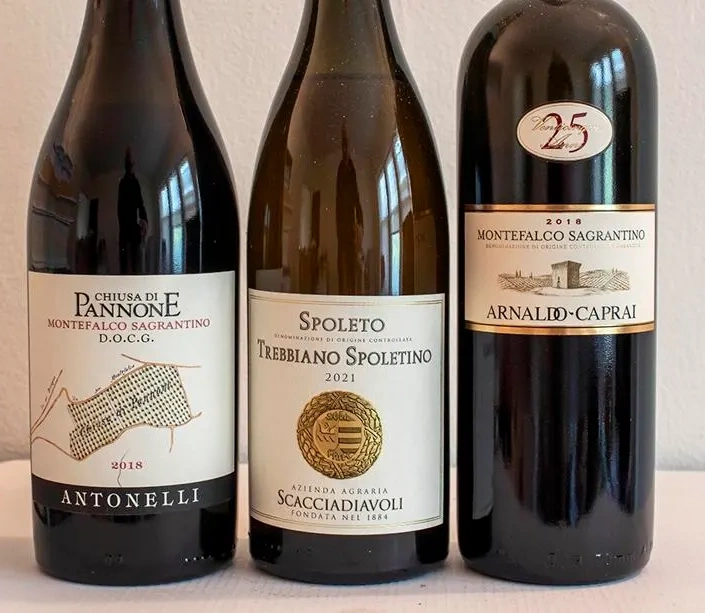
Bottles of Montefalco Sagrantino and Spoleto Trebbiano – Umbrian wines from central Italy

Umbria produces internationally recognised wines:

Sagrantino di Montefalco DOCG

One of Italy’s most powerful red wines, with extremely high tannins and long aging potential.

Montefalco Rosso DOC

A blend with Sangiovese — elegant and versatile.

Trebbiano Spoletino

An indigenous Umbrian white grape with citrus, floral notes, and strong minerality — increasingly popular with wine lovers.

Orvieto Classico

One of Italy’s historically most famous white wines.

Wine tourism is booming, with tastings, vineyard tours, and harvest participation.


Quiet Tourism and Slow Travel (with Official Data)

Umbria is gaining international attention precisely because it offers slow tourism, safety, nature, and an alternative to crowded Italian regions.

The latest official tourism data confirm this trend:

  • 389,572 arrivals and 980,492 presences in the 1st trimester 2025, showing a +8% growth in nights spent compared to 2024
  • Foreign tourists increased by +24.4% in arrivals and +32.6% in presences compared to 2024

This shows a clear pattern: foreign travellers are discovering Umbria more than ever.

Destinations with high arrivals include:

  • Perugia: 1,058,879 presences
  • Assisi: 1,165,788 presences
  • Spoleto: 342,188 presences
  • Foligno, Gubbio, Todi, Orvieto

For travellers, this confirms something simple: Umbria is still uncrowded, but increasingly appreciated — a perfect moment to visit before it becomes mainstream.


Truffles, Local Cuisine & Artisanal Food

mbria’s cuisine is famous for being simple, earthy, and deeply tied to nature. It is especially known for:

Black Truffles (Norcia, Spoleto, Valnerina)

Norcia is Italy’s black-truffle capital.

Prosciutto di Norcia IGP

Cured at high altitude, delicate and intensely flavourful.

Lentils of Castelluccio IGP

Cultivated on high mountain plains.

Pecorino cheeses, wild mushrooms, forest herbs, fresh pasta, wild boar dishes, olive-oil–based cooking.

For food lovers, Umbria is paradise.


Festivals: Culture, Music, and Medieval Traditions

Umbria hosts internationally renowned events:

  • Festival dei Due Mondi (Spoleto) — opera, theatre, dance, classical music
  • Umbria Jazz (Perugia) — one of the world’s top jazz festivals
  • Eurochocolate (Perugia)
  • Giostra della Quintana (Foligno) — historic jousting
  • Infiorata di Spello — flower carpets
  • Feast of St. Francis
  • Sagre (local food festivals) in nearly every village

These festivals attract both locals and foreigners — and are often less commercial and more authentic than Tuscan equivalents.


Handicrafts: Ceramics, Textiles, and Woodwork

Umbria is widely known for its high-quality artisan craftsmanship, a tradition that has survived intact from the Middle Ages to today. Travellers who visit the region quickly notice how much local identity is expressed through handmade objects, natural materials, and traditional decorative arts.

The region’s most famous artisanal traditions include:

  • Deruta ceramics — globally renowned since medieval times for their hand-painted majolica, unique colours, and refined patterns.
  • Majolica from Gubbio and Orvieto — rich in historical motifs, metallic lusters, and Renaissance designs.
  • Montefalco textiles — natural fabrics and traditional weavings produced using old looms and centuries-old techniques.
  • Woodworking, olive-wood crafts, and ironwork — typical of mountain villages and Umbrian valleys.

Travellers love bringing home authentic Umbrian-made souvenirs, as they are original, handcrafted, and made to last — not mass-produced or industrial.

At Adagio Umbro, we proudly support these traditions.
Our outdoor ambience is decorated with handmade Deruta ceramic pots, chosen for their beauty, craftsmanship, and connection to the local culture.
Inside our spaces, we use natural fabrics woven in Umbria, celebrating regional textile heritage and adding warmth and authenticity to every corner.

These details are not just aesthetic choices — they reflect Umbria’s identity: a region where craftsmanship, nature, and tradition come together in everyday life.

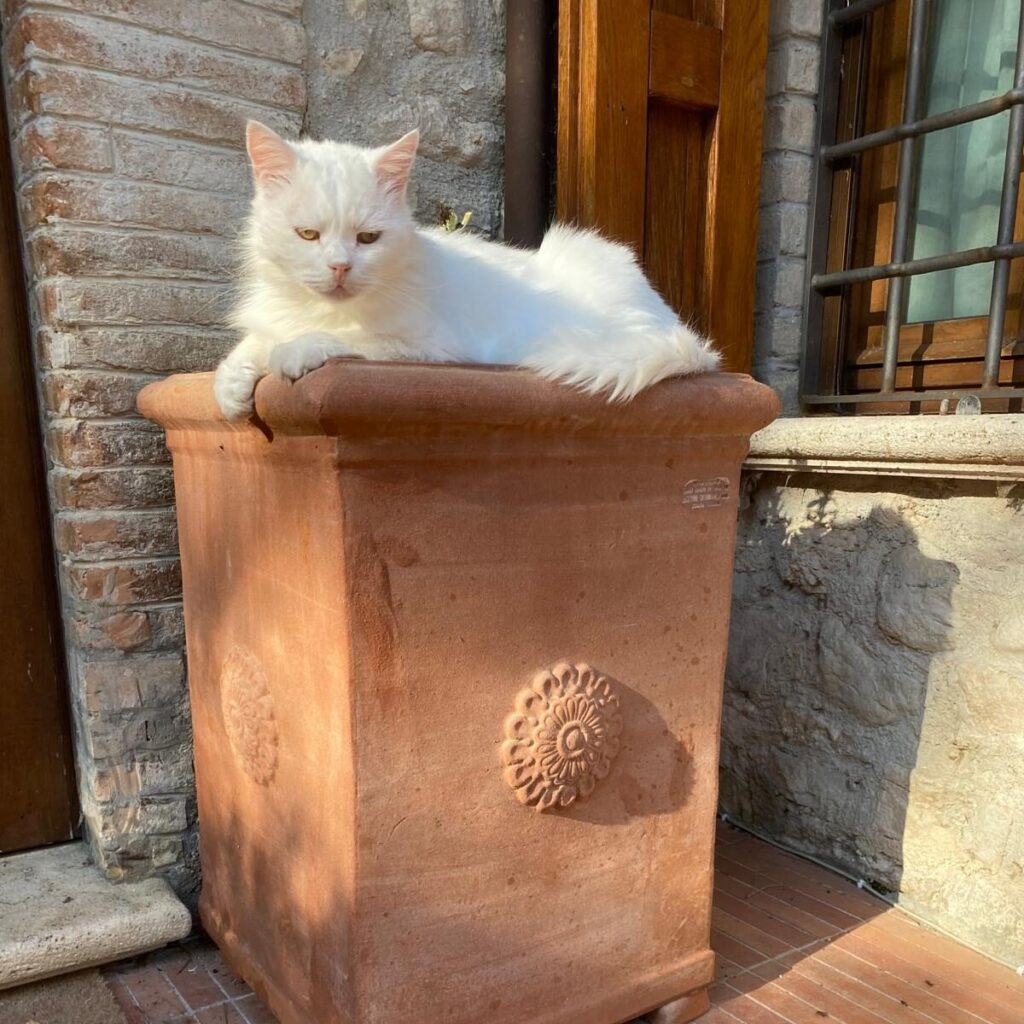
White cat lying on handmade Deruta terracotta pot at Adagio Umbro women-only B&B near Spoleto Umbria representing comfort and calm stay

Outdoor Sports: Hiking, Cycling, Rafting, and Lakes

Travellers who enjoy active experiences choose Umbria for:

  • Lago Trasimeno — swimming, sailing, kayaking
  • Valnerina — rafting and canyoning
  • Monte Cucco — paragliding
  • Sibillini Mountains — hiking
  • Cycling routes, including Spoleto–Norcia greenway

The region’s geography — mountains, valleys, rivers — makes it ideal for outdoor enthusiasts.


A Safe, Intimate, and Affordable Alternative to Tuscany

Many travellers choose Umbria because:

  • It’s less crowded
  • It’s more affordable
  • It offers authenticity and silence
  • Hotels, B&Bs, and agriturismi are smaller and family-run
  • Food and wine quality is extremely high
  • Landscapes resemble Tuscany — only wilder and greener

According to official data, Umbria offers 106,912 beds across 7,817 structures, with strong growth in non hotel (B&Bs, holiday homes, country houses). This confirms Umbria’s identity: a region of boutique, intimate hospitality rather than large resorts.

For visitors planning their stay, Umbria also offers a wide variety of accommodation facilities, from boutique hotels to country houses and agriturismi. The region is especially appreciated for its small-scale, family-run B&Bs, historic villas, and nature-immersed guesthouses — a hospitality style that prioritises peace, comfort, and personal attention rather than mass tourism. Travellers who prefer intimate stays often choose Bed and Breakfasts, where the atmosphere is slower, more authentic, and closely connected to local culture.

Umbria’s accommodation landscape includes B&Bs, affittacamere, country houses, agriturismi, holiday homes, and apartments, each regulated with specific regional standards and offering different levels of privacy and services. This diversity allows travellers to select the style that best suits their needs — from independent apartments to fully serviced rural hospitality.

Thanks to this structure, Umbria has become a destination where visitors can enjoy cleaner air, quiet green surroundings, and high-quality stays at competitive prices, far from overcrowded tourist centres. With 7,817 registered facilities and 106,912 beds available, and a growing number of non-hotel accommodations such as B&Bs, country houses, and holiday rentals, the region is evolving into Italy’s reference point for boutique and nature-based hospitality.

Whether guests are looking for panoramic villas, countryside farm stays, or women-focused B&B experiences like Adagio Umbro, Umbria offers an accommodation style that aligns perfectly with the region’s identity: authentic, calm, nature-oriented, and ideal for slow travel.


Why Travellers Fall in Love with Umbria

Visitors consistently highlight:

  • Quiet beauty and green landscapes
  • Authentic small towns
  • High-quality olive oil and wine
  • Friendly, unpretentious atmosphere
  • Safety and tranquillity
  • High value for money
  • Perfect central location (1.5 hours from Rome / 2 from Florence)

For women travellers, solo travellers, couples, and groups of friends, Umbria feels welcoming and secure — offering nature, culture, food, and relaxation in a calm setting.

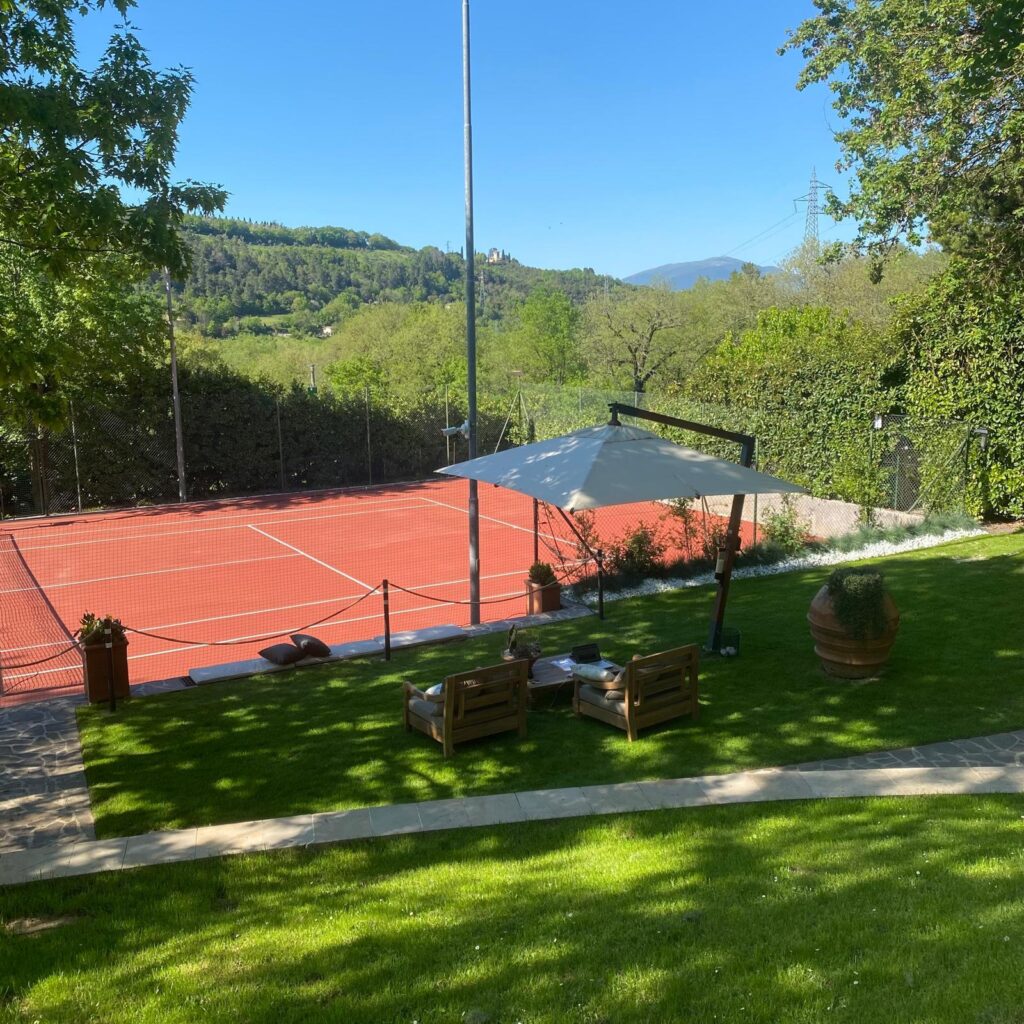
Tennis court at Adagio Umbro with panoramic mountain and countryside views in Umbria

Conclusion: Umbria Is Italy’s Best-Kept Secret — But Not for Long

Umbria is known for its ancient forests, silver olive groves, medieval hill towns, spiritual sanctuaries, world-class wines, truffles, and a style of green, peaceful living that is becoming increasingly rare in Italy. It offers the charm of Tuscany without the crowds, the purity of mountain landscapes without over-tourism, and a cultural heritage that feels intimate, lived-in, and authentic.

Official tourism data confirm what travellers have begun to realise: Umbria is rising.
In the first trimester of 2025, the region recorded a +24.4% increase in foreign arrivals and +32.6% in foreign overnight stays, a clear sign that international visitors are discovering its value and choosing it over more saturated destinations. This growth reflects a renewed interest in uncrowded regions, nature-based experiences, boutique accommodations, and authentic Italian traditions — all areas where Umbria excels.

With its combination of nature, culture, gastronomy, and local craftsmanship, Umbria offers travellers a rare opportunity to experience Italy at its most genuine. Whether you come for the food, the medieval villages, the peaceful countryside, or the spiritual atmosphere, this region delivers an Italy that still feels untouched.

This is the perfect moment to explore Umbria — before it becomes the next major international destination.

🌿 FAQs about Umbria

Why is Umbria called the “Green Heart of Italy”?

Umbria is known as the “Green Heart of Italy” because over 30% of its territory is covered by forests, mountains, and protected natural parks. It is the only region in central Italy without a coastline, making its landscapes exceptionally green, peaceful, and preserved.

What is Umbria famous for?

Umbria is famous for its medieval towns, olive oil, wine, truffles, forests, basilicas, artisan crafts, quiet landscapes, and slow travel experiences. It offers an authentic alternative to crowded Italian regions like Tuscany.

Is Umbria less crowded than Tuscany?

Yes. Umbria is significantly less crowded and more affordable, while offering similar landscapes—rolling hills, olive groves, wineries, and medieval villages. This makes it ideal for travellers seeking tranquillity and authenticity.

What cities and towns should I visit in Umbria?

The must-visit destinations include Spoleto, Assisi, Perugia, Orvieto, Gubbio, Montefalco, Spello, Trevi, Todi, and Norcia. Each offers unique history, architecture, food, and panoramic views.

What food is Umbria known for?

Umbria is known for black truffles, Prosciutto di Norcia IGP, extra virgin olive oil DOP, Pecorino cheeses, lentils of Castelluccio, wild boar dishes, and handmade pastas. The cuisine is simple, traditional, and deeply tied to local farms.

What wines are typical of Umbria?

The most iconic Umbrian wines are Sagrantino di Montefalco DOCG, Montefalco Rosso, Trebbiano Spoletino, and Orvieto Classico. The region has a strong winemaking tradition and excellent vineyard tours.

What is the best time to visit Umbria?

The best months are April–June and September–October, when the weather is mild, landscapes are green, and cultural events are in full swing. Winter is also beautiful for Christmas events and quiet travel.

Is Umbria good for slow travel?

Yes. Umbria is one of Italy’s top destinations for slow travel thanks to its peaceful countryside, small family-run accommodations, nature trails, vineyards, olive groves, and authentic towns untouched by mass tourism.

What artisan products can I buy in Umbria?

Popular artisan items include Deruta ceramics, Montefalco textiles, Gubbio and Orvieto majolica, olive-wood crafts, ironwork, and high-quality natural fabrics. Many shops sell handmade, non-industrial pieces perfect as souvenirs.

Why is Umbria becoming more popular?

Official data shows foreign arrivals grew by +24.4% in early 2025. Visitors are choosing Umbria for its authenticity, quiet nature, cultural heritage, and excellent food and wine — qualities increasingly difficult to find elsewhere in Italy.

Is Umbria safe for solo travellers, especially women?

Yes. Umbria is considered one of the safest and calmest regions in Italy. Its towns are small, welcoming, and community-oriented, making it a popular destination for solo female travellers and wellness-focused stays.

What type of accommodation is common in Umbria?

Umbria is known for its small B&Bs, agriturismi, country houses, villas, and family-run guesthouses. These intimate stays offer a more personal, authentic experience than large hotels or resorts.

You might also like:
Tuscany vs Umbria: Why You Should Add Spoleto to Your Italy Itinerary. Read more →

Stay Connected

For more updates, photos, and stories from Adagio Umbro, follow us on our social media channels:
Tuscany vs Umbria: Why You Should Add Spoleto to Your Italy Itinerary

Tuscany needs no introduction. It is one of the most famous regions in the world, known for Florence, Siena, Chianti wine, and the classic postcard landscapes of rolling hills and cypress-lined roads.
But that fame has a cost: crowds, higher prices, difficult parking, long queues, and a level of tourism that often feels more international than Italian.

Umbria, Tuscany’s quieter neighbour, offers something different — a more authentic, balanced and slower version of central Italy, where landscapes are just as beautiful, medieval towns are just as impressive, and the atmosphere is genuinely peaceful.
And within Umbria, Spoleto stands out as one of the region’s cultural and historical capitals, without ever feeling overcrowded.

This guide compares Tuscany and Umbria across the things travellers care about most: landscapes, culture, food, prices, driving, and the overall travel experience.
By the end, you will understand why adding Spoleto to your itinerary makes your Italian trip richer, calmer, and more complete.

Landscapes: Tuscany’s Iconic Views vs Umbria’s Natural Balance

Tuscany gives you the cinematic images you see in movies: perfectly aligned cypress trees, sunlit vineyards, long golden hills. These landscapes are world-famous — and often photographed by crowds.

Umbria gives you a different charm. The region is greener, more mountainous and more varied. Instead of carefully manicured hills, Umbria offers deep forests, olive groves, natural springs and medieval villages that look almost untouched.

Why travellers prefer Umbria

  • More nature, fewer crowds
  • Better conditions for hiking and outdoor activities
  • Views that feel authentic, not staged
  • More wildlife and protected areas

Spoleto’s landscape is particularly striking: the Monteluco forest, the Clitunno springs nearby, mountain paths, medieval bridges, and panoramic viewpoints everywhere.
If Tuscany is the perfect postcard, Umbria is the perfect reality — beautiful, raw and not over-edited.


Culture & History: Renaissance Icons vs Ancient Layers

Tuscany is rich in Renaissance art: Michelangelo, Brunelleschi, Botticelli. You visit Florence or Pisa to see the masterpieces you studied in school, but you also face queues and timed entrances.

Umbria, on the other hand, feels more “narrative”: the history is layered — Roman, medieval, Lombard, Gothic, and Renaissance all together. The cultural identity is older and more diverse.

Why Spoleto stands out

Spoleto is one of Italy’s oldest cities, with:

  • A Roman amphitheatre
  • The medieval Duomo with frescoes by Filippo Lippi
  • The Rocca Albornoziana fortress
  • One of Italy’s most iconic bridges: the Ponte delle Torri
  • A historic centre that feels alive and not commercial

The atmosphere is cultural but relaxed. You explore freely, without lines or pressure.


Food & Wine: Iconic Tuscan Labels vs Umbrian Authenticity

Tuscany is globally famous for wine — Chianti, Montalcino, Bolgheri — but because of its fame, wine tastings and restaurants can be expensive and heavily touristic.

Umbrian food is less known internationally, but often more surprising for travellers: truffle dishes, saffron, olive oil, handmade pasta, lentils, cacciagione (game meat), and traditional slow-cooked recipes.

Price comparison

  • Tuscany: Higher prices, especially in Chianti, Val d’Orcia, and Florence.
  • Umbria: Better quality-to-price ratio, more local ingredients, smaller family-run trattorias.

In Spoleto, you can eat extremely well without paying “tourist-level” prices. Umbrian wine regions like Montefalco (Sagrantino) are world-class yet still reasonably priced and less crowded.

Did you know?

  • Vineyard surface area in Umbria: 13,000 hectares, of which 30% is in mountainous areas and 70% on hillsides.
  • Wine production in Umbria: 900,000 hectolitres, consisting of 45% DOP wines, 44% IGP wines, 53% red and rosé wines, and 47% white wines.
  • Wine designations of origin in Umbria: 2 DOCG, 13 DOC, and 6 IGT.
Map of Umbria’s wine regions including Montefalco, Torgiano, Orvieto, Trasimeno and Colli Martani.
The main wine regions of Umbria, from Montefalco Sagrantino to the Orvieto hills.

Travel Experience: Tuscany’s Fame vs Umbria’s Peace

Tuscany gives you a glamorous, high-energy trip: world-famous museums, luxury hotels, and busy cities.

Umbria gives you serenity: slow travel, authentic connections, and towns that don’t feel like attractions.
Travellers who want a more human, personal Italian experience almost always prefer Umbria after visiting both.

Why Umbria is more relaxing

  • Fewer tourists year-round
  • Quiet medieval villages still lived in by locals
  • Nature everywhere
  • Easier to park, walk and explore
  • More value for money

Spoleto represents this balance perfectly — cultural yet calm.


Prices: Tuscany’s Premium Cost vs Umbria’s Smart Alternative

Tuscany is beautiful, but also expensive:

  • Hotels often priced for luxury or international demand
  • Parking costs multiply quickly
  • Entry fees increase year after year
  • Restaurants charge more because they can

Umbria remains refreshingly accessible:

  • Better hotel rates
  • More free parking
  • Lower restaurant prices
  • Less “tourist economics”

For travellers planning a longer Italy trip, Umbria allows you to enjoy more while spending less.

In recent years, Umbria has also begun to receive more attention from international travellers. According to official regional data, 2025 recorded the highest number of visitors ever registered in the region, with a +24% increase in foreign arrivals and over +32% in foreign overnight stays compared to the previous year. This trend confirms what many travellers have already discovered: Umbria offers the same beauty and historical depth as Tuscany, but in a more authentic and affordable way.

What makes this growth remarkable is that it’s not driven by mass tourism, but by a new type of traveller — people looking for quiet landscapes, genuine food, smaller cultural cities, and better value for money. As prices continue to rise sharply in the most famous Italian destinations, Umbria feels increasingly attractive: the region combines space, nature and history without the inflated costs.

So while Tuscany remains a classic choice, Umbria is becoming Italy’s “hidden gem” that is no longer so hidden. The rising numbers show that travellers are finally recognizing its balance between beauty and affordability. For anyone planning a longer trip, this shift makes Umbria a smarter, calmer and more rewarding base from which to explore central Italy.


Driving & Accessibility: The Tuscany Challenge vs Umbria Comfort

Driving in Tuscany can be stressful, especially in high season:

  • ZTL zones everywhere (fines for entering restricted areas)
  • Narrow streets
  • Limited parking
  • Heavy traffic around Florence and Siena

Umbria offers a more manageable driving experience:

  • Far fewer ZTL traps
  • Wider country roads
  • Less traffic
  • Parking usually simple and affordable

Spoleto is particularly easy: a modern system of escalators, parking, and clear routes makes the historical centre accessible without stress.

Because of Tuscany’s strict ZTL rules and limited parking, many visitors prefer to learn the basics before picking up the car. This detailed guide on driving in Italy helps travellers avoid fines and understand road markings, making the transition to quieter Umbrian roads much more relaxed.


Crowd Levels: Global Fame vs Local Charm

Tuscany’s popularity means:

  • Long queues
  • Overbooked restaurants
  • Museums requiring advance reservations
  • Difficulty finding authentic spaces

Umbria is the opposite:

  • You rarely wait in line
  • Restaurants welcome you without pressure
  • You meet locals, not crowds
  • The atmosphere feels real, not curated for tourism

Spoleto is one of the few cultural cities in Italy where “high season” still feels pleasant.


Why Add Spoleto to Your Itinerary — Even If You Already Chose Tuscany

Most travellers do a classic Italian trip: Rome → Florence → Venice.
Adding Spoleto is the best way to experience Italy with balance. You get artistry, history, nature and calm — a combination Tuscany often cannot offer anymore due to its popularity.

Spoleto offers:

  • A real medieval city untouched by mass tourism
  • Beautiful landscapes but quieter than Tuscany
  • UNESCO-level history
  • Great food without inflated pricing
  • Easy logistics for drivers
  • A central position perfect for day trips (Assisi, Trevi, Montefalco, Marmore Falls)
Duomo di Spoleto Cathedral with Romanesque façade and bell tower overlooking Piazza del Duomo in Umbria

It is a destination where travellers breathe, slow down and experience Italy with their senses, not just their cameras.


Who Should Choose Tuscany, Who Should Choose Umbria?

Choose Tuscany if you want:

  • Renaissance art and iconic museums
  • Luxury hotels and famous restaurants
  • International environments
  • Iconic bucket-list spots

Choose Umbria if you want:

  • Peace, nature and slow travel
  • Medieval towns without crowds
  • Authentic food and wine
  • A more intimate Italian experience

Most travellers benefit from mixing the two — but staying at least a few nights in Umbria changes the trip completely.

One of the greatest advantages for travellers is that you don’t need to choose between Tuscany and Umbria at all. The regions are neighbours, and many of Tuscany’s most iconic destinations — Siena, Cortona, Montepulciano, Val d’Orcia and even Florence — are within comfortable driving distance from central Umbria. This means you can stay in Umbria, enjoy lower prices, quiet landscapes and easier parking, while still exploring Tuscany’s famous cities and vineyards on relaxed day trips. It’s the perfect combination for visitors who want culture without stress.

Basing yourself in Umbria also gives you more flexibility. Instead of staying in heavily touristic areas, you sleep in a calm countryside setting, eat authentic food, and experience a more genuine Italian atmosphere. Then, when you decide to visit Tuscany, you reach it rested, unhurried and without fighting for parking spaces at dawn.

Many travellers who try this approach end up saying the same thing: staying in Umbria gives you the beauty of both regions, but with a calmer rhythm and better value. It’s an ideal strategy for longer trips, road trips, or anyone who wants to enjoy the Renaissance highlights of Tuscany while returning each evening to the peace and authenticity of Umbrian life.


Final Verdict: Tuscany vs Umbria

Tuscany is famous.
Umbria is unforgettable.

Tuscany gives you beauty everyone knows.
Umbria gives you beauty only you truly experience.

And Spoleto is the perfect introduction to that quieter, deeper Italy — a place where the landscape is green, the history is ancient, and the rhythm is slow. For many travellers, it becomes the unexpected highlight of their entire itinerary.

Another advantage of choosing Umbria — or even simply staying here while exploring Tuscany — is the region’s incredible access to outdoor activities. Umbria is known as the “Green Heart of Italy”, and it truly lives up to the name: the region is covered with forests, protected parks, rivers, lakes and gentle hills ideal for slow outdoor travel. Visitors can hike the famous Monteluco Forest above Spoleto, explore the panoramic trails of the Via di Francesco (the Saint Francis Way), or walk through ancient olive groves along the Spoleto–Assisi Path, one of the most scenic routes in central Italy.

For nature lovers, Umbria offers cycling routes through vineyards, peaceful lakeside walks at Lago Trasimeno, and one of Italy’s most impressive natural attractions — the Marmore Waterfall, among the tallest man-made waterfalls in Europe. Unlike Tuscany’s busier rural areas, Umbrian trails are quiet, well-marked, and accessible to all levels, making it easy to enjoy nature without crowds.

This combination of culture, nature and tranquillity is one of the main reasons travellers increasingly choose Umbria as their base for a balanced, restorative Italian holiday.

You might also like:
From Hotels to Farm Stays, Discover the Best Options. Read more →

Stay Connected

For more updates, photos, and stories from Adagio Umbro, follow us on our social media channels:
Ponte delle Torri: The Iconic Bridge That Defines Spoleto

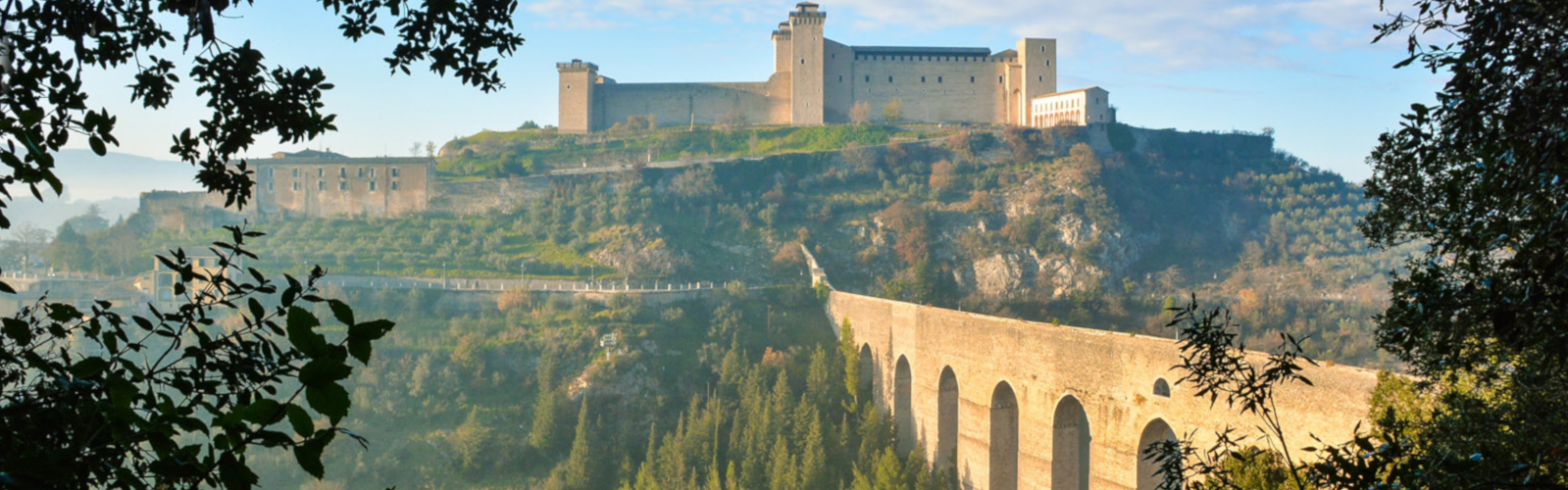
Few sights in Umbria are as unforgettable as Ponte delle Torri, the dramatic bridge that appears in nearly every panoramic photograph of Spoleto. Towering above the green Tessino valley and connecting the medieval fortress to the sacred mountain of Monteluco, it is one of central Italy’s most iconic pieces of architecture. For centuries, travelers, writers and engineers have described it with the same reaction: awe.

Today, after years of structural restoration, Ponte delle Torri is open again — and for many visitors, it has instantly become the highlight of their trip to Umbria.

This guide offers only verified facts, a clean storyline, and practical travel advice for international visitors.

A Landmark with Ancient Roots

The origins of Ponte delle Torri are partly hidden in time, but several facts are firmly established.

1. The structure visible today is medieval (13th century).

Most historians date the current bridge to the late 1200s, when Spoleto was an important strategic town between Rome and the Duchy of Spoleto’s mountain territories.

2. It was likely built on top of a Roman aqueduct.

Findings of Roman stonework, alignment, and the typical Roman practice of combining aqueduct and defensive elements strongly support this theory. However, the Roman origin is partly hypothetical — the exact Roman structure has not survived in full, but archaeological evidence makes it highly probable.

3. It served a dual function: aqueduct + defensive connection.

The upper channel brought water from Monteluco into Spoleto. Meanwhile, its elevated walkway allowed soldiers to cross quickly without descending into the valley.

Bridge of Towers in Spoleto – medieval aqueduct and fortress bridge in Umbria, Italy

4. The bridge survived earthquakes but required modern restoration.

Umbria is seismic, and although the bridge has resisted centuries of earthquakes, closures were necessary after the 2016 events for safety checks and major consolidation works. These works were completed, allowing a safe reopening.


Understanding the Architecture: Why the Bridge Looks So Unique

Ponte delle Torri is striking because of its proportions and engineering clarity. Here are the verified architectural facts:

• Length: approx. 230 meters (755 ft)

• Height: approx. 80 meters (262 ft)

• Number of arches: 10

• Material: limestone blocks from local quarries

• Function: aqueduct + pedestrian/defensive route

The ten arches are not uniform: they increase in size as the valley deepens. This gives the bridge its dramatic “stair-like” rhythm and creates perfect photographic symmetry from any vantage point.

The structure is massive — its walls are extremely thick — but its proportions are elegant, creating the illusion of lightness when seen from a distance.

Interestingly, despite its size, the bridge has no decorative elements. Everything is structural, functional, and purposeful. That’s why architects admire Ponte delle Torri: it is medieval engineering at its most rational and modern.


Historical Visitors and Famous Mentions

The bridge has fascinated writers and travelers for centuries. One of the most notable descriptions comes from Lord Byron, who called it “sublime”. His reference cemented Ponte delle Torri in the European cultural imagination as a bridge worth traveling to see.

Other documented visitors included 19th-century scholars and Grand Tour travelers who often compared the bridge to ancient Roman aqueducts such as those near Rome or Segovia — yet noted that its vertical drop and single-span height made it incomparable.


The Bridge and Spoleto’s Landscape

Ponte delle Torri sits between two equally important landmarks:

1. The Rocca Albornoziana

A 14th-century papal fortress dominating Spoleto’s skyline. From its terraces, you get the classic postcard photo: the full arches of the bridge floating above the trees.

2. Monteluco Forest

A sacred mountain covered with holm oaks, historically inhabited by hermits and monks. The bridge gave direct access to the monastic area.

The setting is part of the attraction: the combination of stone architecture, deep valley, and untouched greenery is genuinely breathtaking.


The Bridge Today: Reopened and Safe to Visit

Ponte delle Torri is fully open to the public, free of charge.

The reopening followed years of engineering work to reinforce the stone structure and guarantee safety for pedestrians.

You can now:

  • walk across at any time
  • take dogs on a leash
  • cycle (slowly and with respect for pedestrians)
  • enjoy one of the most scenic passages in Umbria

The crossing takes about 10–15 minutes at a relaxed pace, but most people spend more time photographing the views.

Lighting

In the evening, Ponte delle Torri is gently illuminated along its pedestrian walkway, creating a safe and pleasant atmosphere for visitors. At the same time, the full structure is clearly visible from a distance — especially from the main Terni–Perugia road, where the bridge stands out against the hillside. Thanks to this balanced lighting, the bridge remains impressive both up close and from afar, making sunset and early evening excellent times to admire and photograph it.

Two tourists walking on Ponte delle Torri, the medieval bridge in Spoleto, Umbria.

Is the Bridge Difficult to Walk?

The walk is flat, straightforward, and accessible to most visitors.
However, the approach from Spoleto’s center includes uphill medieval streets or escalators leading to the fortress level.

Wear comfortable shoes — the stones can be slightly uneven, as expected for medieval pathways.


What Else to See in Spoleto (Curated for International Tourists)

• Spoleto Cathedral (Duomo)

One of Italy’s most beautiful Romanesque façades, with frescoes by Fra Filippo Lippi.

• Roman Theater & Archaeological Museum

Still used for summer performances; excellent preservation.

• Basilica of San Salvatore (UNESCO)

A remarkable early-Christian church from the 4th–5th century.

• Rocca Albornoziana

Magnificent views and a fascinating interior courtyard.

• Monteluco Forest

Perfect for hiking, meditation, and panoramic walks.

Why Ponte delle Torri Matters for Modern Tourism

1. It is one of the tallest medieval bridges in Italy.

Verified by architectural data — very few medieval aqueduct-bridges reach this height.

2. It is a symbol of Spoleto’s identity.

Local tourism boards consistently use it in branding.

3. It attracts both international and domestic visitors.

Recent regional statistics show strong growth in foreign tourism in Umbria, especially in nature, heritage, and slow-travel segments. Spoleto benefits directly from these trends.

4. It connects urban culture with nature.

Few cities in Italy have such a dramatic natural gateway only minutes from the historic center.

When to Visit (Accurate Seasonal Breakdown)

Spring (April–June)

Best weather, clear skies, ideal for photography. Wildflowers bloom in Monteluco.

Summer (July–August)

Hot but lively; the Festival dei Due Mondi brings concerts and international visitors.

Autumn (September–October)

Golden light, mild temperatures, excellent for walking.

Winter (November–March)

Quiet and atmospheric; the bridge can be misty in the mornings, offering dramatic photos.


Best Photo Spots (Verified by Local Photographers)

Tourists often miss the best angles. These are the confirmed top 3 locations:

1. Rocca Albornoziana terraces

The full view of all arches — the classic shot.

2. The path descending toward the valley (Sentiero dei Condotti)

A side angle showing the height and symmetry of the arches.

3. Monteluco viewpoint

A higher viewpoint for wide landscape photos.

Tourist photographing Ponte delle Torri on the medieval bridge in Spoleto, Umbria.

Useful Travel Tips

  • No ticket needed: the bridge is always free.
  • No barriers or long security lines: easy, informal access.
  • Bring water in summer: there are no fountains on the bridge itself, but Spoleto has many public drinking fountains along the walking routes leading toward Ponte delle Torri. Just bring your bottle with you — you’ll be able to refill it easily before reaching the bridge.
  • Parking: best to park at the closest available parking and then take the Spoleto escalators from the lower city.
  • Food nearby: try strangozzi alla spoletina, black truffle dishes, or local cured meats in restaurants near Piazza del Duomo or at Valle Rosa

🌿FAQs (Fact-Checked)

Is Ponte delle Torri safe?

Yes. It reopened only after structural reinforcement and safety evaluations.

Is it suitable for children?

Yes, but watch them closely due to the height and stone walkways.

Can you bike across it?

Yes, but slowly and yielding to pedestrians.

Are drones allowed?

Only with authorization. The area around the Rocca is regulated.

Can you visit it at night?

Yes, it remains accessible 24/7.


Why Ponte delle Torri Should Be on Every Umbria Itinerary

Because it offers something rare:
a combination of untouched nature, medieval engineering, ancient history, and unforgettable views — all in one walk.

Spoleto is already a jewel of Roman, medieval, and Renaissance heritage, but Ponte delle Torri adds a spectacular outdoor experience that no photo fully captures.

For travelers exploring Tuscany and Umbria by car, for hikers seeking meaningful landscapes, or for culture-lovers following the Grand Tour routes, Ponte delle Torri feels like a discovery — even if thousands have crossed it before.

If you’re planning a trip to central Italy, don’t miss it.
And if you’re already in Umbria, make Spoleto your next stop.


Where to Stay in Spoleto and Umbria: Practical Tips for Choosing the Right Accommodation

If you are exploring the wider region, you’ll find a large variety of accommodation in Umbria: B&Bs, agriturismi, boutique hotels, country houses, and holiday apartments. Choosing the best option depends on your travel style. Staying in the historic center gives you quick access to churches, museums, and restaurants. Staying in the countryside provides views, quiet spaces, and easier parking — a major advantage for travelers arriving by car.

If you want to understand the difference between Italian accommodation categories — hotels, B&Bs, guesthouses, holiday homes, agriturismi — read our complete guide here:
👉 Types of Tourist Accommodation in Italy

Whichever option you choose, Spoleto and the Umbrian countryside offer authenticity, nature, and a peaceful atmosphere — ideal for travelers looking to experience central Italy at a slower, more meaningful pace.

You might also like:
Driving in Italy: Essential Tips Every Tourist Must Know Before Renting a Car Read more →

Stay Connected

For more updates, photos, and stories from Adagio Umbro, follow us on our social media channels:

Driving in Italy: Essential Tips Every Tourist Must Know Before Renting a Car

Driving in Italy: Essential Tips Every Tourist Must Know Before Renting a Car

Driving in Italy is one of the most enjoyable ways to explore the country. From the rolling hills of Umbria to the medieval streets of Spoleto, Assisi, Orvieto, and beyond, having a car allows travelers to reach small towns, countryside retreats, vineyards, and hidden panoramic viewpoints that public transport doesn’t always cover well.
However, Italy also has strict rules, unique traffic systems, and cultural driving habits that many foreign visitors don’t know. This practical guide explains everything tourists need to understand before renting a car — speed limits, ZTL zones, parking lines, tolls, fuel types, and how hotels handle license plates in historic centers.

1. What Documents You Need to Drive in Italy

Italy requires drivers to carry:

  • A valid driving licence
  • Passport or national ID
  • Rental contract
  • Insurance documents (provided by rental company)

EU/UK licences are accepted.
Travelers from the USA, Australia, Canada, and most non-EU countries usually need an International Driving Permit (IDP) alongside their original licence.

Police often carry out random checks on highways or during traffic controls. If stopped, the process is simple: officers request your documents, verify the rental agreement, and check the vehicle number plate.


2. Understanding Speed Limits & Speed Cameras

Speed limits in Italy are:

  • 50 km/h – inside cities and towns
  • 70–90 km/h – local and provincial roads
  • 110 km/h – main state roads (superstrade)
  • 130 km/h – highways (Autostrade)

Italy uses two types of speed enforcement:

Autovelox

Fixed or mobile speed cameras (often orange or blue boxes). They record your plate instantly if you exceed the speed.

Tutor (Average-Speed System)

Installed on highways. It calculates your average speed between two distant points. Even if you slow down before the camera, the system still registers your real average.

Important Rental companies receive traffic fines automatically and may charge your credit card weeks after your trip has ended.

3. ZTL Zones: The #1 Source of Tourist Fines

A ZTL (Zona Traffico Limitato) is a limited traffic zone located in historic city centers.
It is controlled by cameras, not barrier gates.

If your car passes through a ZTL gate without authorization, even for one second, the system records your plate and issues a fine automatically. Each entry counts as a separate fine.

Where ZTL Zones Are Common

  • Rome
  • Florence
  • Siena
  • Orvieto
  • Perugia
  • Bologna
  • Spoleto
  • Almost every medieval town in Italy

How to Recognize a ZTL Gate

Look for:

  • A white sign with a red circle
  • Digital panel saying “VARCO ATTIVO” (active – do NOT enter)
  • “VARCO NON ATTIVO” means entry is allowed, based on time schedules

If Your Hotel Is Inside the ZTL

This is a crucial point many tourists don’t know.

Many hotels and B&Bs inside ZTL zones can communicate your car’s license plate to the municipal police, authorizing your entry and avoiding fines.
However:

  • You must contact the accommodation BEFORE arrival
  • Provide your plate number
  • Ask for confirmation if registration is available

If you don’t inform them, the fine is issued automatically.

If Your B&B Cannot Register Plates

Some small B&Bs are not authorized to register number plates.
In this case:

  • You cannot enter the ZTL
  • You must park outside the ZTL
  • Look for the nearest public parking garage or paid parking area

This is normal and happens in many historic towns.


4. Parking in Italy: Blue, White, and Yellow Lines

Italy uses three main parking line colors:

White Lines – Free Parking

Free of charge.
In some towns you must use a disco orario (a paper clock disk showing your arrival time).

Blue Lines – Paid Parking

These require payment at a ticket machine or through an app. Prices vary from €1 to €3 per hour depending on the city.

Yellow Lines – Restricted

Reserved for:

  • Residents
  • Disabled permit holders
  • Loading/unloading areas
  • Official vehicles

Tourists cannot park here.

Avoid Tow-Away Zones

Signs with “Rimozione Forzata” mean your car can be towed.


5. Parking Advice for Hotels & B&Bs

If You Stay in the Countryside

Most countryside hotels, agriturismi, villas, and B&Bs offer:

  • Free private parking
  • No ZTL
  • No city restrictions
  • Easy access by car

This is one of the main advantages of staying outside historic centers — stress-free arrival.

If You Stay in City Centers

City-center B&Bs located near or inside ZTL zones require careful planning:

  • Look for the closest parking garage outside the ZTL
  • Park there and walk to the accommodation (usually 3–10 minutes)
  • Always check ZTL activation hours
  • Never rely 100% on Google Maps as GPS often sends tourists through ZTL zones

If uncertain, call the hotel and ask for parking instructions.

If you’re still deciding where to stay, it’s useful to understand how Italian accommodations differ. From agriturismi to boutique B&Bs and historic palazzi, each option offers a different travel experience, level of comfort, and set of services. You can learn more in our complete guide here: Types of Accommodation in Italy – What’s the Difference?


6. Fuel: Petrol, Diesel & Self-Service Stations

Italian fuel names differ from English:

  • Benzina = Petrol
  • Gasolio = Diesel
  • GPL = LPG (for specific vehicles)

Many rental cars in Italy are diesel.

Servito vs Self

  • Servito: a staff member fills the tank for you. More expensive.
  • Self: you fill it yourself. Cheaper.

24-hour stations use prepaid machines that accept cards or banknotes.

Attention Putting the wrong fuel type in the car leads to high repair penalties charged by the rental company.

7. Tolls & Using the Italian Highway System

Italian highways (“Autostrade”) use tolls.

How It Works

  1. Take a ticket when entering the highway.
  2. Insert the ticket when leaving.
  3. Pay in cash, card, or contactless.

Telepass

Dedicated yellow lanes for automatic subscribers.
Do not enter these lanes unless your rental agreement explicitly includes Telepass.
Mistakenly entering can generate an administrative fine.


8. Roundabouts & Italian Driving Style

Roundabouts

  • Cars already inside have priority.
  • Always use turn signals when exiting.
  • Stay in your lane — Italian roundabouts often have two lanes.

Driving Culture

Italian drivers are:

  • Fast
  • Assertive
  • Predictable

Do not hesitate abruptly; drive smoothly and clearly.
If you keep a calm, steady pace, you will blend into Italian traffic without problems.


9. Car Breakdowns & Emergency Numbers

If you experience a problem:

  • 112 – European emergency number
  • 113 – Police
  • 118 – Medical emergencies
  • 115 – Fire brigade

On highways, there are orange or yellow emergency pillars every few hundred meters.

Italian law requires:

  • Safety triangle
  • High-visibility reflective vest
  • Hazard lights

These must be available inside all rental vehicles.


10. Renting a Car: Insurance, Deposits & Hidden Costs

Car rental companies in Italy typically offer:

  • CDW (Collision Damage Waiver)
  • LDW (Loss Damage Waiver)
  • Super Cover / Full Protection

A large credit card deposit is often held during the rental.
Always inspect the car before leaving:

  • Photograph all scratches
  • Check mirrors, windshield, wheels
  • Confirm fuel policy (usually “full to full”)

This protects you from unfair additional charges.


Extra Advice for a Stress-Free Trip

  • Do not rely blindly on GPS: update your maps and always look for ZTL signs.
  • Never leave luggage visible in the car in big cities.
  • In the countryside (especially Umbria), roads are safe but can be narrow and curvy – observe road signs.
  • Large SUVs may be difficult to maneuver in medieval villages.
  • Learn the basic Italian words: uscita (exit), ingresso (entrance), pedaggio (toll).

Driving in Italy is a fantastic way to discover the country. With a bit of preparation and awareness of local rules — especially ZTL zones, parking lines, and speed cameras — your trip will be smooth and enjoyable. Countryside B&Bs offer easy parking and stress-free access, while city centers require more attention to ZTL restrictions and public parking options. By following these tips, you can travel confidently, avoid fines, and experience Italy at your own pace — from quiet Umbrian valleys to historic hilltop towns.

🌿FAQ about driving in Italy

Do I need an International Driving Permit to drive in Italy?

Yes. EU and UK drivers do not need an IDP. Travelers from the USA, Canada, Australia and most non-EU countries must carry an International Driving Permit together with their national licence

What happens if I accidentally enter a ZTL zone?

Your licence plate is automatically photographed and a fine is issued. Each entrance is a separate fine, even if it happens within minutes.

How do I know if a hotel can register my licence plate for ZTL access?

You must contact the hotel before arrival. Only registered accommodations can authorize your vehicle; if they can’t register plates, you must park outside the ZTL.

Are speed cameras common in Italy?

Yes. Italy uses thousands of Autovelox and “Tutor” average-speed systems on highways. Speed fines can be sent to your home country months after your trip.

Is driving in Italian cities difficult for foreigners?

Yes, it can be challenging due to narrow streets, ZTL zones, scooters, and limited parking. Countryside and regional roads are usually easier and more comfortable.

What do white, blue, and yellow parking lines mean?

White lines = free parking.
Blue lines = paid parking.
Yellow lines = reserved (residents, disabled permits, deliveries). Tourists cannot park on yellow lines.

Can I pay highway tolls with a credit card?

Yes. Toll booths accept cash, cards, and contactless. Only use “Telepass” lanes if your rental includes the device.

Which fuel should I use in my rental car?

Most rentals in Italy are diesel (“Gasolio”). Petrol is “Benzina.” Using the wrong fuel will result in high penalties and towing fees.

Is Google Maps reliable for driving in Italy?

Mostly yes, except in historic centers. Google Maps may direct you through ZTL gates, so you must always follow road signs before following GPS.

What should I do if the police stop me while driving?

Stay calm and provide your licence, passport, rental agreement, and insurance. Checks are standard and usually quick.

You might also like:
Strikes in Italy: Essential Travel Guide for Tourists Read more →

Stay Connected

For more updates, photos, and stories from Adagio Umbro, follow us on our social media channels:
Strikes in Italy: Essential Travel Guide for Tourists

Italy experiences regular national and local strikes that can affect trains, airports, and public transport. For tourists, this often creates uncertainty, but essential services continue operating, and with basic preparation it’s easy to travel smoothly even on strike days. This guide explains how strikes work in Italy, what usually stops, what continues, and how visitors can plan without stress.

When planning a trip to Italy, it’s essential to know not only how strikes work but also the basics of traveling in the country: how trains operate, what “guaranteed services” mean, and why some days may have reduced public transport. Understanding these rules helps tourists avoid stress and enjoy smooth travel across Italy.

Strikes on 27–28 November 2025 (Nationwide Rail Strike + General Strike)

On 27–28 November 2025, Italy will experience a major nationwide disruption due to a 24-hour rail strike, beginning at 21:00 on Thursday 27 November and ending at 21:00 on Friday 28 November. According to Focus on Travel News and local Italian media (InTrieste), this strike includes Trenitalia, Italo, and regional train services. Travelers should expect widespread cancellations, longer waiting times, and reduced frequency on both long-distance and regional routes. On 28 November, a broader general strike is also scheduled, which may affect public transport in cities, some government offices, and airport ground operations. Tourists moving between Rome, Florence, Milan, Umbria, or smaller towns like Spoleto should plan alternative routes, travel during guaranteed train hours, or adjust itineraries to avoid tight connections.

General Strike on 12 December 2025 (CGIL – National Level)

A national general strike has been announced for 12 December 2025 by Italy’s largest union, CGIL, in protest against the government’s budget measures. This strike is expected to affect several sectors simultaneously, including transport, public administration, local services, and potentially schools. Rail and airport operations may experience slowdowns or partial cancellations, although essential services will still be guaranteed by law. Tourists traveling during this period, especially before the Christmas holidays, should monitor updates and allow extra time for trains, taxis, and airport procedures. Despite the disruption, Italy remains fully accessible — travel is still possible with flexible planning.


What Tourists Should Know About Strikes in Italy

Strikes (“scioperi”) happen frequently in Italy because they are a legally protected form of protest. Workers across sectors—transport, schools, aviation, public offices, and private companies—use them to negotiate salary adjustments, contract changes, or better working conditions. Unlike sudden strikes in some countries, Italian strikes are almost always announced in advance, which gives travelers predictable information and time to adjust their plans.

For visitors, the most important thing to understand is this: Italy rarely shuts down completely. Instead, services operate with reduced schedules, delays, or limited availability.


How Strikes Work: The Italian System

Italian strikes fall into a few main categories:

  • National strikes: These affect the entire country and may involve trains, airports, buses, or schools.
  • Sector strikes: Only one category of workers participates—e.g., railway staff, air traffic controllers, or municipal services.
  • Local strikes: Specific cities or regions, such as Rome, Milan, Umbria, or Spoleto.
  • Company-specific strikes: Example: only Trenitalia staff or only workers of one airline.

The key feature is mandatory pre-notification. Unions must announce strikes publicly and comply with legal timeframes, which is why tourists can always find reliable information days or weeks in advance.


Which Transport Services Are Most Affected?

1. Trains (Trenitalia, Italo, and Regional Lines)

Train strikes are the most common and the most noticeable for tourists. They can cause:

  • Reduced frequency
  • Delays or slowdowns
  • Partial cancellations of long-distance or regional trains

However, it’s rare for the entire railway system to stop. Even during national strikes, essential train services continue running.

2. Local Public Transport (Buses, Metro, Trams)

Cities like Rome, Milan, Naples, Florence, Bologna, and Turin often face local 4-hour or 8-hour strikes. During these periods:

  • Buses and trams may stop
  • Metro lines reduce frequency or temporarily pause
  • Peak-hour services usually continue

Outside big cities, the impact is lighter.

3. Airports

Airport strikes involve:

  • Security staff
  • Ground handling staff
  • Baggage handlers
  • Check-in operators

During an airport strike:

  • Flights are rarely fully cancelled
  • Expect longer queues
  • Some flights may be rescheduled

Airlines publish confirmed and cancelled flight lists in advance.

4. Ferries and Maritime Transport

Less common, but occasionally ferries may operate on reduced schedules, especially on local island connections.


Guaranteed Services (“Servizi Minimi Garantiti”)

Italy has strict laws protecting travelers during strikes. The most important rule:

Certain train services must always run during specific time windows.

These are the peak-hour “treni garantiti”, usually operating in two main time slots:

  • 06:00–09:00
  • 18:00–21:00

During these hours, essential regional and commuter trains continue even during a strike.

For tourists, this system is crucial because it allows travel at predictable times, even when the rest of the timetable is reduced.


How to Check Strike Information (Reliable Sources)

Tourists should always check the strike announcement a few days before travelling. The best official sources are:

  • Commissione di Garanzia Scioperi — Italy’s national strike calendar
  • Trenitalia (section “In caso di sciopero”)
  • Italo (section “Avvisi ai viaggiatori”)
  • ENAC — for flight and airport-related strikes
  • Local transport websites (ATAC Rome, ATM Milan, Busitalia Umbria)

Most strikes are communicated 48–72 hours before they start, and updates continue until the same day.


Airport Travel During Strikes: What to Expect

Italian airports follow the same national rules for essential services. Even when ground staff strike:

  • Security checkpoints remain open
  • Minimum staff must operate
  • Aircraft cannot depart without essential personnel

The result is slower service rather than full shutdowns.

Airlines such as ITA Airways, Ryanair, EasyJet, and WizzAir publish:

  • Flights guaranteed
  • Flights cancelled
  • Flights rescheduled

Passengers are usually offered free rebooking or full refunds.


Travel Tips for Tourists on Strike Days

1. Travel During Guaranteed Time Slots

Morning and evening windows guarantee movement, even during national strikes.

2. Avoid Tight Connections

Do not plan:

  • Train → flight in less than 3 hours
  • Train → tours with strict schedules
  • Last train of the day

Strikes often mean delays of 20–90 minutes.

3. Arrive Early

For airports and large train stations, arrive 45–60 minutes earlier than usual.

4. Download Essential Apps

  • Trenitalia
  • Italo
  • Rome2Rio
  • Airline apps

These provide real-time updates and notifications.

5. Keep Flexibility

Always have an alternative route:

  • Regional buses
  • Renting a car
  • Taxi or shared taxi
  • Car-sharing (Enjoy, ShareNow, LeasysGo)

6. Keep Digital and Printed Tickets

During strikes, trains may be replaced or rerouted. Having fast access to your ticket speeds up checks.

Strikes in Umbria and Spoleto: What Tourists Should Expect

Umbria is quieter than Rome or Milan, so strikes are less disruptive.

Typical effects in Spoleto, Assisi, Perugia:

  • Regional trains may reduce frequency
  • Trenitalia long-distance trains may be rescheduled
  • Local buses (Busitalia Umbria) may have limited service for a few hours
  • Cars, taxis, and private transport remain unaffected

Travelers between Spoleto – Rome – Florence should simply choose guaranteed trains and allow extra time.

Most attractions, restaurants, museums, and hotels remain open. Tourism activities continue normally.


How Strikes Affect Daily Life for Tourists

Despite the reputation, Italian strikes rarely ruin travel plans. Instead, they create small inconveniences such as:

  • Waiting longer on platforms
  • Slower airport queues
  • Reduced transport frequency
  • Occasional last-minute changes

Tourists who understand how Italian strikes work usually find the experience manageable.


FAQs: Tourist Questions About Italian Strikes

Are all trains cancelled during a strike?

No. Morning and evening guaranteed trains run, and many long-distance trains operate with small adjustments.

Do tourists get refunds for cancelled trains?

Yes. Trenitalia and Italo offer full refunds or free rebooking for cancellations related to strikes.

Do museums and restaurants close on strike days?

No. The strike system does not affect tourism businesses.

Are strikes dangerous?

No. They are peaceful and highly regulated.

Should I avoid travelling on strike days?

Not necessary. Just allow flexibility in your schedule.


Strikes in Italy are a normal part of local life and rarely create serious problems for visitors. With guaranteed services, early planning, and simple backup options, tourists can travel safely even on strike days. By understanding how the Italian strike system works, visitors feel more prepared, less stressed, and free to enjoy Italy’s cities, culture, food, and landscapes—including peaceful Umbrian towns like Spoleto.

When visiting Italy, being prepared makes a huge difference. Keep train apps installed, check strike calendars 48 hours before travel, travel during guaranteed time slots, and avoid tight train-to-flight connections. Italy has an efficient system even on strike days, and with a bit of preparation—flexible plans, alternative routes, and early station arrival—your trip will remain smooth, especially if you’re exploring peaceful regions like Umbria and Spoleto.

You might also like:
Italy Strikes Travel Info — Guaranteed Hours, Official Resources Read more →

Stay Connected

For more updates, photos, and stories from Adagio Umbro, follow us on our social media channels:
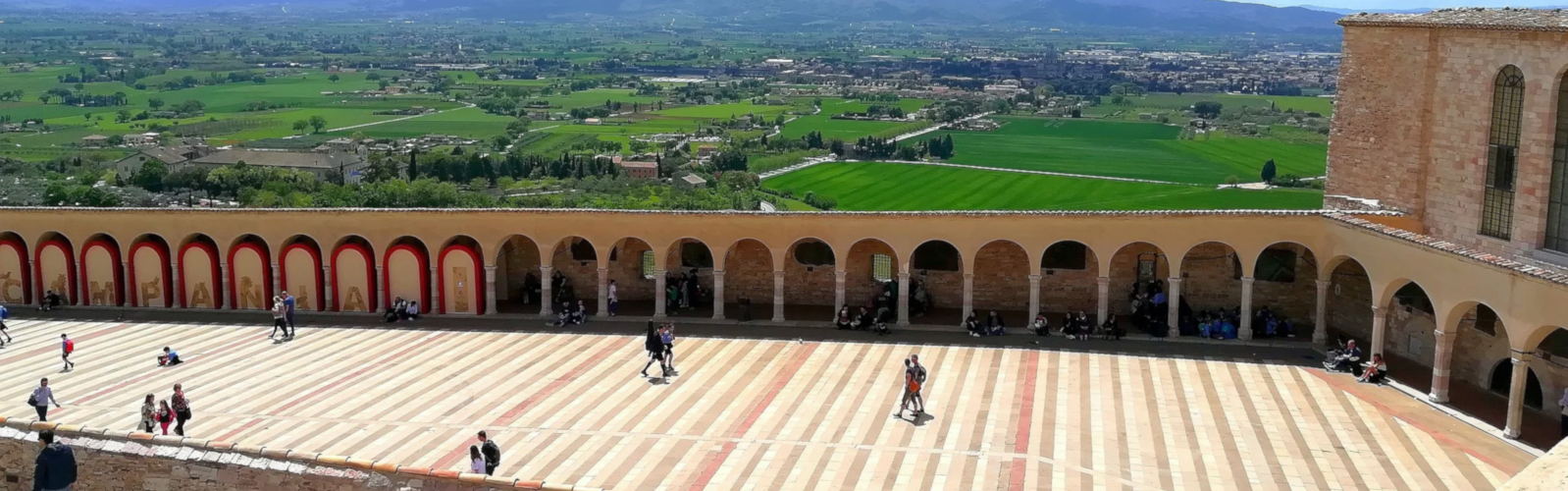
How to Use the escalators in Spoleto – Free Underground Walkways to Discover the City

How to Use the escalators in Spoleto:
Free Underground Walkways to Discover the City

Hidden beneath the ancient streets of Spoleto lies one of Italy’s most surprising urban innovations — the Tapis Roulant, a network of free underground escalators and moving walkways that quietly carry visitors through the heart of this medieval hill town. Far from being a modern intrusion, this system has become an elegant and sustainable way to explore Spoleto’s steep slopes without the usual fatigue or parking stress.

The Tapis Roulant connects the main car parks at the base of the town with its historic centre, the Duomo, and the Rocca Albornoziana fortress, transforming what used to be a demanding climb into a comfortable and fascinating journey. Whether you are visiting for a day or staying longer in Umbria, learning how to use the Tapis Roulant will make your experience smoother, greener, and more enjoyable.

What Is the Tapis Roulant in Spoleto?

In Italian, “tapis roulant” usually means treadmill — but in Spoleto, it means something entirely different. Here, the term refers to a public system of moving walkways, escalators, elevators, and pedestrian tunnels built beneath the town. The project was developed to protect the historic center from traffic while keeping it accessible to everyone, including visitors with reduced mobility.

The result is a network that combines modern engineering with medieval charm. As you glide through the tunnels, you move effortlessly from the contemporary city below to the timeless atmosphere of the upper town. The Spoleto’s underground escalators are completely free of charge and operates daily from morning until evening. Clear signs in Italian and English guide visitors from each access point, making it easy even for first-time travelers.

Where to Park and How to Access the System

One of the main advantages of the underground escalators in Spoleto is that it solves a common problem in hill towns — parking. Instead of circling narrow streets, you can leave your car in one of Spoleto’s three main car parks located at the base of the historic center:

1. Ponzianina Parking – Perfect for those arriving from Foligno or Perugia. It connects directly to the Piazza della Libertà area and the lower end of Corso Garibaldi. GPS coordinates: LAT 42°44’16.62″N – LONG 12°44’31.38″E ; LAT 42,73795 N – LONG 12,74205 E

2. Posterna Parking – The best choice if your goal is to visit the Rocca Albornoziana, Ponte delle Torri, or the Duomo. From here, a series of escalators and tunnels guide you up through multiple levels, ending just below the fortress walls. GPS coodrinates: LAT 42°44’17,67”N– LONG 12°44’3.99”E ; LAT 42,73824N – LONG 12,73444E

3. Spoletosfera / Matteotti Parking – Located near the modern part of town, it’s convenient for visitors who wish to explore both the newer districts and the historic core. GPS coordinates: LAT 42°43’39.69″N – LONG 12°43’55.49″E ; LAT 42,72769N – LONG 12,73208E

Inside each parking area, look for signs that read “Percorso Meccanizzato” or “Scale Mobili.” The moment you step inside, the air turns cooler, the light softens, and the city noise disappears — replaced by the smooth rhythm of the moving walkways beneath the hill.

4. San Carlo Bus Station Parking (EV Charging Point) – located at the southern entrance of Spoleto near the bus station, this paid car park includes one electric-vehicle charging station (Type 2). It’s convenient for travellers arriving from Rome or Terni who prefer to leave their car outside the historic centre and reach the city via the nearby ubdegroung mecanical elevatort or on foot.

Map of Spoleto Parkings and Undeground Escalators Access, Key exits

The Journey Up: From Underground to the Rocca

The most scenic route is the Posterna Path. It starts near the Posterna car park and takes about 10 to 15 minutes to reach the top. Along the way, you’ll find several exits, each opening into a different part of the historic centre:

Via del Mercato – Perfect if you want to visit cafés, small shops, or the Renaissance Teatro Caio Melisso.
Piazza Campello – Brings you directly to the Duomo di Spoleto, one of the most beautiful cathedrals in Umbria, decorated with frescoes by Filippo Lippi.
Rocca Albornoziana – The final stop, where the fortress crowns the city with panoramic views over the valley, the Ponte delle Torri, and the Monteluco forest.

Once you reach the Rocca, step outside to enjoy one of Umbria’s most breathtaking views. From here, many travellers choose to walk down through the historic streets — a gentle descent past old stone houses, arches, and viewpoints that change with every corner.

Walking Down Through History

Descending from the Rocca is like walking through an open-air museum. Within minutes you’ll reach the Piazza della Signoria and the Duomo, framed by cypress trees and centuries-old façades. Continue along Via del Duomo, one of Spoleto’s most photogenic streets, where local shops sell handmade ceramics, truffles, and olive oil.

If you follow the road further, you’ll arrive in Piazza del Mercato — once the Roman forum, now a lively square filled with cafés and gelaterias. From there, you can easily re-enter the underground tunnels and glide back down to your parking area. The full route — up through the tunnels and down through the medieval lanes — offers the perfect balance between comfort and discovery.

💡 Tip: You can download the official Tourist Map of Spoleto here →

A Model of Sustainable Urban Tourism

The Tapis Roulant or undeground escalators is more than a convenience; it’s a symbol of how a small Italian city can combine history and sustainability. By limiting car access to the historic center, Spoleto has preserved its architectural heritage while improving mobility for residents and visitors alike. The system promotes walking, reduces emissions, and makes cultural sites accessible to everyone, regardless of age or physical ability.

For travellers interested in slow tourism — travel that values authenticity, well-being, and local connection — Spoleto’s underground walkways perfectly reflects Umbria’s green and mindful spirit. Every ride through the tunnels is a small gesture toward more responsible travel, reminding visitors that sustainability can be simple, silent, and beautiful.

Undeground walkways – Underground escalators connecting parking areas to the historic centre.
The Spoleto escalators – an underground system of moving walkways linking car parks to the upper historic centre.

In Memory of Mayor Fabrizio Cardarelli

The final phase of the underground walkways system, linking the Posterna parking area to the Rocca Albornoziana, was completed and inaugurated in December 2014 under the guidance of Mayor Fabrizio Cardarelli. A respected teacher and civic leader, Cardarelli devoted his term to making Spoleto more accessible, welcoming, and sustainable. He believed that beauty should belong to everyone — not just those able to climb its steep streets.

When he passed away suddenly in 2017, the entire community mourned deeply. Residents still speak of him with affection, remembering his warmth, humility, and his vision for a Spoleto open to all. Today, every visitor who glides through the tunnels of the Spoleto underground, in a way, through part of his legacy — a gift of movement, inclusion, and love for the city he served.

In the hearts of the Spoletini, Fabrizio Cardarelli is remembered as perhaps the city’s most loved mayor of the past generation, admired for his integrity, kindness, and commitment to making Spoleto accessible to everyone.

Travel Tips

Opening hours: generally 7:00 am – 9:00 pm (subject to seasonal changes).
Cost: completely free for everyone.
Accessibility: equipped with elevators and wide walkways, suitable for wheelchairs and strollers.
Languages: bilingual signage (Italian / English).
Safety: well-lit, air-conditioned, and monitored by CCTV.
Best time to visit: early morning or sunset, when the upper city glows with golden light.

During summer events such as the Festival dei Due Mondi (Festival of Two Worlds), the Underground walkways system becomes especially useful to avoid traffic and reach the venues comfortably.

Combine City and Nature: Stay Near Spoleto

After exploring the tunnels and the old town, you can unwind in the quiet countryside just outside the city. Adagio Umbro, located only a few minutes’ drive from Spoleto, offers a relaxing retreat surrounded by green hills. Guests can enjoy a peaceful garden, a tennis court, and outdoor spaces for picnics or slow afternoons under the Umbrian sun.

With free private parking, breakfast included, and Wi-Fi throughout the property, Adagio Umbro is an ideal base for travellers who love both culture and comfort. From here, you can easily reach Spoleto, Assisi, Trevi, or Montefalco by car — all within an hour’s scenic drive through Umbria’s rolling hills.

Why the Tapis Roulant Is More Than Just an Escalator

Many visitors arrive in Spoleto expecting another hill town full of steep climbs, and they are delighted to discover that movement here has been reinvented. The Tapis Roulant is now part of the city’s identity: a meeting point between heritage and innovation, comfort and authenticity. As you ride through the tunnels, surrounded by modern architecture and subtle lighting, you emerge into sunlit piazzas framed by medieval towers — a seamless transition between eras.

For travellers who believe that exploration should be both accessible and meaningful, the underground system of escalators embodies that philosophy. It proves that sustainability doesn’t require sacrifice — it can mean discovering a city at your own pace, with ease, grace, and awareness.

FAQs About Visiting Spoleto Undeground

The Tapis Roulant is a free system of underground moving walkways, escalators, and elevators that connects Spoleto’s main car parks to its historic centre. It allows visitors to reach the Duomo and Rocca Albornoziana comfortably without climbing steep streets.
Yes, it’s completely free for everyone — residents and tourists alike. The city of Spoleto maintains it as a public service to encourage sustainable tourism and reduce car traffic in the historic center.
Typically, it operates from 7:00 am to 9:00 pm, though hours may vary seasonally. During major events like the Festival dei Due Mondi, it may stay open longer.
  • Posterna Parking – Best for reaching the Rocca, Duomo, and Ponte delle Torri.
  • Ponzianina Parking – Ideal if you’re arriving from Foligno or Perugia.
  • Spoletosfera / Matteotti Parking – Convenient for exploring both the modern and historic parts of the city.
From the Posterna parking area, it takes around 15–30 minutes to reach the Rocca Albornoziana using the escalators and tunnels.
Yes. The system includes elevators and wide walkways, making it fully accessible to people with reduced mobility, strollers, and luggage.
Park at Posterna, take the underground walkwaysup to the Rocca, enjoy the panoramic view, then walk down through Piazza Campello and the Duomo, ending at Piazza del Mercato. It’s the perfect mix of comfort and discovery.
It reduces car traffic in the historic centre, protects medieval architecture from pollution, and promotes walking — embodying Umbria’s values of slow, mindful travel.

Conclusion: One Perfect Day in Spoleto – Blend of Culture, Comfort, and Sport

In just one day, Spoleto gives you a rich taste of Umbrian life -its timeless art, majestic nature, and warm hospitality.

Spoleto is more than a historical site – it’s a portal into a grander, slower-paced way of life. When paired with the rejuvenating joys of a tennis holiday at our private property, your trip becomes truly unforgettable. Whether you’re a history buff, a sports enthusiast, or a leisure traveler looking for a unique experience, Spoleto offers the perfect Italian escape. We invite you to discover its magic—on and off the court.

At the top of the hill of Spoleto’s historic centre, near the Ponte delle Torri and the Rocca Albornoziana, stands the elegant Hotel Gattapone. Overlooking the green Umbrian valley, this early 20th-century hotel has become one of Spoleto’s most iconic landmarks. Its panoramic terraces offer unforgettable views of the medieval bridge and surrounding hills — a peaceful retreat for travellers, artists, and anyone inspired by the timeless charm of Umbria.

You might also like: What to Do in Umbria in Autumn: Read more →
You might also like:
What to Do in Spoleto in One Day Read more →

Stay Connected

For more updates, photos, and stories from Adagio Umbro, follow us on our social media channels: