What Is Umbria Known For?
The Complete Guide to Italy’s Green Heart
The Complete Guide to Italy’s Green Heart
Umbria is one of Italy’s most enchanting regions — a landlocked jewel in the very center of the country, between Rome and Florence. Known as “the Green Heart of Italy”, it is the only region in central Italy without a coastline, and yet it attracts travellers seeking nature, medieval towns, artisanal food, wine, spirituality, and slow travel.
Unlike Tuscany — its world-famous neighbour — Umbria remains more intimate, wild, and authentic. Its forests, medieval villages, olive groves, and rolling mountains give travellers the sense of discovering a hidden Italy, where life moves calmly and traditions are preserved.
Below is a comprehensive guide to what Umbria is truly known for — based on verified, reliable information and official tourism statistics.
Italy’s Green Heart: Nature, Forests, and Protected Landscapes
Umbria’s nickname, Il Cuore Verde d’Italia, is not a marketing phrase — it reflects the reality of the region. More than 30% of Umbria’s territory is covered by forests, one of the highest percentages in Italy. The region is defined by:
- Mountain landscapes (Appennino Umbro-Marchigiano)
- Protected oak forests, including ancient Quercus pubescens and Quercus cerris
- National and regional parks:
These forests support rare wildlife such as the Apennine wolf, porcupine, eagle, and migratory birds. Trails for hiking, trekking, and cycling cross the region.
International travellers often describe Umbria as “Italy before the crowds” — natural, quiet, and deeply green.
Spiritual Heritage: Saint Francis, Basilicas, and Pilgrims’ Routes
Umbria is the birthplace of Saint Francis of Assisi, one of the world’s most beloved saints. This makes the region a global centre of spirituality.
Umbria is known for:
- The Basilica of San Francesco in Assisi (UNESCO World Heritage Site)
- The Basilica of Santa Maria degli Angeli
- The Hermitage of the Carceri (forest sanctuary)
- The Franciscan Trail (Cammino di Francesco) — a pilgrim route walked by thousands every year
- The Cathedral of Spoleto and the Duomo of Orvieto, St. Patrik’s well of Orvieto
Travellers come for retreats, meditation, and quiet stays in monasteries or nature-immersed accommodations.
Medieval Towns and Authentic Villages
Umbria has an extraordinary density of medieval hilltop towns, many perfectly preserved:
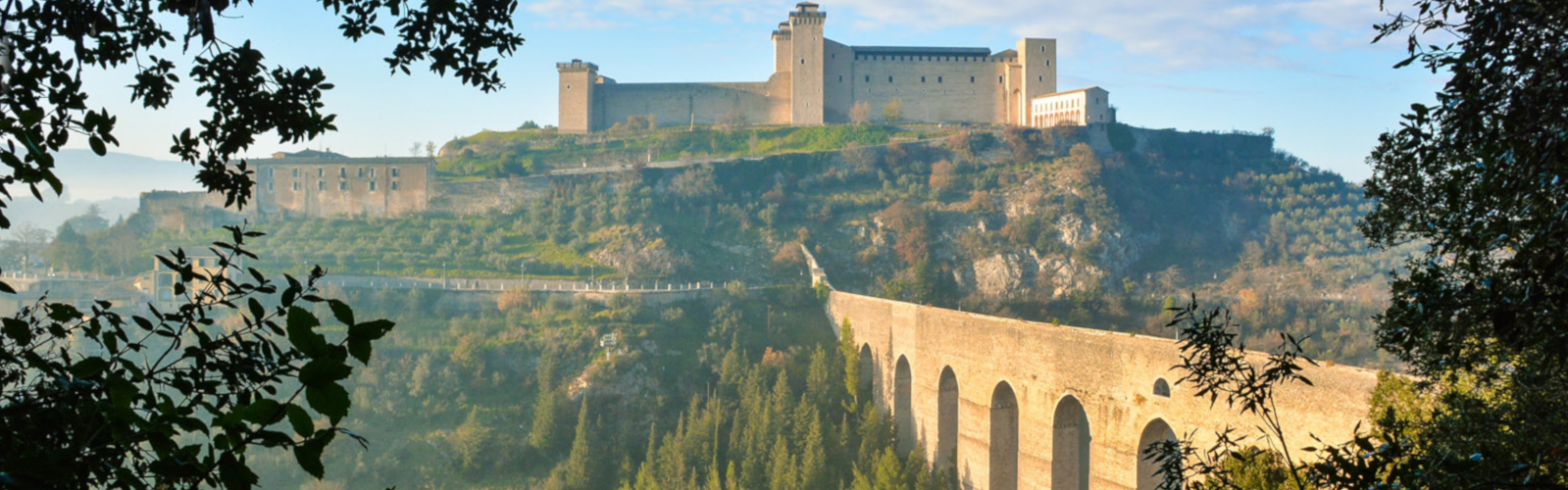
- Spoleto (Roman theatre, Ponte delle Torri, Rocca Albornoziana)
- Assisi (UNESCO)
- Perugia (capital, famous for chocolate and Etruscan origins)
- Orvieto (Duomo, underground city)
- Gubbio (ancient streets, Corsa dei Ceri festival)
- Todi, Trevi, Bevagna, Montefalco, Spello, Narni, Norcia
These towns offer a slower rhythm, artisan shops, stone streets, and panoramas from every corner.
For visitors seeking authentic Italy — not the over-touristed experience — Umbria is a rare treasure.
Olive Oil: One of Italy’s Finest DOP Oils
Umbria is one of Italy’s most prestigious producers of extra virgin olive oil.
Its olive groves stretch across:
- Trevi
- Spello
- Spoleto
- Montefalco
- Giano dell’Umbria
- Assisi
- Orvieto
The region holds the DOP Umbria designation, with five sub-zones. Umbrian oil is known for being:
- Green
- Fresh and slightly spicy
- High-quality, low acidity
- Ideal for bruschetta and traditional dishes
Many travellers visit Umbria specifically for oil tasting, harvest experiences, and olive-mill tours.
Wine Production: Sagrantino, Trebbiano Spoletino & Orvieto Classico
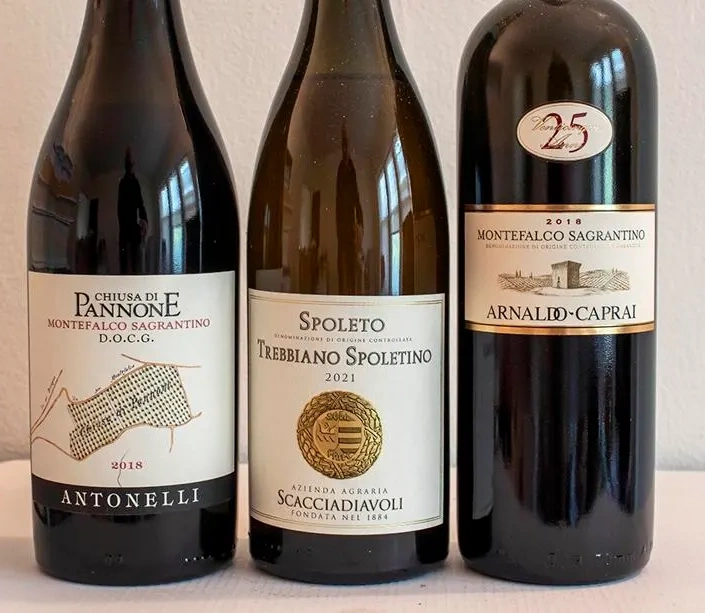
Umbria produces internationally recognised wines:
Sagrantino di Montefalco DOCG
One of Italy’s most powerful red wines, with extremely high tannins and long aging potential.
Montefalco Rosso DOC
A blend with Sangiovese — elegant and versatile.
Trebbiano Spoletino
An indigenous Umbrian white grape with citrus, floral notes, and strong minerality — increasingly popular with wine lovers.
Orvieto Classico
One of Italy’s historically most famous white wines.
Wine tourism is booming, with tastings, vineyard tours, and harvest participation.
Quiet Tourism and Slow Travel (with Official Data)
Umbria is gaining international attention precisely because it offers slow tourism, safety, nature, and an alternative to crowded Italian regions.
The latest official tourism data confirm this trend:
- 389,572 arrivals and 980,492 presences in the 1st trimester 2025, showing a +8% growth in nights spent compared to 2024
- Foreign tourists increased by +24.4% in arrivals and +32.6% in presences compared to 2024
This shows a clear pattern: foreign travellers are discovering Umbria more than ever.
Destinations with high arrivals include:
- Perugia: 1,058,879 presences
- Assisi: 1,165,788 presences
- Spoleto: 342,188 presences
- Foligno, Gubbio, Todi, Orvieto
For travellers, this confirms something simple: Umbria is still uncrowded, but increasingly appreciated — a perfect moment to visit before it becomes mainstream.
Truffles, Local Cuisine & Artisanal Food
mbria’s cuisine is famous for being simple, earthy, and deeply tied to nature. It is especially known for:
Black Truffles (Norcia, Spoleto, Valnerina)
Norcia is Italy’s black-truffle capital.
Prosciutto di Norcia IGP
Cured at high altitude, delicate and intensely flavourful.
Lentils of Castelluccio IGP
Cultivated on high mountain plains.
Pecorino cheeses, wild mushrooms, forest herbs, fresh pasta, wild boar dishes, olive-oil–based cooking.
For food lovers, Umbria is paradise.
Festivals: Culture, Music, and Medieval Traditions
Umbria hosts internationally renowned events:
- Festival dei Due Mondi (Spoleto) — opera, theatre, dance, classical music
- Umbria Jazz (Perugia) — one of the world’s top jazz festivals
- Eurochocolate (Perugia)
- Giostra della Quintana (Foligno) — historic jousting
- Infiorata di Spello — flower carpets
- Feast of St. Francis
- Sagre (local food festivals) in nearly every village
These festivals attract both locals and foreigners — and are often less commercial and more authentic than Tuscan equivalents.
Handicrafts: Ceramics, Textiles, and Woodwork
Umbria is widely known for its high-quality artisan craftsmanship, a tradition that has survived intact from the Middle Ages to today. Travellers who visit the region quickly notice how much local identity is expressed through handmade objects, natural materials, and traditional decorative arts.
The region’s most famous artisanal traditions include:
- Deruta ceramics — globally renowned since medieval times for their hand-painted majolica, unique colours, and refined patterns.
- Majolica from Gubbio and Orvieto — rich in historical motifs, metallic lusters, and Renaissance designs.
- Montefalco textiles — natural fabrics and traditional weavings produced using old looms and centuries-old techniques.
- Woodworking, olive-wood crafts, and ironwork — typical of mountain villages and Umbrian valleys.
Travellers love bringing home authentic Umbrian-made souvenirs, as they are original, handcrafted, and made to last — not mass-produced or industrial.
At Adagio Umbro, we proudly support these traditions.
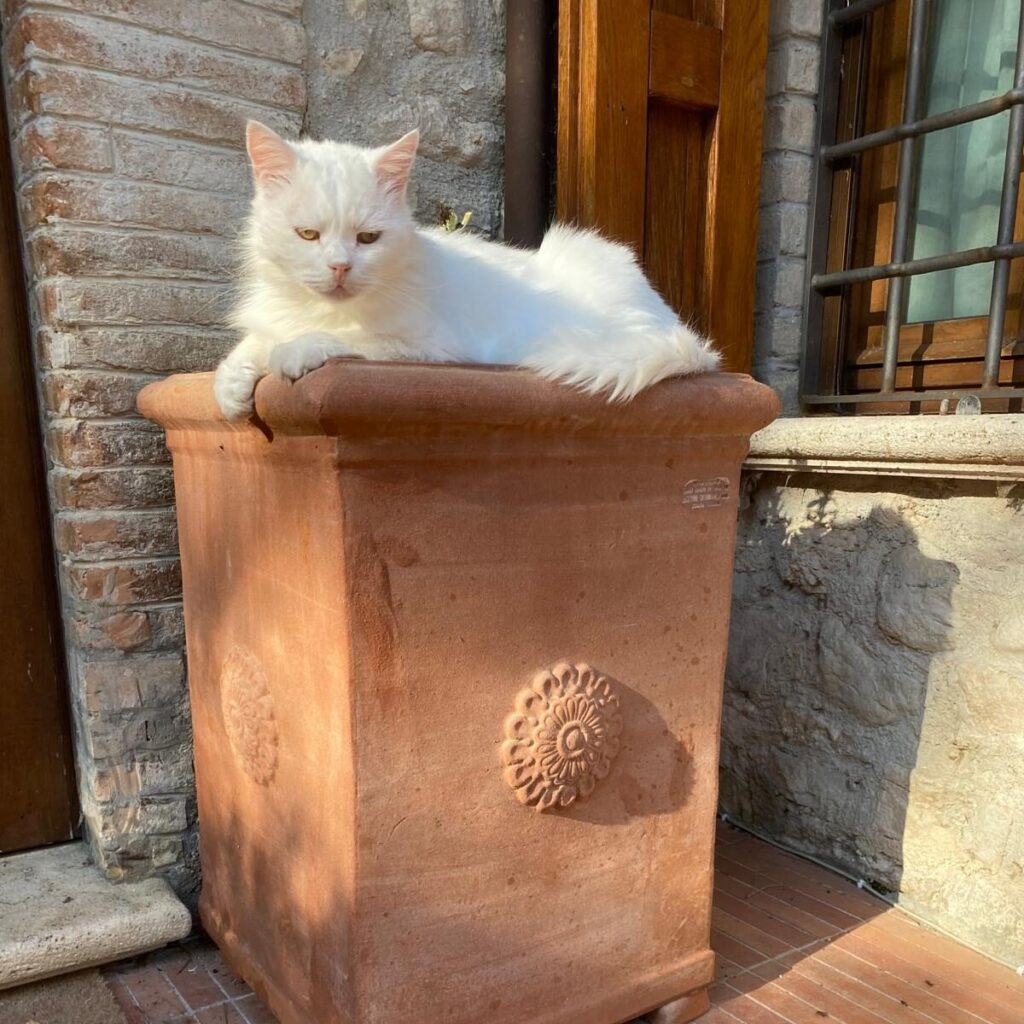
Our outdoor ambience is decorated with handmade Deruta ceramic pots, chosen for their beauty, craftsmanship, and connection to the local culture.
Inside our spaces, we use natural fabrics woven in Umbria, celebrating regional textile heritage and adding warmth and authenticity to every corner.
These details are not just aesthetic choices — they reflect Umbria’s identity: a region where craftsmanship, nature, and tradition come together in everyday life.
Outdoor Sports: Hiking, Cycling, Rafting, and Lakes
Travellers who enjoy active experiences choose Umbria for:
- Lago Trasimeno — swimming, sailing, kayaking
- Valnerina — rafting and canyoning
- Monte Cucco — paragliding
- Sibillini Mountains — hiking
- Cycling routes, including Spoleto–Norcia greenway
The region’s geography — mountains, valleys, rivers — makes it ideal for outdoor enthusiasts.

A Safe, Intimate, and Affordable Alternative to Tuscany
Many travellers choose Umbria because:
- It’s less crowded
- It’s more affordable
- It offers authenticity and silence
- Hotels, B&Bs, and agriturismi are smaller and family-run
- Food and wine quality is extremely high
- Landscapes resemble Tuscany — only wilder and greener
According to official data, Umbria offers 106,912 beds across 7,817 structures, with strong growth in non hotel (B&Bs, holiday homes, country houses). This confirms Umbria’s identity: a region of boutique, intimate hospitality rather than large resorts.
For visitors planning their stay, Umbria also offers a wide variety of accommodation facilities, from boutique hotels to country houses and agriturismi. The region is especially appreciated for its small-scale, family-run B&Bs, historic villas, and nature-immersed guesthouses — a hospitality style that prioritises peace, comfort, and personal attention rather than mass tourism. Travellers who prefer intimate stays often choose Bed and Breakfasts, where the atmosphere is slower, more authentic, and closely connected to local culture.
Umbria’s accommodation landscape includes B&Bs, affittacamere, country houses, agriturismi, holiday homes, and apartments, each regulated with specific regional standards and offering different levels of privacy and services. This diversity allows travellers to select the style that best suits their needs — from independent apartments to fully serviced rural hospitality.
Thanks to this structure, Umbria has become a destination where visitors can enjoy cleaner air, quiet green surroundings, and high-quality stays at competitive prices, far from overcrowded tourist centres. With 7,817 registered facilities and 106,912 beds available, and a growing number of non-hotel accommodations such as B&Bs, country houses, and holiday rentals, the region is evolving into Italy’s reference point for boutique and nature-based hospitality.
Whether guests are looking for panoramic villas, countryside farm stays, or women-focused B&B experiences like Adagio Umbro, Umbria offers an accommodation style that aligns perfectly with the region’s identity: authentic, calm, nature-oriented, and ideal for slow travel.
Why Travellers Fall in Love with Umbria
Visitors consistently highlight:
- Quiet beauty and green landscapes
- Authentic small towns
- High-quality olive oil and wine
- Friendly, unpretentious atmosphere
- Safety and tranquillity
- High value for money
- Perfect central location (1.5 hours from Rome / 2 from Florence)
For women travellers, solo travellers, couples, and groups of friends, Umbria feels welcoming and secure — offering nature, culture, food, and relaxation in a calm setting.
Conclusion: Umbria Is Italy’s Best-Kept Secret — But Not for Long
Umbria is known for its ancient forests, silver olive groves, medieval hill towns, spiritual sanctuaries, world-class wines, truffles, and a style of green, peaceful living that is becoming increasingly rare in Italy. It offers the charm of Tuscany without the crowds, the purity of mountain landscapes without over-tourism, and a cultural heritage that feels intimate, lived-in, and authentic.
Official tourism data confirm what travellers have begun to realise: Umbria is rising.
In the first trimester of 2025, the region recorded a +24.4% increase in foreign arrivals and +32.6% in foreign overnight stays, a clear sign that international visitors are discovering its value and choosing it over more saturated destinations. This growth reflects a renewed interest in uncrowded regions, nature-based experiences, boutique accommodations, and authentic Italian traditions — all areas where Umbria excels.
With its combination of nature, culture, gastronomy, and local craftsmanship, Umbria offers travellers a rare opportunity to experience Italy at its most genuine. Whether you come for the food, the medieval villages, the peaceful countryside, or the spiritual atmosphere, this region delivers an Italy that still feels untouched.
This is the perfect moment to explore Umbria — before it becomes the next major international destination.
🌿 FAQs about Umbria
Umbria is known as the “Green Heart of Italy” because over 30% of its territory is covered by forests, mountains, and protected natural parks. It is the only region in central Italy without a coastline, making its landscapes exceptionally green, peaceful, and preserved.
Umbria is famous for its medieval towns, olive oil, wine, truffles, forests, basilicas, artisan crafts, quiet landscapes, and slow travel experiences. It offers an authentic alternative to crowded Italian regions like Tuscany.
Yes. Umbria is significantly less crowded and more affordable, while offering similar landscapes—rolling hills, olive groves, wineries, and medieval villages. This makes it ideal for travellers seeking tranquillity and authenticity.
The must-visit destinations include Spoleto, Assisi, Perugia, Orvieto, Gubbio, Montefalco, Spello, Trevi, Todi, and Norcia. Each offers unique history, architecture, food, and panoramic views.
Umbria is known for black truffles, Prosciutto di Norcia IGP, extra virgin olive oil DOP, Pecorino cheeses, lentils of Castelluccio, wild boar dishes, and handmade pastas. The cuisine is simple, traditional, and deeply tied to local farms.
The most iconic Umbrian wines are Sagrantino di Montefalco DOCG, Montefalco Rosso, Trebbiano Spoletino, and Orvieto Classico. The region has a strong winemaking tradition and excellent vineyard tours.
The best months are April–June and September–October, when the weather is mild, landscapes are green, and cultural events are in full swing. Winter is also beautiful for Christmas events and quiet travel.
Yes. Umbria is one of Italy’s top destinations for slow travel thanks to its peaceful countryside, small family-run accommodations, nature trails, vineyards, olive groves, and authentic towns untouched by mass tourism.
Popular artisan items include Deruta ceramics, Montefalco textiles, Gubbio and Orvieto majolica, olive-wood crafts, ironwork, and high-quality natural fabrics. Many shops sell handmade, non-industrial pieces perfect as souvenirs.
Official data shows foreign arrivals grew by +24.4% in early 2025. Visitors are choosing Umbria for its authenticity, quiet nature, cultural heritage, and excellent food and wine — qualities increasingly difficult to find elsewhere in Italy.
Yes. Umbria is considered one of the safest and calmest regions in Italy. Its towns are small, welcoming, and community-oriented, making it a popular destination for solo female travellers and wellness-focused stays.
Umbria is known for its small B&Bs, agriturismi, country houses, villas, and family-run guesthouses. These intimate stays offer a more personal, authentic experience than large hotels or resorts.
Tuscany vs Umbria: Why You Should Add Spoleto to Your Italy Itinerary. Read more →
Stay Connected
For more updates, photos, and stories from Adagio Umbro, follow us on our social media channels: